
Loading

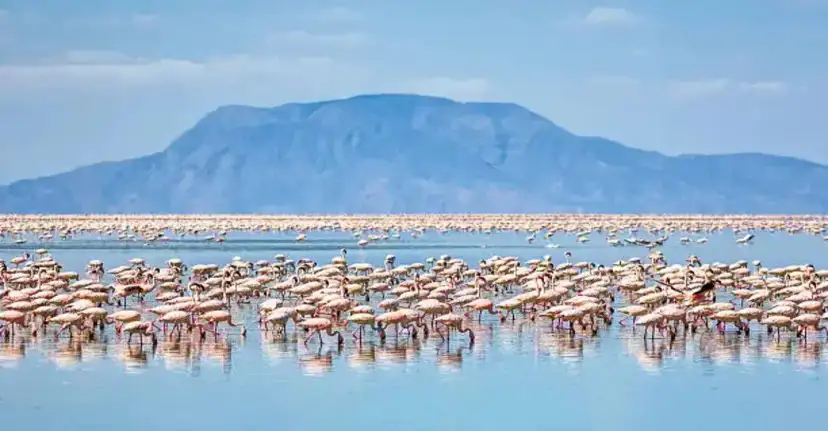
Lake Natron is one of northern Tanzania’s most extraordinary natural destinations, where a shallow alkaline lake meets volcanic mountains, dramatic escarpments and expansive semi-arid landscapes. Situated in the Great Rift Valley near the Kenyan border, the lake is internationally important as a breeding site for the lesser flamingo and forms part of a fragile wetland ecosystem recognized under the Ramsar Convention. Its distinctive scenery and ecological importance make it an exceptional addition to a northern Tanzania itinerary.
A Lake Natron safari in Tanzania offers a different experience from traditional wildlife destinations such as Serengeti National Park. Here, the journey centres on the changing colours of the lake, flamingos when present, the towering profile of Ol Doinyo Lengai, walks through the Engaresero gorge and opportunities to learn about Maasai culture through appropriately arranged local experiences.
The lake’s appearance changes with rainfall, water levels and the concentration of minerals and microorganisms. Depending on conditions, visitors may see shallow reflective water, exposed salt flats, pale mineral crusts or reddish and pinkish tones across parts of the lake. These colours are natural and variable, so no particular appearance should be guaranteed.
Watoto Wa Bingwa Safaris & Tours is a locally based Tanzania safari company operating since 2015. We help travellers explore beyond the familiar safari circuit with carefully planned journeys that combine natural attractions, cultural learning and practical travel arrangements.
Lake Natron is a shallow soda lake in the Gregory Rift, part of the East African Rift Valley system. Its water comes from seasonal rivers, streams, springs and rainfall, while evaporation concentrates dissolved minerals in the basin.
The resulting environment can be highly alkaline, with conditions that are unsuitable for many familiar aquatic organisms. However, specialised microorganisms and algae thrive in the lake, forming the foundation of an unusual ecological system.
Some of these microorganisms provide food for lesser flamingos, which are specially adapted to filter-feed in saline and alkaline environments. The lake’s combination of water chemistry, food resources and relatively protected nesting areas helps explain its international conservation significance.
The water level and salinity vary with weather and inflows. This means the lake should not be described as having a single permanent colour or a fixed shoreline. Its changing appearance is part of what makes the landscape so interesting to photographers and nature enthusiasts.
Lake Natron is also an important reminder that apparently harsh environments can support highly specialised life. The ecological relationship between water chemistry, microscopic organisms and flamingos makes this destination valuable not only for tourism but also for conservation and scientific research.
Lake Natron is widely recognized as the most important breeding site for lesser flamingos and the only regular breeding area for the species in East Africa. The lake supports a substantial proportion of the global population, making its protection important well beyond Tanzania.
Lesser flamingos feed on microscopic organisms, including blue-green algae, found in suitable alkaline lakes. At Lake Natron, the chemistry of the water supports specialised food resources, while the lake’s remote nesting areas can provide protection from many terrestrial predators.
When conditions are suitable for breeding, flamingos may gather in large concentrations. Their pink plumage, feeding behaviour and movements across the water can create remarkable photographic opportunities.
However, flamingo numbers and breeding activity vary. Rainfall, water levels, food availability and other ecological conditions influence whether large concentrations are present at a particular time.
Birdwatching is best undertaken with an experienced local guide who understands suitable viewing locations and current conditions. Binoculars and a camera with a useful telephoto range can help visitors observe birds without approaching them unnecessarily.
Visitors should remain at authorized viewing locations, avoid disturbing nesting areas and follow guidance about distances from birds. Breeding colonies are particularly sensitive, and responsible viewing is more important than obtaining a close photograph.
Lake Natron is not simply a place to see flamingos; it is a place to understand the ecological conditions that allow them to reproduce. That perspective makes the experience more meaningful for travellers interested in conservation and natural history.
Rising above the surrounding Rift Valley landscape, Ol Doinyo Lengai is one of Tanzania’s most distinctive volcanoes. Its name is commonly translated from Maa as “Mountain of God,” reflecting its significance in Maasai cultural and spiritual traditions.
The mountain is notable to geologists because it produces natrocarbonatite lava, an unusual type of volcanic lava with a composition different from the more familiar basaltic lava found at many volcanoes. Its dark volcanic slopes and steep profile contrast dramatically with the pale lake basin below.
Climbing Ol Doinyo Lengai is a demanding activity that requires careful planning. The ascent is steep, the terrain can be loose or uneven, and conditions may be hot at lower elevations and cooler or windy higher up.
Some climbs are arranged overnight to reach the summit around sunrise. This can provide memorable views across the Rift Valley, Lake Natron and the surrounding volcanic landscape when weather conditions allow.
The climb is not suitable for every traveller. Fitness, footwear, hydration, guiding arrangements, volcanic activity and current safety advice should all be considered before booking.
Because Ol Doinyo Lengai is an active volcano, access must be based on current local guidance. Travellers should never assume that a climb is available or safe simply because it appears in a standard itinerary.
The Engaresero area offers a striking contrast to the dry plains surrounding Lake Natron. Here, water flows through a steep-sided gorge, creating waterfalls, natural pools and pockets of vegetation in an otherwise arid landscape.
The hike to Engaresero Waterfall follows the river through rocky terrain and may involve crossing shallow water. The route provides an opportunity to observe how permanent or seasonal freshwater supports plants and wildlife in the dry environment.
The Ngorongoro-Lengai Geopark describes the waterfall route as involving river crossings, making sturdy footwear suitable for wet conditions important.
A guided walk may include:
Following the river through the gorge.
Observing rock formations and the surrounding volcanic landscape.
Enjoying the contrast between the dry plains and the greener river corridor.
Reaching waterfall areas where conditions and local rules permit.
Swimming in suitable designated or locally approved areas, if safe and permitted.
Water flow and access may change with rainfall. The hike can be physically demanding in hot weather, so an early start, adequate drinking water and guidance from a local professional are important.
Visitors should also respect local water use and avoid leaving rubbish in the gorge.
Lake Natron is part of a broader landscape shaped by tectonic movement, volcanism, erosion and seasonal water flow.
Gregory Rift escarpments: Steep slopes and elevated viewpoints reveal the geological structure of the Rift Valley and the vast basin below.
Gelai Mountain: This volcanic mountain lies southeast of the lake and contributes to the dramatic regional skyline.
Engaruka archaeological site: The wider route toward Lake Natron includes the remains of an ancient settlement and agricultural system associated with historic irrigation and stone-built structures.
Engaresero human footprints: The Ngorongoro-Lengai Geopark route includes a site where preserved human footprints have been documented in volcanic material, adding archaeological interest to the journey.
Mineral flats and seasonal lake margins: These areas reveal the effects of evaporation and changing water levels, though access should follow local guidance to avoid sensitive habitats and unsafe ground.
These attractions make the journey to Lake Natron as important as the destination itself. A well-planned route can combine scenery, geology, archaeology and local interpretation rather than treating the area as a brief photo stop.
Maasai communities live across the wider Lake Natron region, where pastoral livelihoods, livestock and knowledge of the local environment remain important parts of community life.
Where community members welcome visitors and experiences are appropriately arranged, travellers may learn about livestock keeping, traditional housing, local crafts, food, music or aspects of daily life. The activities available depend on the participating community and should be confirmed before travel.
A respectful cultural visit should not reduce Maasai culture to clothing, dances or photographs. Communities are diverse, and their lives continue to change in response to education, trade, environmental conditions and other contemporary influences.
At Watoto Wa Bingwa Safaris & Tours, we encourage visitors to approach cultural experiences with curiosity and respect.
Ask permission before photographing individuals or homes.
Follow the guidance of your local host and guide.
Purchase crafts through fair and transparent arrangements where available.
Respect privacy and avoid entering homes or community spaces without invitation.
Ask questions thoughtfully and avoid assuming that one encounter represents every Maasai community.
These principles help create a more genuine experience for travellers while respecting the people who choose to participate.
Birdwatching is one of the area’s most important attractions. Depending on water levels and season, visitors may look for lesser flamingos, other waterbirds and species associated with the surrounding plains.
A local guide can help identify suitable viewing areas while reducing disturbance to sensitive habitats.
For fit and experienced travellers, a guided climb offers a demanding adventure and the possibility of sunrise views over the Rift Valley. The activity should be booked only after checking current safety guidance and conditions.
This hike combines physical activity with an opportunity to experience a freshwater gorge and its vegetation. Suitable footwear, drinking water and a local guide are essential.
Lake Natron offers striking contrasts between salt flats, volcanic mountains, escarpments and seasonal water. Early morning and late afternoon often provide more comfortable conditions and attractive light, though the best views depend on weather and visibility.
The wider route includes volcanic features, escarpments and archaeological sites. Travellers interested in geology or human history can benefit from a knowledgeable guide who explains the significance of these places.
Where available, visits with local Maasai community members can add cultural context to a trip focused on the landscape. These should be arranged in advance with appropriate local participation.
Lake Natron can be visited in different seasons, but heat, rainfall and the condition of the lake affect the experience.
These months are often appealing for walking and exploring the surrounding landscape because daytime conditions may be more manageable than during the hottest periods. The lake may be contracted, and flamingo numbers depend on ecological conditions rather than the calendar alone.
Conditions can be hot and dry, while seasonal changes may influence bird movements and lake levels. This period can suit travellers interested in landscapes and hiking, provided they plan around heat and current access advice.
Rainfall can change the size and appearance of the lake, refresh vegetation and affect bird habitats. However, rain may also make rural roads more difficult and alter access to some activities.
Flamingo breeding is irregular and depends on suitable environmental conditions. Travellers should not book specific dates on the assumption that breeding colonies or large flocks will definitely be present.
Our advice: For a walking-focused trip, prioritize comfortable temperatures and reliable road access. For flamingo photography, ask about recent sightings and lake conditions shortly before departure.
Lake Natron is commonly reached by road from Arusha or as part of a northern Tanzania itinerary.
From Arusha: The journey generally takes several hours and may require much of a day, depending on the route, stops, weather and road conditions.
From Mto wa Mbu and Karatu: Travellers exploring Lake Manyara or Ngorongoro can consider an onward route toward Lake Natron, depending on the itinerary and current road conditions.
From Ngorongoro Conservation Area: Lake Natron can be combined with selected northern circuit experiences, but the route and transfer arrangements need to be checked carefully.
The final section of the journey may involve rough or remote roads. A suitable 4×4 vehicle and a driver familiar with local conditions are recommended. Travel times should be treated as estimates, not guarantees, especially during the rainy season.
Before departure, confirm the intended route, fuel and water arrangements, accommodation location and any local access requirements. Remote travel is more comfortable when logistics are planned in advance.
The ideal stay depends on whether you want a short visit or a more active itinerary.
One night and two days: Can provide time for a lake visit, a guided walk or waterfall excursion, and a cultural experience where arranged.
Two nights and three days: Allows more flexibility for birdwatching, photography and exploring the surrounding landscape without rushing.
Three nights or longer: May suit travellers planning an Ol Doinyo Lengai climb, subject to current access and safety arrangements, or those who want to explore the area at a slower pace.
If you plan to climb the volcano, do not rely on a tightly packed schedule. Allow time for the climb, rest, weather changes and any operational guidance.
Accommodation options in the Lake Natron area include campsites, tented camps, lodges and guesthouses, with facilities varying by property.
The most suitable choice depends on your travel style and planned activities. Travellers arranging an early start for Ol Doinyo Lengai should consider transfer time to the meeting point, while those focusing on the waterfall or lake may prefer a property with convenient access to the relevant local guides.
Before booking, confirm the level of comfort, meals, drinking-water arrangements, transport, included activities and any additional charges. Remote locations may have more limited services than established safari hubs, so it is important to understand exactly what is provided.
Lake Natron is especially suited to:
Birdwatchers interested in lesser flamingos and specialised wetland ecology.
Adventure travellers considering a guided Ol Doinyo Lengai climb.
Hikers and nature enthusiasts who enjoy waterfalls, escarpments and volcanic landscapes.
Photographers looking for unusual scenery and changing colours.
Geology and archaeology enthusiasts interested in Rift Valley features and historical sites.
Culturally curious travellers seeking respectful, community-arranged Maasai experiences.
Returning visitors to Tanzania who want to explore beyond the classic northern safari route.
The destination is less suitable for travellers seeking an easy resort holiday or guaranteed large-mammal sightings. Its heat, remote roads and activity-specific demands make practical planning particularly important.
Lake Natron can form part of a varied northern Tanzania itinerary.
Lake Manyara National Park: Combine the lake’s unusual alkaline ecology with forest habitats, wildlife and birdwatching in a national park.
Ngorongoro Conservation Area: Explore volcanic highlands, wildlife landscapes and archaeological heritage.
Serengeti National Park: Add classic game drives and the opportunity to explore a vast wildlife ecosystem.
Tarangire National Park: Experience baobab landscapes, elephants and seasonal river habitats.
Mto wa Mbu: Include a stop in this lively area for local food and cultural experiences, depending on your route.
These destinations cover substantial distances and should not be combined without checking driving times and road conditions. A thoughtful itinerary allows Lake Natron to remain a meaningful part of the trip rather than a hurried transfer stop.
Lake Natron offers a rare combination of internationally important flamingo habitat, active volcanic landscapes, waterfall hikes and opportunities to learn about local culture. Its remoteness is part of its appeal, but it also means that transport, accommodation and activity arrangements deserve careful attention.
Watoto Wa Bingwa Safaris & Tours is a locally based Tanzania safari company operating since 2015. We help travellers plan private and tailor-made journeys that reflect their interests, available time and budget. Whether you want to focus on birdwatching, landscapes, cultural learning or an adventure around Ol Doinyo Lengai, we can help you explore suitable options.
Contact Watoto Wa Bingwa Safaris & Tours to plan your Lake Natron safari. Share your travel dates, group size and preferred activities, and we can help you build a practical itinerary that fits your plans.
Flamingo activity, lake colour, water levels, road conditions and hiking access vary with environmental and local conditions. Ol Doinyo Lengai is an active volcano; any climb must follow current safety advice and local guidance.

watotowabingwasafaris.com
Install Progressive Web Application
This site has app functionality. Install it on your device for extensive experience and easy access.