
Loading

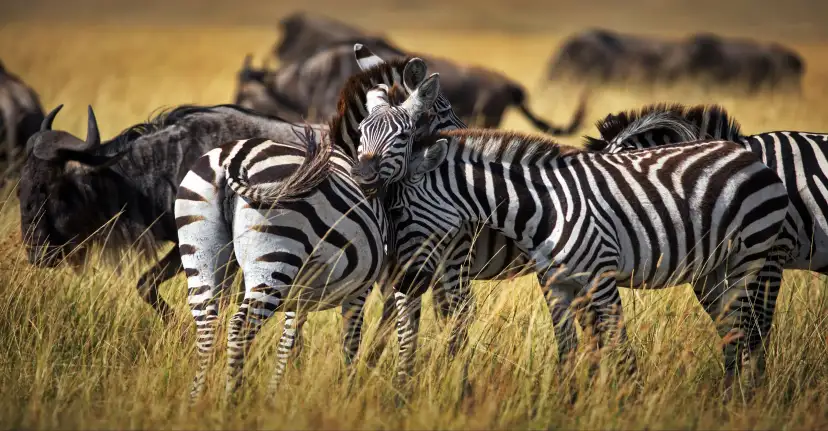
A Tanzania safari becomes especially memorable when the journey slows down and the wilderness begins to reveal its quieter details. In Tarangire National Park, the silhouettes of ancient baobab trees rise above golden grasslands, family groups of elephants move through the savanna, and the winding Tarangire River provides a vital source of water during the dry season. This is a landscape where wildlife encounters feel closely connected to the rhythm of nature.
Covering approximately 2,850 square kilometres, Tarangire National Park is one of northern Tanzania’s most distinctive wildlife destinations. Its scenery combines open plains, acacia woodlands, riverine vegetation, rolling hills, and seasonal wetlands. The park forms part of a wider ecosystem that extends beyond its boundaries, allowing wildlife to move between feeding areas and water sources as the seasons change.
At Watoto Wa Bingwa Safaris & Tours, we help travelers experience this remarkable landscape through thoughtfully planned Tanzania safaris, informed by our local knowledge and our company’s experience operating since 2015. Whether you are planning your first African safari, photographing wildlife, or adding a rewarding stop to a longer northern Tanzania adventure, Tarangire offers a compelling reason to explore beyond the familiar.
Tarangire is widely celebrated for its elephants. During the dry season, elephant families and larger herds frequently gather around the Tarangire River and other dependable water sources. Watching these animals interact naturally—young calves staying close to their mothers, adults feeding, and family groups crossing the plains—can become one of the defining moments of a safari.
Elephants can also be encountered outside the peak dry season, although their distribution changes with rainfall, water availability, and vegetation. Wildlife sightings are never guaranteed, which is why time in the park and a flexible game-drive plan can make a difference.
Tarangire’s baobab trees give the park a character that differs from many other destinations on Tanzania’s northern safari circuit. Their enormous trunks and sculptural branches stand above the grasslands, creating striking photographic scenes in both the soft light of morning and the warmer colours of late afternoon.
These trees are more than scenic landmarks. They form part of the wider savanna ecosystem, while the surrounding acacia woodland, grassland, and riverine habitats support different kinds of wildlife. The result is a safari landscape that rewards travelers who appreciate both animal encounters and the beauty of the natural environment.
The Tarangire River is central to the park’s seasonal wildlife story. As surrounding areas become drier, animals increasingly depend on the water and vegetation available within the park. This seasonal concentration can create excellent opportunities to observe elephants, buffalo, zebras, antelopes, and predators.
The Silale Swamp area is another important habitat, particularly for wildlife and birdlife associated with wetlands. Water levels and animal distribution vary through the year, so the most productive areas for game viewing can change between visits.
Although elephants are Tarangire’s signature attraction, the park supports a much wider range of wildlife. Visitors may encounter lions, leopards, spotted hyenas, giraffes, zebras, wildebeest, buffalo, impalas, and other antelope species. Sightings depend on season, habitat, and the movement of animals through the park.
Tarangire is also an excellent destination for birdwatching, with a rich variety of savanna, woodland, and wetland species. Ostriches, kori bustards, raptors, bee-eaters, hornbills, and colourful lovebirds are among the birds that keen observers may look for. For travelers who enjoy photography, the combination of birdlife, baobabs, and open landscapes offers plenty to appreciate between major wildlife sightings.
Tarangire can be visited throughout the year, but the best time depends on the kind of experience you want.
June to October — The main dry season
These months are generally the strongest choice for travelers prioritising concentrated wildlife viewing. As water becomes less available in surrounding areas, elephants and other animals often gather near the river and wetlands. Vegetation is usually less dense, which can make animals easier to spot. July to October is particularly popular, so accommodation should be arranged early.
November to December — The short rains
The landscape begins to green, and changing conditions influence where wildlife feeds and moves. This period can appeal to travelers who prefer fresher scenery and a different atmosphere from the peak dry season. Rainfall timing varies from year to year.
January to February — A potentially rewarding green period
These months can offer attractive scenery and interesting birdwatching. Wildlife remains present, but animals may be more dispersed than during the main dry season. The experience depends on rainfall and local conditions.
March to May — The long-rain period
The park becomes greener, but heavier rainfall can affect road conditions and access to some areas. Travelers considering these months should discuss current conditions and suitable accommodation with their safari planner.
For a first-time visitor whose main priority is seeing elephants and a broad range of wildlife, we generally recommend considering June to October. Travelers with more flexible interests may enjoy other seasons as well.
Game drives are the principal way to explore Tarangire. With a knowledgeable safari guide, travelers can look for elephants, predators, plains wildlife, and birds while learning how animals use the different habitats. Morning and afternoon drives offer changing light and wildlife activity, although the experience depends on the day’s conditions.
Tarangire is especially appealing to photographers who want more than close-up animal portraits. Baobabs, dusty tracks, riverbanks, open plains, and dramatic skies can provide a strong sense of place in photographs. The best opportunities depend on light, weather, animal behaviour, and respectful positioning.
Where available and authorised, guided walks offer a different perspective on the bush. Rather than focusing only on large mammals, travelers can learn about tracks, plants, insects, birds, and smaller details that are easy to miss from a vehicle. Walking activities must follow park regulations and be accompanied by authorised personnel.
Travelers interested in birds can ask for additional time in habitats suited to their interests. Depending on current availability and the chosen camp or operator, other experiences such as balloon safaris or bush meals may also be possible. These are optional activities and should be confirmed before booking rather than assumed to be included in every safari package.
One day: A day trip can introduce you to the park’s landscapes and wildlife, especially if you are travelling from Arusha and have limited time. The day involves a substantial amount of driving, so an early departure is important.
Two days: An overnight stay allows more time for game drives and a less hurried experience. It can also give your guide greater flexibility to explore different areas as conditions allow.
Three days or longer: A longer stay may suit wildlife photographers, birdwatchers, families who prefer a slower pace, or travelers who want time to enjoy the surrounding landscape without rushing between destinations.
For many visitors, one or two nights in or near Tarangire provide a useful balance between wildlife viewing and the rest of a northern Tanzania itinerary.
Tarangire lies southwest of Arusha and is commonly reached by road as part of Tanzania’s northern safari circuit. The drive from Arusha generally takes around 2.5–3 hours in suitable conditions, although the exact journey depends on the starting point, gate, traffic, and road conditions.
Travelers may also arrange a charter flight to an appropriate airstrip, subject to flight schedules and their chosen camp or lodge. A road safari can be combined with other destinations in northern Tanzania, while fly-in arrangements may suit visitors with limited time or a preference for less road travel.
During wetter periods, some park roads can become more challenging. We recommend planning transfers around the season, accommodation location, and the overall itinerary rather than relying on a fixed travel time alone.
Accommodation options include public campsites, special campsites where permitted, tented camps, and lodges inside or near the park. The right choice depends on your budget, preferred comfort level, location, and travel style.
Camping: Suitable for travelers who want a closer-to-nature experience and are comfortable with simpler facilities.
Tented camps: Offer a bush atmosphere with varying levels of comfort and service.
Safari lodges: May provide additional facilities and a more traditional lodge experience.
Staying in a suitable location can reduce unnecessary driving and help you make better use of your game-drive time. Availability, amenities, and inclusions vary by property, so these details should be confirmed before booking.
Tarangire works well as part of a wider northern Tanzania journey. Depending on the length of your holiday, you may consider combining it with:
Lake Manyara National Park — known for its varied habitats, forest scenery, lake environment, and birdlife.
Ngorongoro Conservation Area — a vast conservation landscape featuring the Ngorongoro Crater, highland scenery, wildlife, and important cultural and archaeological heritage.
Serengeti National Park — renowned for its expansive plains, predators, and the seasonal movements of wildebeest and other grazing animals.
Arusha National Park — an option for travelers interested in forest landscapes, the slopes of Mount Meru, birdlife, and guided walking experiences.
Lake Eyasi — a different kind of journey, where carefully arranged, respectful cultural visits can complement a wildlife-focused itinerary.
The best combination depends on your travel dates, available days, budget, and interests. Our team can help you choose a practical route without trying to fit too many destinations into a short holiday.
Tarangire is particularly suitable for travelers who love elephants, enjoy varied savanna landscapes, and want a rewarding wildlife experience within northern Tanzania. It can appeal to couples, families, photographers, birdwatchers, and first-time safari visitors. Travelers who enjoy quieter observation may especially appreciate spending time near the river and watching wildlife behaviour rather than rushing between sightings.
The park is also a strong option for people planning a private Tanzania safari that combines different environments. However, if your main objective is a particular animal sighting or a specific seasonal wildlife event, your itinerary should be designed around realistic expectations and the conditions during your travel dates.
Tarangire is not simply a stop to tick off a list. It is a place to watch the landscape change with the seasons, appreciate the scale of an elephant family, and discover how wildlife depends on the river, wetlands, and surrounding savanna.
Watoto Wa Bingwa Safaris & Tours is a Tanzania-based safari company operating since 2015, according to our company information. We help travelers plan private wildlife safaris, tailor-made northern Tanzania itineraries, and journeys that bring together the country’s landscapes, wildlife, and local experiences.
Tell us when you plan to travel, how many days you have, and the kind of safari you imagine. We will help you explore suitable options and build a journey around your interests, comfort preferences, and budget.
Ready to explore Tarangire National Park? Contact Watoto Wa Bingwa Safaris & Tours to start planning your Tanzania safari.

watotowabingwasafaris.com
Install Progressive Web Application
This site has app functionality. Install it on your device for extensive experience and easy access.