
- Best time
- Jun – Oct
- Area
- 8,292 km²
- Languages
- English, Swahili
- Currency
- Tanzanian Shilling (TZS),USD
About Ngorongoro Conservation Area
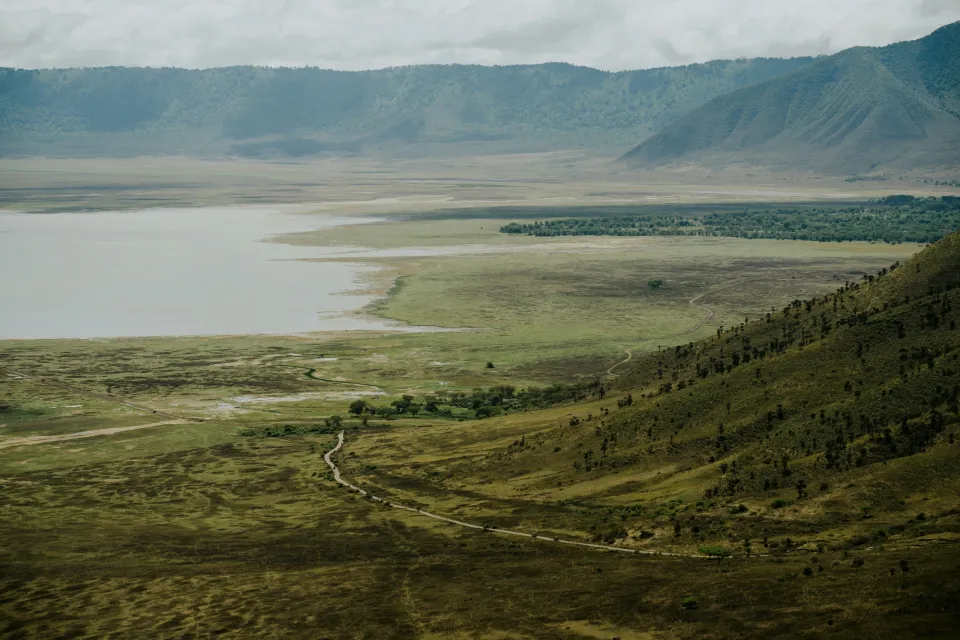
The Ngorongoro Conservation Area in northern Tanzania is an extraordinary landscape where wildlife conservation, volcanic geology, archaeological discoveries and Maasai pastoral traditions intersect. Covering approximately 8,292 square kilometres according to the Ngorongoro Conservation Area Authority, it extends far beyond the famous crater to include highland forests, open grasslands, volcanic formations, migration routes and historically important sites connected to human evolution. Its significance lies not simply in the wildlife visitors may encounter, but in the remarkable relationship between nature, human history and a landscape shaped by ancient geological forces.
With Watoto Wa Bingwa Safaris & Tours, a locally based Tanzanian travel company operating since 2015, travelers can explore this region through carefully planned private safaris, guided walks and cultural or archaeological excursions selected around their interests, available time and accommodation preferences.
- Ngorongoro Crater Floor
- Lake Magadi
- Lerai Forest
- Olduvai Gorge
- Empakaai Crater
- Ndutu
What to see and do
Discover More Than the Famous Crater
Ngorongoro Crater: The area's best-known wildlife destination is an enormous volcanic caldera with grasslands, wetlands, woodland and freshwater…
Read moreShow less
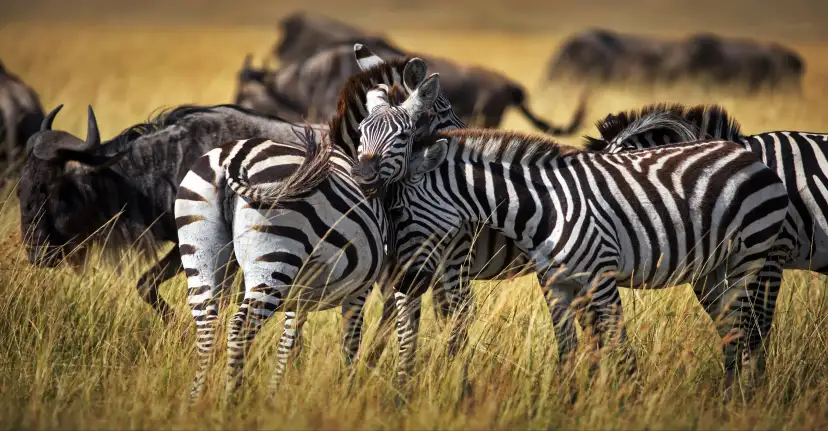
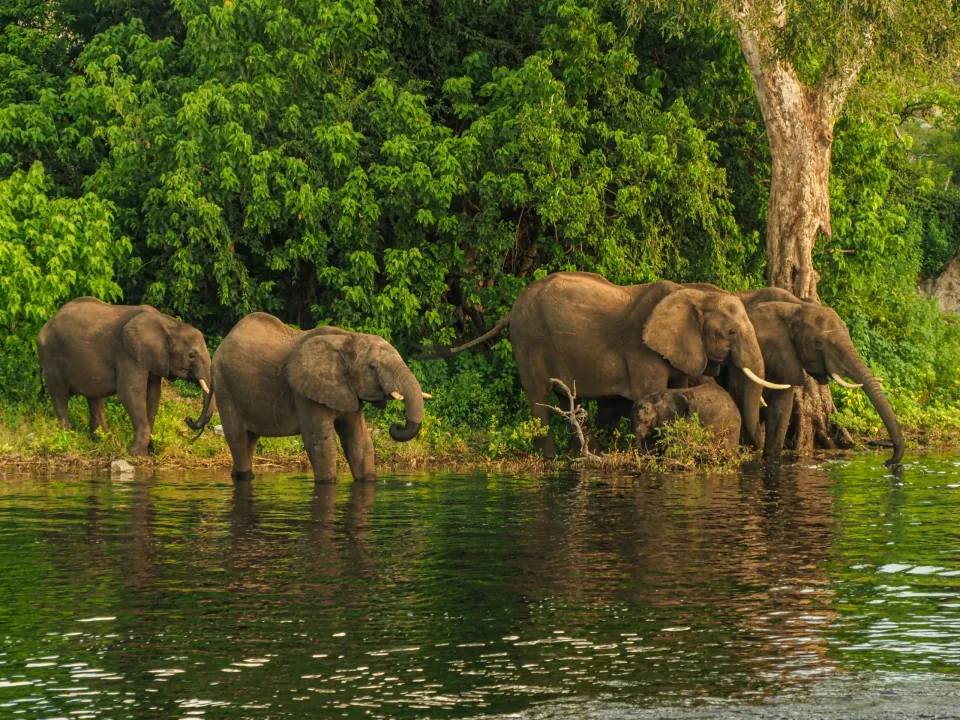
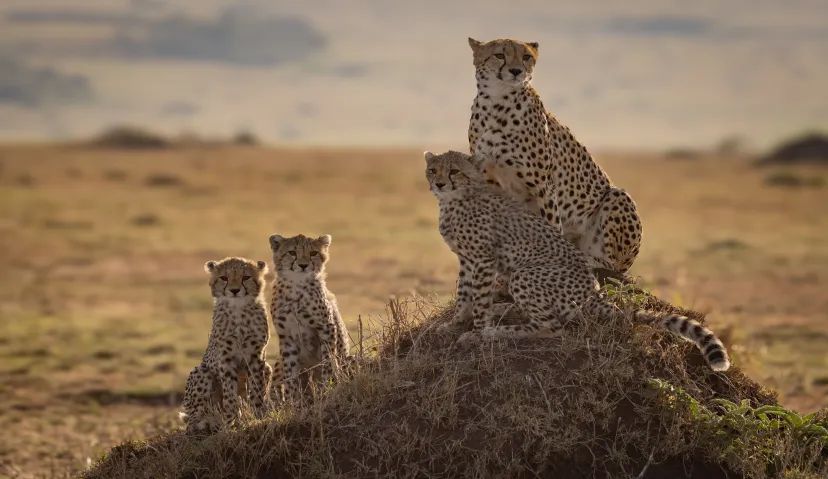
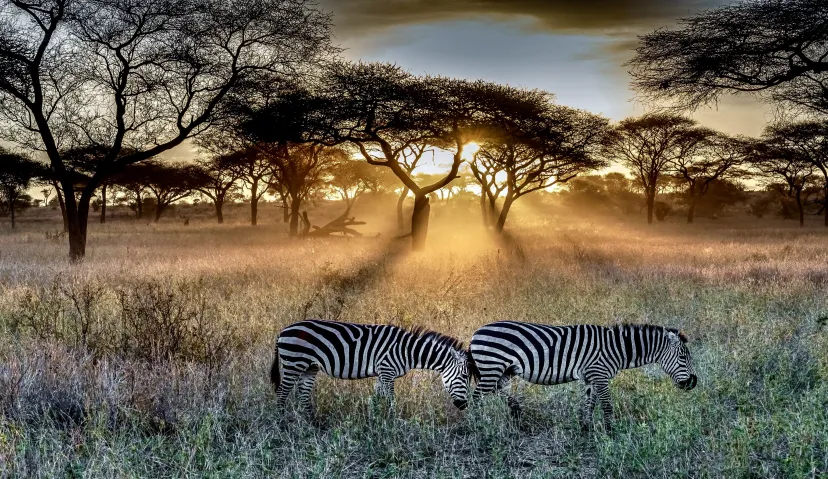
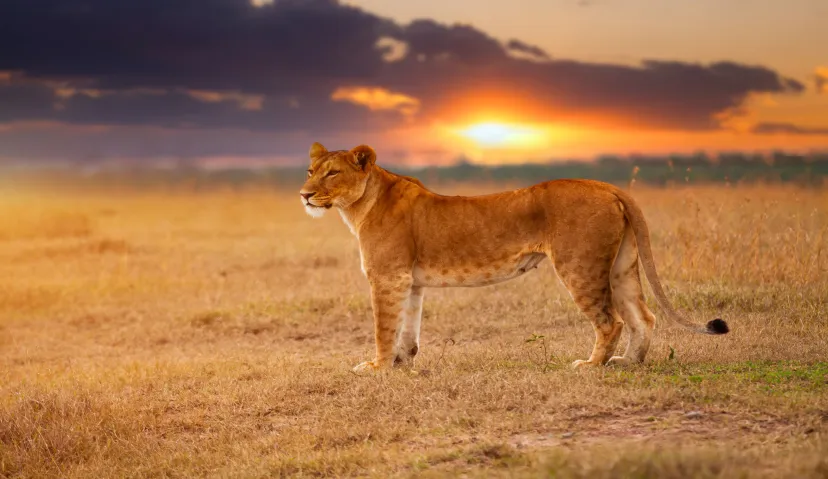
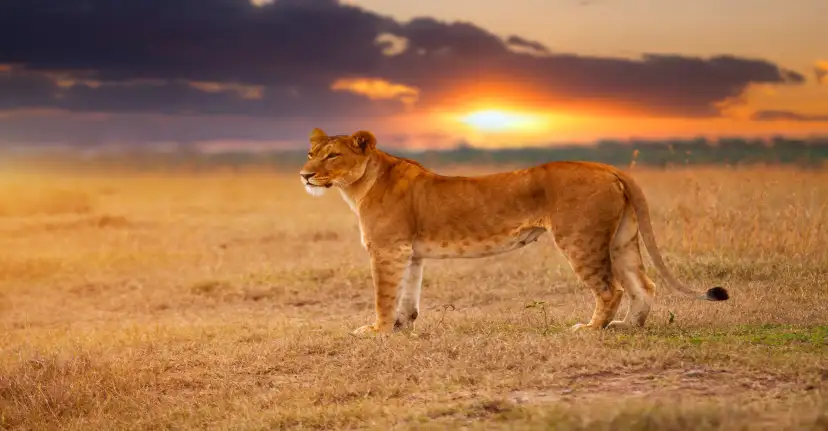
Ngorongoro Crater: The area's best-known wildlife destination is an enormous volcanic caldera with grasslands, wetlands, woodland and freshwater sources. These habitats support lions, buffaloes, elephants, spotted hyenas, hippos and numerous grazing animals. Black rhinos inhabit the wider conservation landscape, but sightings are never guaranteed. A crater game drive is an excellent introduction for first-time safari travelers.
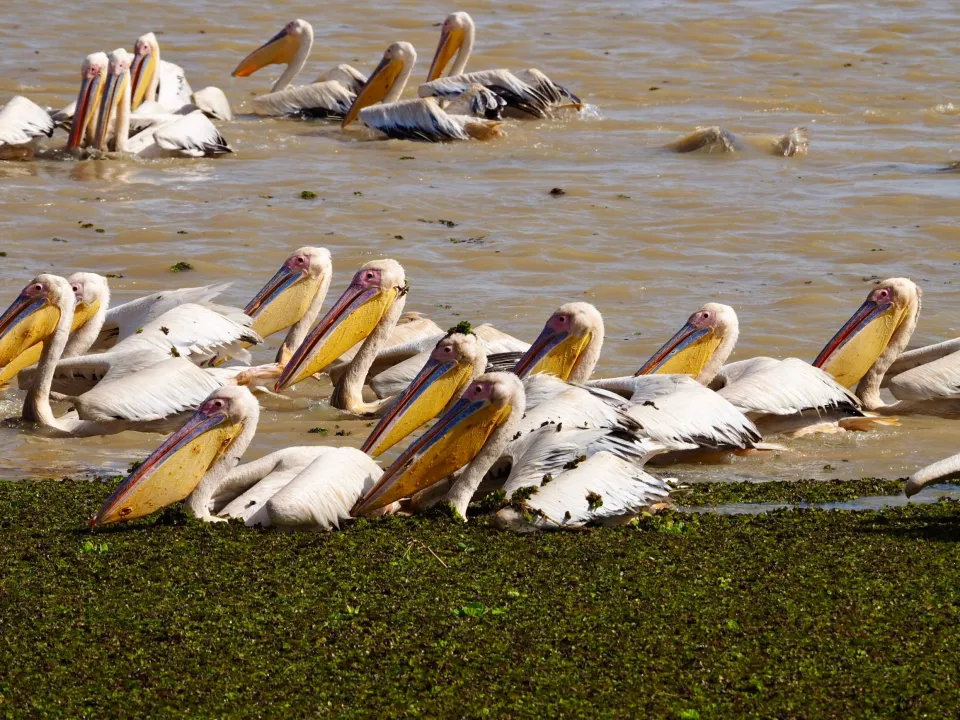
Empakaai Crater: A rewarding choice for visitors interested in scenery and walking rather than another conventional vehicle safari. The forested crater rim overlooks a crater lake that can attract flamingos. Access and walking arrangements should be confirmed in advance, and walks require the applicable guide or ranger arrangements.
Olmoti Crater and the highlands: The northern highlands reveal a quieter side of Ngorongoro, with upland grasslands, forests, volcanic terrain and opportunities for guided nature walks. These experiences suit travelers who want to understand the landscape at a slower pace.
Olduvai Gorge and the archaeological landscape: Olduvai Gorge is internationally important for discoveries concerning early human evolution. Its geological layers, archaeological findings and interpretive facilities offer a valuable experience for visitors interested in anthropology and history. Laetoli is another major heritage site associated with ancient hominin footprints.
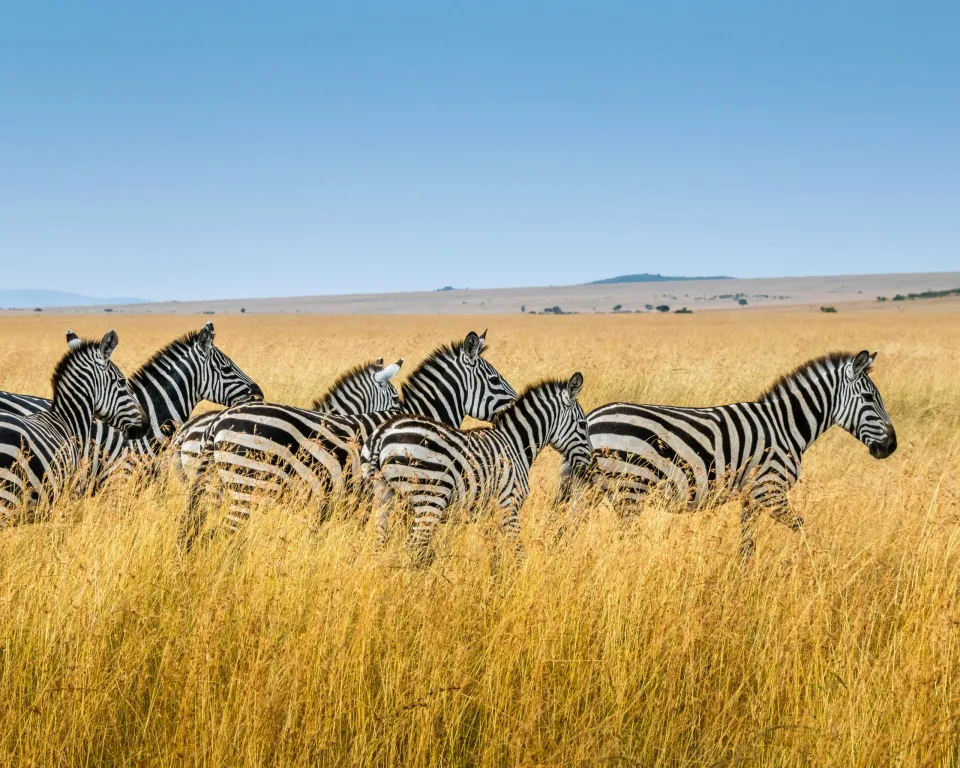
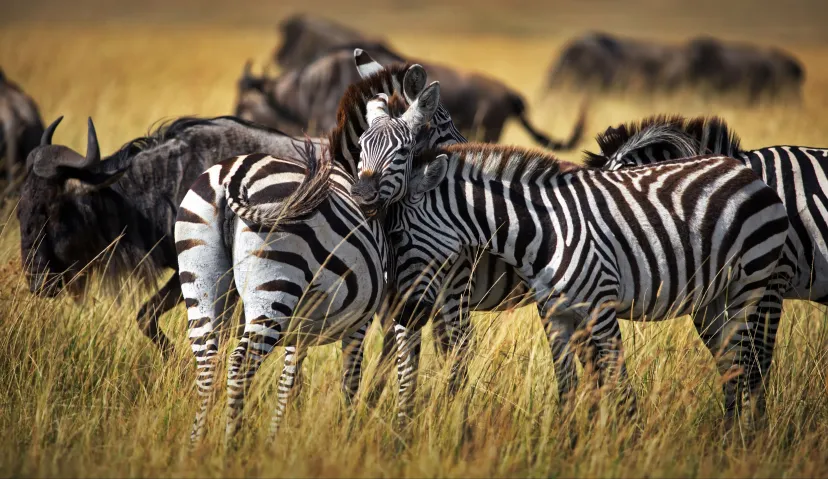
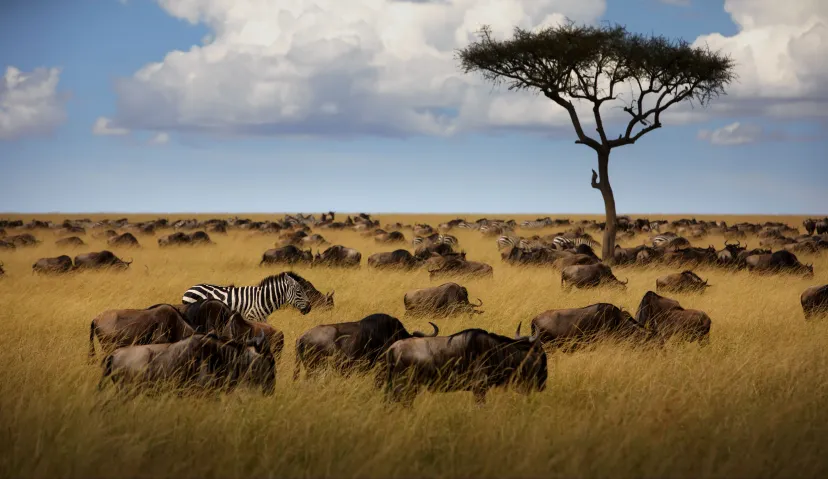
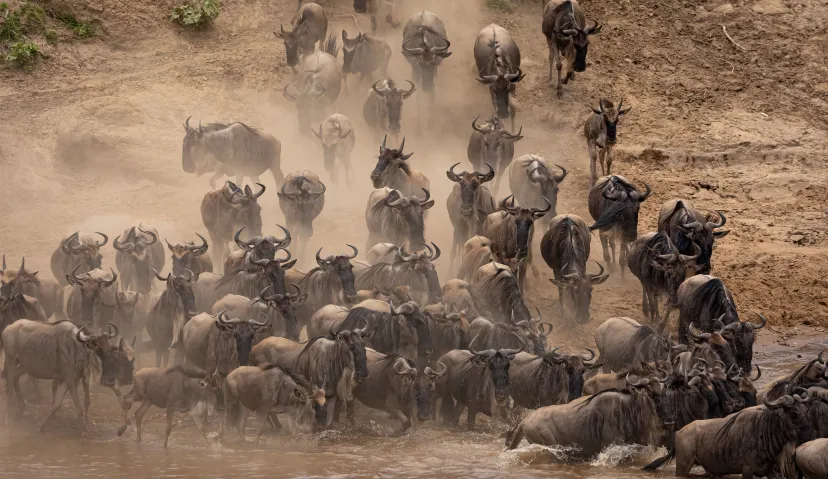
Ndutu, Gol Mountains and Sale Plains: These more open landscapes offer a different perspective on wildlife movement, seasonal grazing and the wider Serengeti ecosystem. Ndutu is particularly associated with the wildebeest calving season, while the Gol Mountains and Sale Plains appeal to travelers seeking less conventional routes and striking scenery.
Wildlife, Culture and Guided Experiences
Choose a crater game drive, a pre-arranged highland walk, an archaeological visit or a culturally respectful experience with local Maasai hosts.
Read moreShow less
Choose a crater game drive, a pre-arranged highland walk, an archaeological visit or a culturally respectful experience with local Maasai hosts. The conservation area also recognizes Hadzabe and Datoga heritage within its wider cultural landscape. Visits should be arranged responsibly, with community consent and appropriate local partners, rather than treating people or traditions as tourist displays.
When to Visit and How to Plan
June to October is generally popular for dry-season wildlife viewing, while January to March can be rewarding around the Ndutu plains, depending on…
Read moreShow less
June to October is generally popular for dry-season wildlife viewing, while January to March can be rewarding around the Ndutu plains, depending on rainfall and herd movements. Green-season scenery and birdlife can be attractive at other times. Allow two to three days for a well-rounded visit; additional nights make it easier to include highland walks, archaeology or less-visited areas. Access is commonly arranged through Arusha and Karatu, with the exact journey depending on the route, gate and overnight location.
Accommodation and a Personalized Itinerary
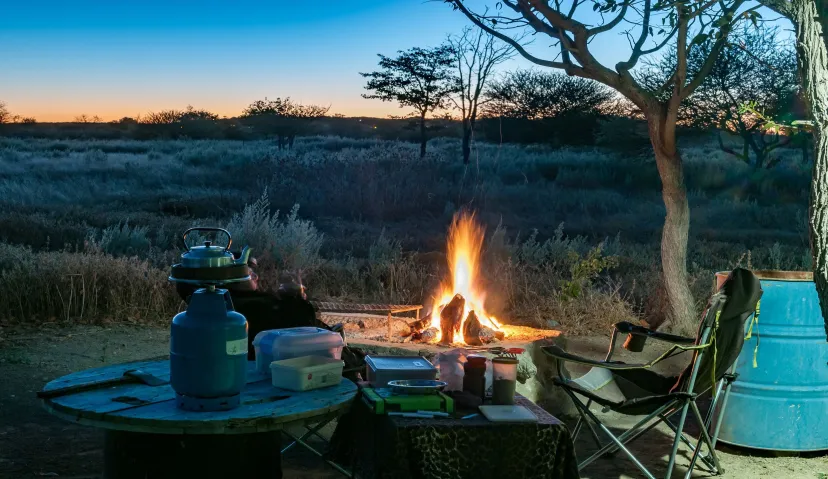
Options include crater-area lodges, luxury and mid-range tented camps, lodges around Karatu and designated public or special campsites.
Read moreShow less
Options include crater-area lodges, luxury and mid-range tented camps, lodges around Karatu and designated public or special campsites. Location affects both the experience and the time spent traveling each day, so accommodation should be chosen alongside the itinerary—not only by price or star rating.
Plan your Ngorongoro journey with Watoto Wa Bingwa Safaris & Tours. Our local team can help you combine wildlife, landscapes and cultural heritage into a private itinerary with clear arrangements and accommodation options suited to your budget and interests.
Best time to visit
- Jan Good
- Feb Good
- Mar Low
- Apr Low
- May Low
- Jun Peak
- Jul Peak
- Aug Peak
- Sep Peak
- Oct Peak
- Nov Good
- Dec Good
Wildlife is on the crater floor all year. June to October is driest and clearest.
Where it is
More in the Northern Circuit
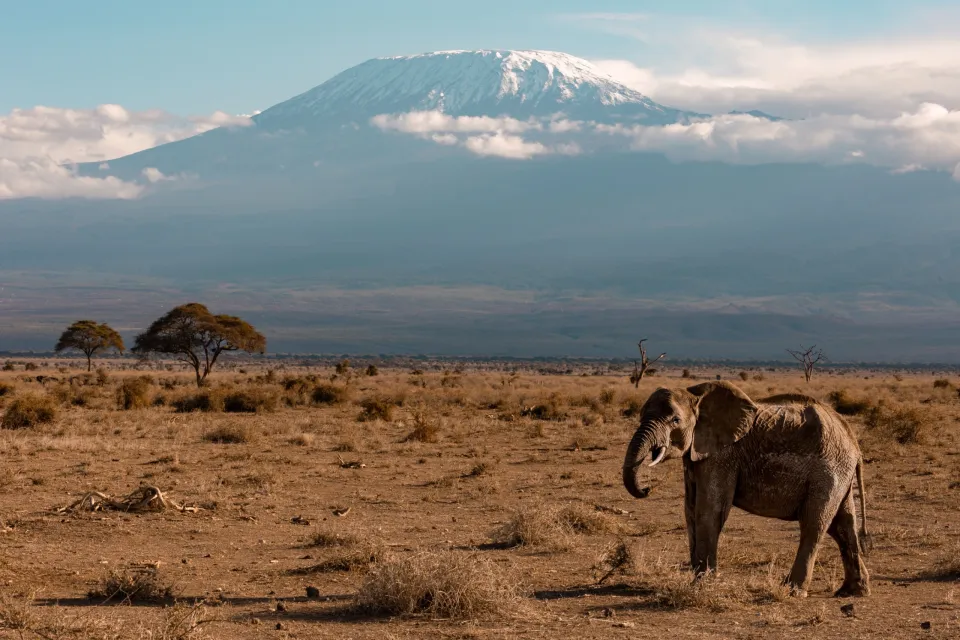
Mount Kilimanjaro National Park
Tanzania
7 places to see 3 safaris, from $1,500