
Loading

Not every memorable Tanzanian safari has to begin with a long drive across open savanna. Just outside Arusha city, Arusha National Park offers a different kind of wilderness experience, where mountain forests, volcanic craters, tranquil lakes, and open grasslands come together beneath the towering presence of Mount Meru.
Covering approximately 552 square kilometres, this northern Tanzania park is remarkable for the variety of landscapes found within a relatively compact area. One moment, you may be travelling through lush montane forest listening for the calls of black-and-white colobus monkeys; later, you may find yourself looking across the Momella Lakes, watching waterbirds, or enjoying views of Mount Meru rising above the surrounding countryside.
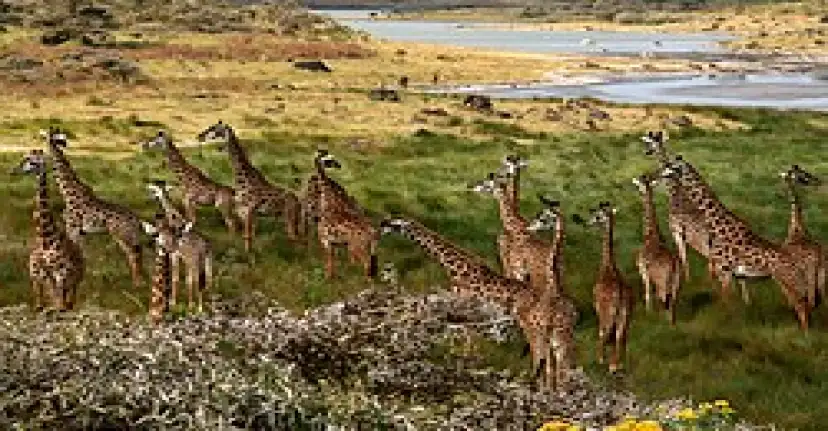
Unlike safari destinations primarily known for vast concentrations of large mammals, Arusha National Park rewards visitors with scenery, biodiversity, and opportunities to experience nature at a slower pace. Giraffes may browse across open clearings, buffalo can be found in suitable grassland habitats, and forested slopes shelter primates and numerous bird species. Wildlife sightings vary, but the changing environments make the journey itself part of the experience.
For travelers arriving in northern Tanzania, the park is an excellent introduction to the country's natural heritage. At Watoto Wa Bingwa Safaris & Tours, we help visitors discover this side of Tanzania through carefully planned safaris that reflect our local knowledge and our company's experience operating since 2015. Whether you have a free day in Arusha, want a scenic addition to a longer itinerary, or are preparing for a Mount Meru climb, this park offers an inviting place to begin.
Rising to approximately 4,566 metres above sea level, Mount Meru is the dominant landmark of Arusha National Park and Tanzania's second-highest mountain. This volcanic massif shapes the park's scenery, vegetation, and wildlife habitats, creating a dramatic backdrop for visitors exploring its lower slopes.
The mountain's geological history is written into its steep slopes, forested valleys, volcanic formations, and distinctive horseshoe-shaped crater landscape. As elevation increases, vegetation changes from lower woodland and montane forest to higher-altitude heath and moorland. These changing ecological zones make Mount Meru interesting not only for climbers but also for nature enthusiasts who want to understand how altitude influences the environment.
For travelers who enjoy mountain scenery without undertaking a multi-day climb, Mount Meru can provide a striking backdrop throughout a park visit. On clear days, the broader landscape may also offer views toward Mount Kilimanjaro, although visibility depends on weather and atmospheric conditions.
Ngurdoto Crater is one of the park's defining geological features. Its steep forested walls surround a crater floor of marshes, grassland, and other vegetation, creating a landscape that feels distinct from the surrounding open country.
From authorised viewpoints, visitors can appreciate the crater's shape and the contrast between its green interior and the surrounding terrain. Buffaloes and other wildlife may be observed in suitable areas, although sightings depend on conditions and visibility.
The crater is also a reminder that Tanzania's safari landscapes are shaped by geological processes as much as by wildlife. Volcanic activity, erosion, and changes in drainage have helped create the varied scenery that makes this part of northern Tanzania so distinctive.
Access to viewpoints and any guided walking activities depends on current park arrangements. Your itinerary should be planned around authorised routes rather than assuming that every section of the crater is accessible.
The Momella Lakes form a scenic collection of shallow lakes and wetlands in the park's northeastern landscape. Differences in water chemistry, algae, and surrounding vegetation can give individual lakes different colours, making the area particularly attractive for photographers and travelers who enjoy quiet landscapes.
The lakes are important for waterbirds, including flamingos and other species that use wetland habitats. Depending on the season and water conditions, visitors may see birds feeding in shallow water, resting along the shoreline, or moving between wetland areas.
A game-drive route around the lakes can also provide opportunities to observe wildlife in the surrounding grasslands and woodland. The appeal here is not only the number of animals seen, but the combination of open water, mountain views, birdlife, and changing light.
Flamingo numbers and other bird sightings vary naturally. We encourage travelers to enjoy the lakes as a living ecosystem rather than expect a particular bird spectacle on every visit.
Arusha National Park is particularly well known for its black-and-white colobus monkeys. Their long black-and-white coats and flowing tails make them distinctive against the forest canopy. Visitors may also hear their calls echoing through the trees, adding another layer to the forest experience.
The park's woodland and forest habitats support other primates, including blue monkeys and olive baboons. Larger mammals such as giraffes, buffaloes, and elephants also inhabit the park, while leopards are present but are notoriously difficult to spot.
Because the forest is dense in places, wildlife viewing differs from the experience of scanning open plains. Looking carefully, listening to bird calls, and allowing your guide time to interpret movement in the vegetation can make the experience more rewarding.
For travelers who enjoy learning about animal behaviour and habitat relationships, Arusha National Park offers a valuable complement to the more open savanna environments of the northern safari circuit.
The park and the wider Mount Meru area include waterfalls and striking geological features associated with volcanic processes, erosion, and ancient landscape changes. Tululusia Waterfall is one of the recognised attractions in the area and can add a refreshing nature-focused experience to a visit when access is available.
The surrounding terrain offers a reminder that northern Tanzania's natural attractions extend beyond wildlife. Forests, waterfalls, volcanic formations, and water systems all contribute to the environments in which plants and animals thrive.
Where walking is permitted, a guided experience can help visitors notice smaller features such as plant communities, bird habitats, rock formations, and changes in vegetation. Activity availability, route conditions, and guide requirements should be confirmed before travel.
Game drives are an accessible way to explore the park's changing scenery and look for giraffes, buffaloes, elephants, antelopes, and other wildlife. Routes can pass through forest edges, grassland, crater viewpoints, and the Momella Lakes area.
The experience is often as much about the scenery as it is about wildlife. Mount Meru provides a dramatic backdrop, while the mixture of habitats creates opportunities to observe different species during one outing.
One of Arusha National Park's distinctive attractions is the opportunity to explore selected areas on foot with an authorised guide and appropriate park arrangements. Walking can reveal details that are easy to miss from a vehicle, including animal tracks, plants, insects, bird calls, and the changing character of the forest.
Walking safaris are not ordinary hikes without restrictions. Wildlife safety, designated routes, ranger or guide requirements, and current park regulations must be followed. The appropriate route depends on the activity selected and the conditions on the day.
For active travelers, climbing Mount Meru offers a more demanding mountain adventure. The ascent passes through changing vegetation zones before reaching high-altitude terrain, providing both physical challenge and an opportunity to observe the mountain's ecological diversity.
A Mount Meru climb requires advance planning, suitable equipment, acclimatisation, and compliance with park requirements. The number of days depends on the authorised itinerary, route arrangements, and the traveler's fitness and experience. It should not be treated as a casual extension of a short game drive.
Some climbers also consider Mount Meru as preparation for a later Mount Kilimanjaro expedition. Whether this is suitable depends on individual fitness, acclimatisation needs, and the planned schedule.
With more than 450 recorded bird species, Arusha National Park is a rewarding choice for birdwatchers. The mix of forest, lakes, marshes, and grassland creates varied habitats, so bird species can differ from one area to another.
Photographers can enjoy reflections on the Momella Lakes, the mountain skyline, colobus monkeys in forest trees, and wildlife moving through open clearings. Early starts and flexible timing can help make the most of light and wildlife activity.
Canoeing and selected specialist activities may be offered under current park arrangements and operator availability. Other experiences, such as cycling or horse riding, should only be included when authorised and confirmed for the intended date and location.
If you have a particular activity in mind, let your safari planner know before booking. This makes it easier to check availability, understand any additional costs, and build a realistic schedule.
Arusha National Park can be visited throughout the year, but the best timing depends on your interests and the activities you want to include.
These months are generally popular for wildlife viewing and outdoor activities. Drier conditions can make some roads and trails easier to manage, while clearer weather may offer attractive mountain and crater views. This is a useful period for travelers who want to combine game drives with other outdoor experiences.
This period can also be rewarding, with green landscapes in some areas and opportunities for birdwatching. Visibility around Mount Meru and Kilimanjaro depends on the weather, so mountain views cannot be guaranteed.
The long rains bring greener conditions but may also affect road surfaces, walking routes, and the comfort of outdoor activities. Travelers visiting during this period should allow flexibility and confirm the latest conditions with their operator.
The short rains can create a fresh landscape and changing conditions for photography and birdwatching. Rainfall varies from year to year, so planning should take account of current forecasts and the intended activities.
Our recommendation: If you want a day trip with game drives and scenic stops, choose a period that fits your wider itinerary and preferred weather. If your main objective is climbing Mount Meru, the route, mountain conditions, and official trekking arrangements should guide your dates more than general safari seasonality alone.
Half a day: A short visit may suit travelers with a tight schedule, although it limits the number of areas and activities you can enjoy.
One full day: This is a practical choice for many visitors. It allows time for a game drive and selected scenic stops, with additional activities depending on availability and the schedule.
Two days: An overnight stay or a second day can suit travelers who want a slower pace, more time for birdwatching, or a combination of game drives and authorised walking experiences.
Three days or more: This may be appropriate for visitors undertaking a Mount Meru trek, subject to the authorised climbing itinerary and their travel arrangements.
Arusha National Park is particularly convenient for a day trip from the city, but its smaller size should not be mistaken for a lack of variety. The best duration depends on whether you are primarily interested in wildlife, scenery, walking, or mountain trekking.
Arusha National Park is located in the Arusha Region of northern Tanzania, approximately 30–35 kilometres from Arusha city, depending on the starting point and entrance used. The drive commonly takes around 45 minutes to an hour in suitable conditions, although traffic and the precise destination can affect travel time.
The park is also within practical reach of Kilimanjaro International Airport, making it a possible addition to a safari before or after an international flight. Actual transfer time depends on traffic, arrival formalities, and the gate or accommodation being visited.
Road transfers are the most common option for day visits and private safaris. If you are planning a Mount Meru trek, transport and arrival timing should be coordinated with the climbing itinerary and official park arrangements.
Because the park lies close to Arusha, it can be combined with city accommodation, cultural activities, or a longer journey to Tarangire, Lake Manyara, Ngorongoro Conservation Area, and Serengeti National Park.
Travelers can choose from accommodation in Arusha city, lodges and camps in the surrounding area, and selected accommodation options associated with the park. The best choice depends on your budget, preferred comfort, activity schedule, and whether you plan to climb Mount Meru.
Arusha city hotels: Useful for visitors who want access to restaurants, shops, transport services, and a wider choice of accommodation.
Lodges near the park: Can reduce transfer time and provide a more nature-focused setting.
Tented camps: May appeal to travelers who want a closer connection to the landscape, with facilities varying by property.
Mountain-trek accommodation: Overnight arrangements for Mount Meru should follow the official trekking itinerary and the accommodation facilities available along the route.
Before confirming your stay, check the property's location, included meals, transport arrangements, and how early you need to depart for your planned activity. The most expensive option is not automatically the best one; a well-located property that suits your itinerary may be more useful.
Arusha National Park works well as a first or final stop on a northern Tanzania itinerary, or as a day trip for travelers based in Arusha.
Combine a scenic visit to Arusha National Park with a dedicated Kilimanjaro climbing itinerary. Mount Meru and Kilimanjaro offer different mountain experiences, so climbing arrangements should be planned separately according to your goals and available time.
Continue to Tarangire for its distinctive baobab landscapes, elephant herds, and seasonal wildlife around the river and wetlands.
Add Lake Manyara for groundwater forest, birdlife, lakeshore scenery, and the possibility of observing its famous tree-climbing lions.
Explore the broader conservation area, including the Ngorongoro Crater, highland scenery, archaeological heritage, and cultural landscapes.
For travelers with more time, the Serengeti offers extensive plains, predators, and the seasonal movement of wildebeest and other grazing animals.
The best route depends on your arrival and departure points, the number of days available, and whether mountain trekking or wildlife viewing is your main priority. Our aim is to help you build a realistic itinerary that allows you to enjoy each destination rather than rush through it.
Arusha National Park is an excellent option for travelers who want scenery, forest wildlife, mountain views, and outdoor experiences close to a major northern Tanzania travel hub.
It can suit first-time visitors, couples, families, photographers, birdwatchers, and travelers with limited time. It is especially appealing to those who prefer a varied landscape and want to experience more than open savanna game drives.
For active travelers, the park also provides access to a more demanding mountain adventure on Mount Meru. However, trekking requires preparation and should be booked as a dedicated activity, not assumed to be included in a standard day safari.
If your main goal is to see very large concentrations of plains wildlife, you may prefer to spend more time in destinations such as the Serengeti or Tarangire. Arusha National Park's strength is its combination of scenery, biodiversity, accessibility, and opportunities to experience nature in different ways.
A visit to Arusha National Park can be a gentle introduction to Tanzania's wilderness or a memorable addition to a longer adventure. From the forest calls of colobus monkeys to the still waters of the Momella Lakes and the imposing outline of Mount Meru, the park offers a rich experience without requiring a long journey from Arusha city.
Watoto Wa Bingwa Safaris & Tours is a Tanzania-based safari company operating since 2015, according to our company information. We help travelers plan private wildlife safaris, tailor-made journeys, Kilimanjaro climbs, Zanzibar holidays, and cultural experiences.
We believe a well-planned trip should reflect the traveler, not a one-size-fits-all package. Tell us your preferred travel dates, how much time you have, your interests, and your budget. We can help you explore suitable options and plan a visit that matches your expectations.
Ready to discover Arusha National Park? Contact Watoto Wa Bingwa Safaris & Tours to plan your Tanzania adventure with local insight and thoughtful guidance.

watotowabingwasafaris.com
Install Progressive Web Application
This site has app functionality. Install it on your device for extensive experience and easy access.