
Loading

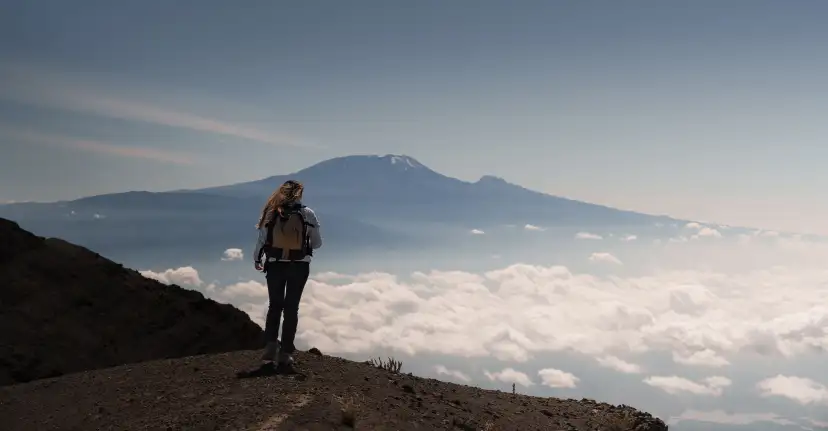
Rising dramatically above the plains of northern Tanzania, Mount Kilimanjaro is one of Africa’s most iconic natural landmarks and a defining destination for adventure travel. Its highest point, Uhuru Peak, reaches 5,895 metres above sea level, rewarding trekkers with extraordinary high-altitude scenery and the opportunity to stand on the continent’s highest summit.
Unlike many famous mountains that require technical climbing, Kilimanjaro’s established summit routes are trekking routes. However, the mountain should never be underestimated. The combination of long walking days, steep sections, cold temperatures and reduced oxygen at altitude makes thoughtful preparation essential.
With Watoto Wa Bingwa Safaris & Tours, your Kilimanjaro climbing adventure can be planned around your preferred route, available time, trekking experience and acclimatization needs. We help travellers explore the available options before choosing an itinerary suited to their goals.
Mount Kilimanjaro stands apart from the surrounding landscape as a vast volcanic massif with three principal volcanic features: Kibo, Mawenzi and Shira. Uhuru Peak is located on Kibo, the mountain’s highest volcanic cone.
Its outstanding feature is the dramatic transformation of the environment as trekkers climb. A journey that begins among cultivated foothills and green forest gradually leads into open heathland, high-altitude moorland, alpine desert and the cold summit environment.
Kilimanjaro National Park was established in 1973 and became a UNESCO World Heritage Site in 1987. Its ecological diversity, distinctive volcanic landscape and exceptional height make the mountain significant far beyond its appeal to climbers.
For travellers seeking more than a summit photograph, Kilimanjaro offers an immersive experience of Tanzania’s natural heritage, changing climates and remarkable mountain scenery.
One of the most memorable aspects of Mount Kilimanjaro trekking is the transition between ecological zones. Each stage introduces a different landscape and atmosphere.
The lower slopes are influenced by surrounding communities, farms and settlements. Depending on the route and starting point, trekkers may pass through cultivated landscapes before entering the national park’s forest environment.
This beginning provides a valuable contrast to the exposed mountain terrain encountered higher up.
The forest zone is characterised by dense vegetation, moist conditions, towering trees, mosses and ferns. It is often one of the greenest and most biologically rich sections of the climb.
Keep an eye out for blue monkeys, black-and-white colobus monkeys and montane birdlife. Wildlife encounters are possible but never guaranteed, and the principal purpose of a summit trek is the mountain journey itself.
Forest trails can be damp, muddy and slippery, especially during wetter periods, so suitable footwear and waterproof clothing are important.
As the trail rises above much of the forest, the landscape opens into heath and moorland. Giant groundsels, distinctive lobelias and wide mountain views give this zone a character unlike the tropical vegetation below.
The change in scenery can be particularly striking after several days of walking. Trekkers may notice cooler temperatures, stronger winds and increasingly expansive views across the mountain slopes.
Higher on Kilimanjaro, vegetation becomes sparse and the environment increasingly exposed. The alpine desert is characterised by volcanic terrain, rocky ground, limited vegetation and substantial temperature differences between day and night.
The landscape can feel almost otherworldly, with the summit massif rising above the surrounding terrain. At this altitude, walking slowly and allowing time for acclimatization become increasingly important.
The upper slopes leading towards Uhuru Peak are cold, exposed and physically demanding. Trekkers may encounter ice and snow depending on current conditions, while wind can make the temperature feel considerably colder.
The summit experience often involves a night ascent followed by sunrise near the top. Weather, visibility and individual responses to altitude can influence the final approach, so reaching Uhuru Peak should never be treated as a guaranteed outcome.
Choosing the right Kilimanjaro route is one of the most important decisions when planning your trek. Routes differ in scenery, duration, accommodation, crowd levels and opportunities for acclimatization.
Watoto Wa Bingwa Safaris & Tours can help you compare the main options and select an itinerary appropriate to your time, budget and trekking goals.
The Machame Route, commonly known as the “Whiskey Route,” is popular with trekkers who want varied scenery and a challenging mountain experience.
The trail passes through rainforest, reaches the Shira Plateau and continues across dramatic high-altitude terrain. Many itineraries include the Lava Tower area and the Barranco Wall before approaching the summit.
Typical duration: Approximately 6–7 days, depending on the itinerary.
Best suited to: Travellers seeking a scenic route with a demanding but rewarding trekking experience.
Machame is not automatically the best option for every climber. Compare the proposed number of days and acclimatization schedule rather than selecting a route based on popularity alone.
The Lemosho Route approaches Kilimanjaro from the west, offering a varied journey through forest and open highland landscapes. Its early stages can provide a more remote atmosphere before the route joins trails used by other climbers.
Longer Lemosho itineraries allow time for gradual ascent and acclimatization while providing opportunities to appreciate the mountain beyond the summit push.
Typical duration: Approximately 7–8 days or longer, depending on the itinerary.
Best suited to: Travellers who value scenery, a longer mountain experience and a carefully paced ascent.
For many visitors, Lemosho is worth considering when their schedule and budget allow enough days on the mountain.
The Marangu Route is one of Kilimanjaro’s established climbing routes and is often called the “Coca-Cola Route.” It is distinctive because designated mountain huts provide accommodation instead of the tented camps used on most other standard summit routes.
The route follows a direct approach towards the summit and uses the same general trail for ascent and descent.
Typical duration: Often 5–6 days, although longer itineraries may allow better acclimatization.
Best suited to: Trekkers who prefer hut accommodation and a well-established route.
Although Marangu is sometimes described as easier because of its accommodation, altitude remains a serious challenge. A shorter itinerary does not necessarily make the climb safer or more achievable.
The Rongai Route approaches Kilimanjaro from the northern side, near the Kenyan border. Its location gives the journey a different perspective from the western and southern approaches.
It is an option worth comparing for travellers who prefer a northern approach and want to consider a different route profile.
Typical duration: Approximately 6–7 days, depending on the itinerary.
Best suited to: Trekkers interested in the northern side of Kilimanjaro and a route with a different atmosphere from the more frequently used southern approaches.
Conditions vary, and a route should not be selected solely on the assumption that it will always be quiet or dry.
The Northern Circuit follows an extended route around the northern slopes of Kilimanjaro. Its longer itinerary provides more time on the mountain and can offer excellent opportunities for acclimatization.
The journey appeals to travellers who want a more comprehensive trekking experience rather than the shortest practical route to the summit.
Typical duration: Approximately 8–9 days or longer, depending on the itinerary.
Best suited to: Travellers with sufficient time who prioritise a gradual ascent, broad scenery and a longer mountain adventure.
The additional days require a larger time commitment and budget, but they can make the overall itinerary more comfortable for acclimatization.
The Umbwe Route is known for its steep, direct approach and demanding early stages. It is generally less appropriate for trekkers seeking a gradual introduction to high-altitude hiking.
Typical duration: Often around 6–7 days, depending on the itinerary and connection with other trails.
Best suited to: Experienced and well-prepared trekkers who understand the route’s physical demands and have a suitable acclimatization plan.
Route choice should always be discussed with a qualified operator. A physically demanding route is not a shortcut to a successful summit.
The Shira Route approaches the mountain through the western side and the Shira Plateau. It shares some of its terrain with other western approaches but has a different starting profile.
Because some itineraries begin at relatively high elevations, the starting altitude and the time available to acclimatize deserve particular attention.
Best suited to: Trekkers comparing western-route scenery and itineraries with an appropriate altitude-adjustment plan.
Important: The Mweka Route is commonly used for descent rather than as a standard summit ascent route.
Kilimanjaro can be climbed throughout the year, but seasonal weather influences trail conditions, visibility, temperatures and the overall trekking experience.
January to mid-March: Often a favourable period for trekkers seeking a balance of generally good conditions and mountain scenery. Weather can still change, and snow or cloud may affect the upper slopes.
June to October: A popular climbing period, generally associated with drier conditions. Demand can be higher, so advance planning is advisable.
April and May: These months commonly experience the long rains. Wet trails, cloud and muddy conditions can make trekking more challenging.
November to early December: The short rains may bring showers and variable visibility. Conditions differ from year to year, and climbing decisions should be based on current forecasts and operator advice.
There is no month when weather is guaranteed to be perfect. Summit temperatures can be below freezing, and strong wind can increase the cold at any time of year.
Mount Kilimanjaro does not usually require technical rope-climbing skills on its standard trekking routes, but that does not make it an easy walk.
The main challenges include:
Altitude: Reduced oxygen availability can cause altitude-related illness, even in physically fit people.
Endurance: Several consecutive days of walking require stamina and the ability to recover between stages.
Cold conditions: Temperatures can fall sharply at higher elevations, particularly during the summit attempt.
Uneven terrain: Rocky trails, steep sections, dust, mud and changing weather demand concentration.
Mental resilience: Slow progress, fatigue and discomfort can make the later stages challenging.
Training before the trek can help. Regular walking, hill hikes, stair climbing and endurance exercise are useful ways to prepare, although training does not eliminate the risks associated with altitude.
A responsible itinerary should allow adequate time for acclimatization. Trekkers should report symptoms promptly to their guides and follow professional instructions, including stopping the ascent or descending when necessary. No operator can honestly guarantee that every traveller will reach Uhuru Peak.
A typical climbing package begins with arrival and preparation in the Moshi or Arusha area, followed by a transfer to the selected park gate.
After registration and the required arrangements, the trek begins under the guidance of the mountain team. Daily walking stages take you through changing landscapes towards higher camps or mountain huts.
Depending on your route, the itinerary may include:
Walking through montane rainforest.
Exploring highland moorland and the Shira Plateau.
Crossing exposed alpine terrain.
Resting at designated mountain camps or huts.
Following an acclimatization schedule recommended by your guide.
Beginning the summit approach during the night or early morning.
Descending towards the appropriate exit gate after the climb.
The precise sequence, camp locations and daily walking times depend on the route and operator's itinerary. Travellers should review the complete day-by-day programme before booking.
Kilimanjaro is a protected natural environment as well as an important source of tourism livelihoods. Responsible climbing involves respecting both the mountain ecosystem and the people who make each expedition possible.
Travellers should choose a properly licensed operator, follow park regulations, stay on authorised trails and avoid leaving litter behind. It is also important to ask how the operator supports its guides and porters, including fair working practices and appropriate equipment.
The mountain’s forest, wildlife habitats, volcanic landscapes and remaining summit icefields are part of its wider natural value. Responsible tourism helps protect the experience for future visitors while supporting the communities connected to the mountain.
Kilimanjaro is located in northern Tanzania, with Moshi serving as one of the principal towns used by climbing operators. Arusha is another common base for travellers combining the mountain with a northern-circuit safari.
Many international visitors arrive through Kilimanjaro International Airport (JRO). Transfers to accommodation and the selected climbing gate are generally arranged through the tour operator.
Before travelling, confirm your airport transfer, pre-climb accommodation, route start point, equipment arrangements and the time required for the climb.
For travellers planning a longer Tanzania holiday, a Kilimanjaro trek can be combined with a wildlife safari in destinations such as Serengeti National Park, Ngorongoro Conservation Area or Tarangire National Park. Zanzibar can also be considered for a beach extension after the mountain, depending on your schedule and budget.
Packing should reflect the mountain’s changing conditions rather than the warm weather you may experience at the foothills.
Essential items commonly include:
Layered clothing, including thermal base layers and insulating outer layers.
A waterproof jacket and trousers.
Warm gloves, a hat and suitable cold-weather accessories.
Well-fitting trekking boots and comfortable hiking socks.
A headlamp with spare batteries.
A daypack and suitable water containers.
Sun protection, including sunglasses, sunscreen and a hat.
Personal medication and any recommended health supplies.
Trekking poles if preferred.
A sleeping bag suitable for the expected temperatures, where required by the itinerary.
The exact equipment list depends on the route, season, accommodation and services included in the package. Confirm what the operator supplies and what you must bring or hire before departure.
Every Kilimanjaro journey begins with choosing the right plan. The most suitable itinerary depends on your travel dates, fitness, available days, preferred route and budget—not simply on which package has the lowest advertised price.
Watoto Wa Bingwa Safaris & Tours is a Tanzania-based safari and travel company operating since 2015. We can help you explore Kilimanjaro climbing options and consider how the mountain fits into a wider Tanzania holiday.
When enquiring, share your preferred travel dates, group size, route preference if you have one, and the number of days you can spend on the mountain. This makes it easier to discuss a suitable itinerary and clarify what is included.
Ready to explore Mount Kilimanjaro? Contact Watoto Wa Bingwa Safaris & Tours to discuss your climbing plans and create a Tanzania adventure tailored to your journey.

watotowabingwasafaris.com
Install Progressive Web Application
This site has app functionality. Install it on your device for extensive experience and easy access.