
- Best time
- Jun – Oct
- Area
- 14 km²
- Languages
- Swahili
- Currency
- Tanzanian Shilling TZS
About Serengeti National Park
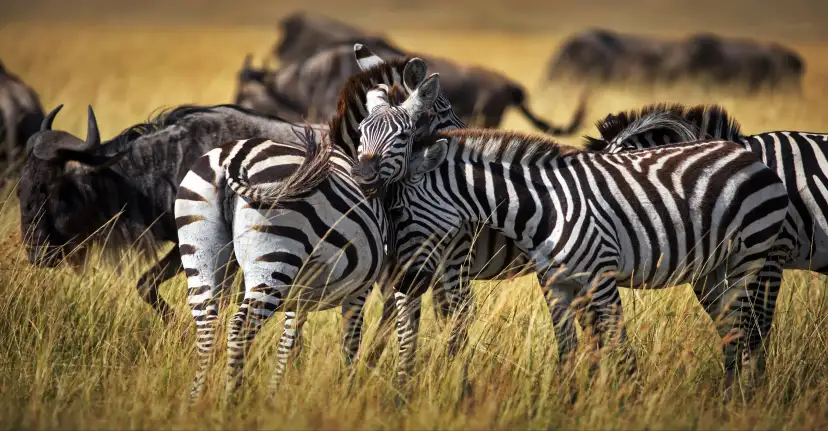
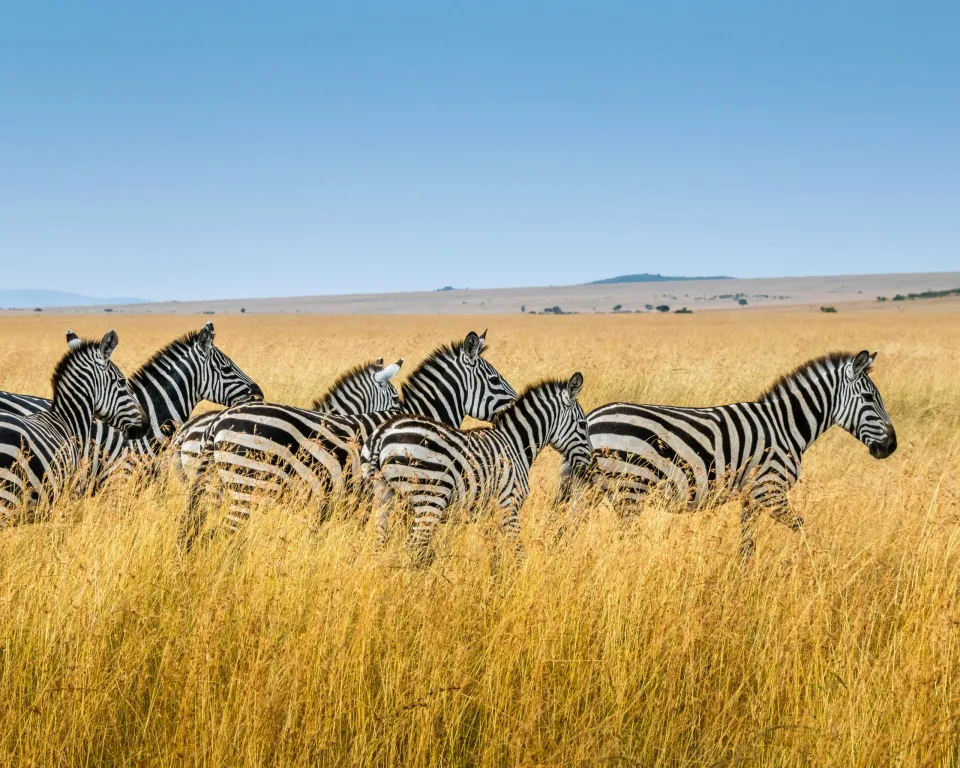
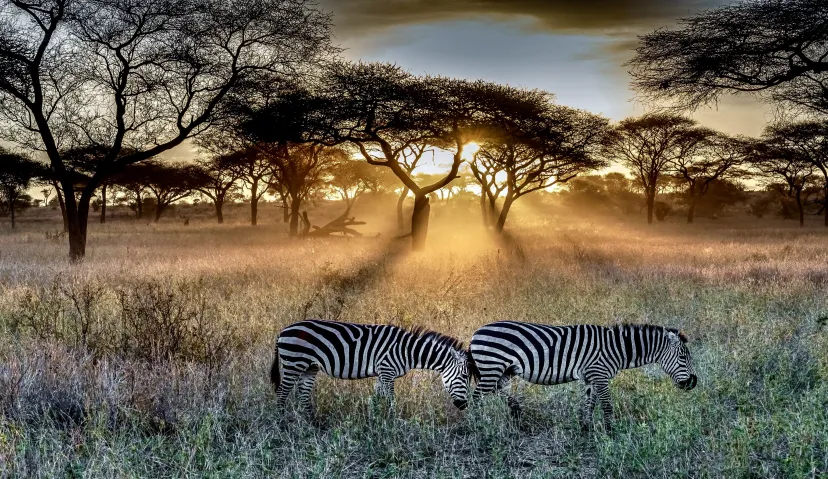
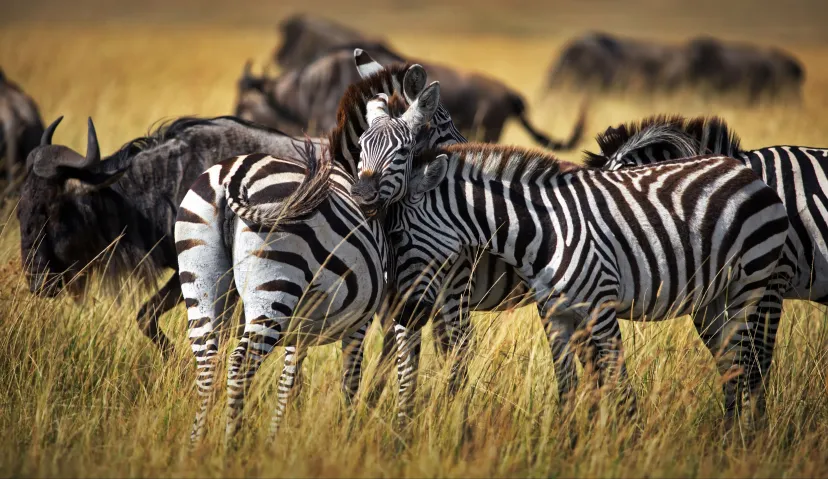
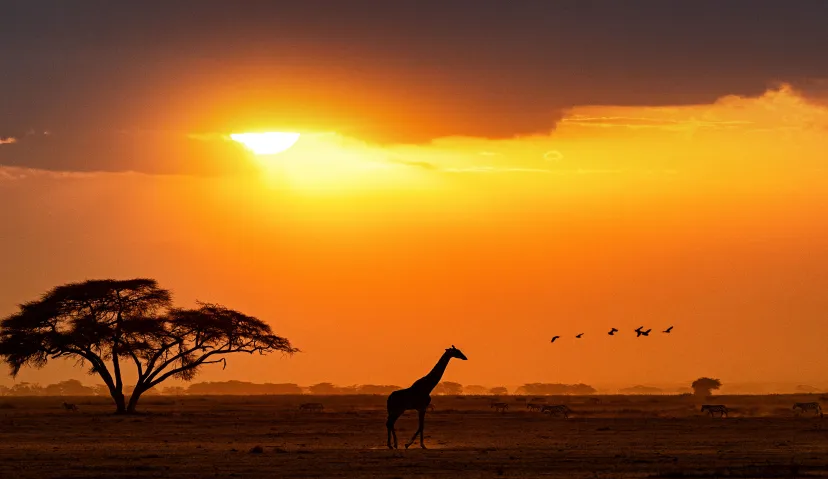
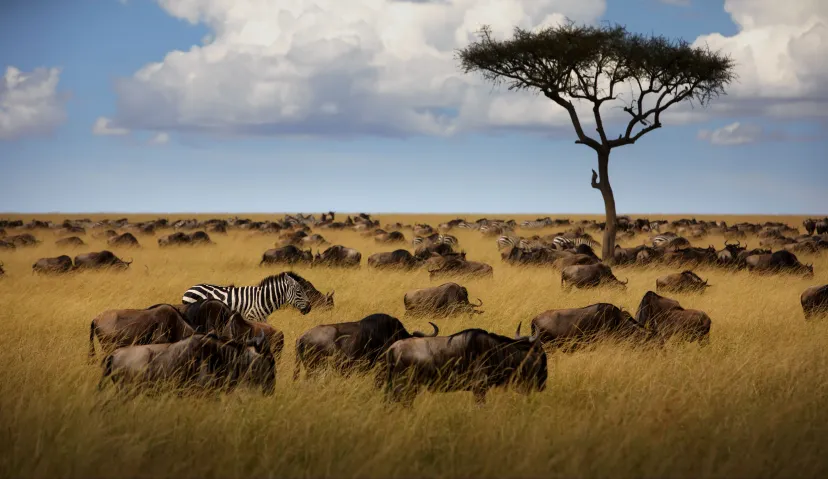
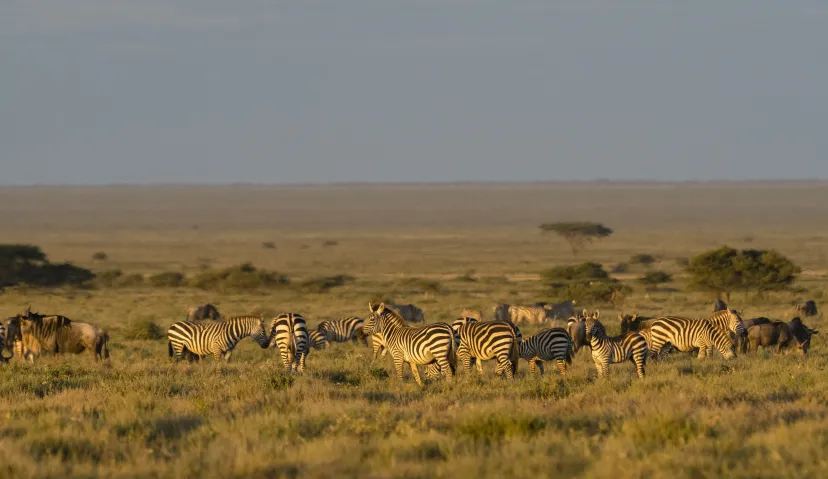
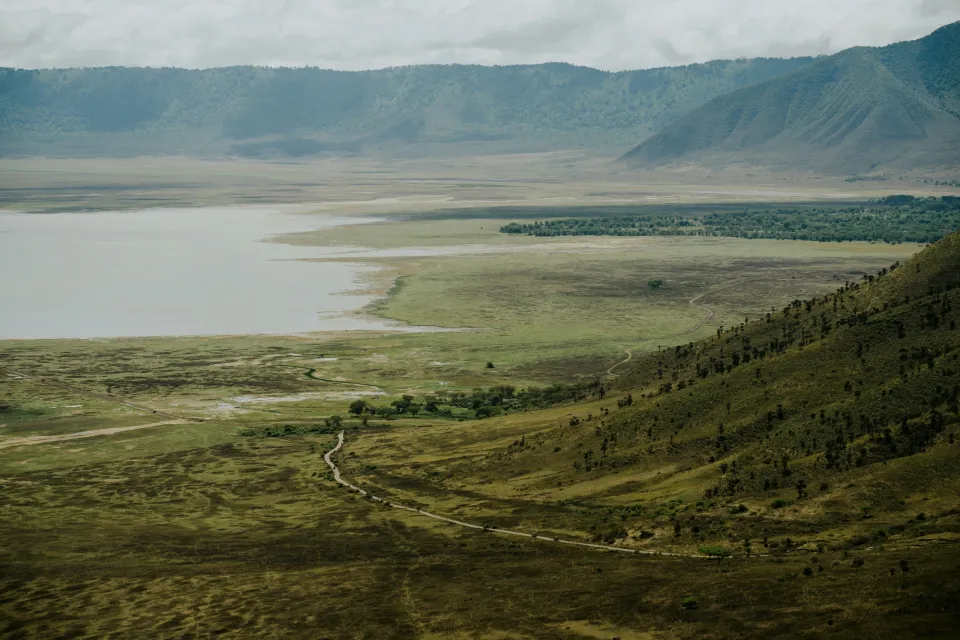
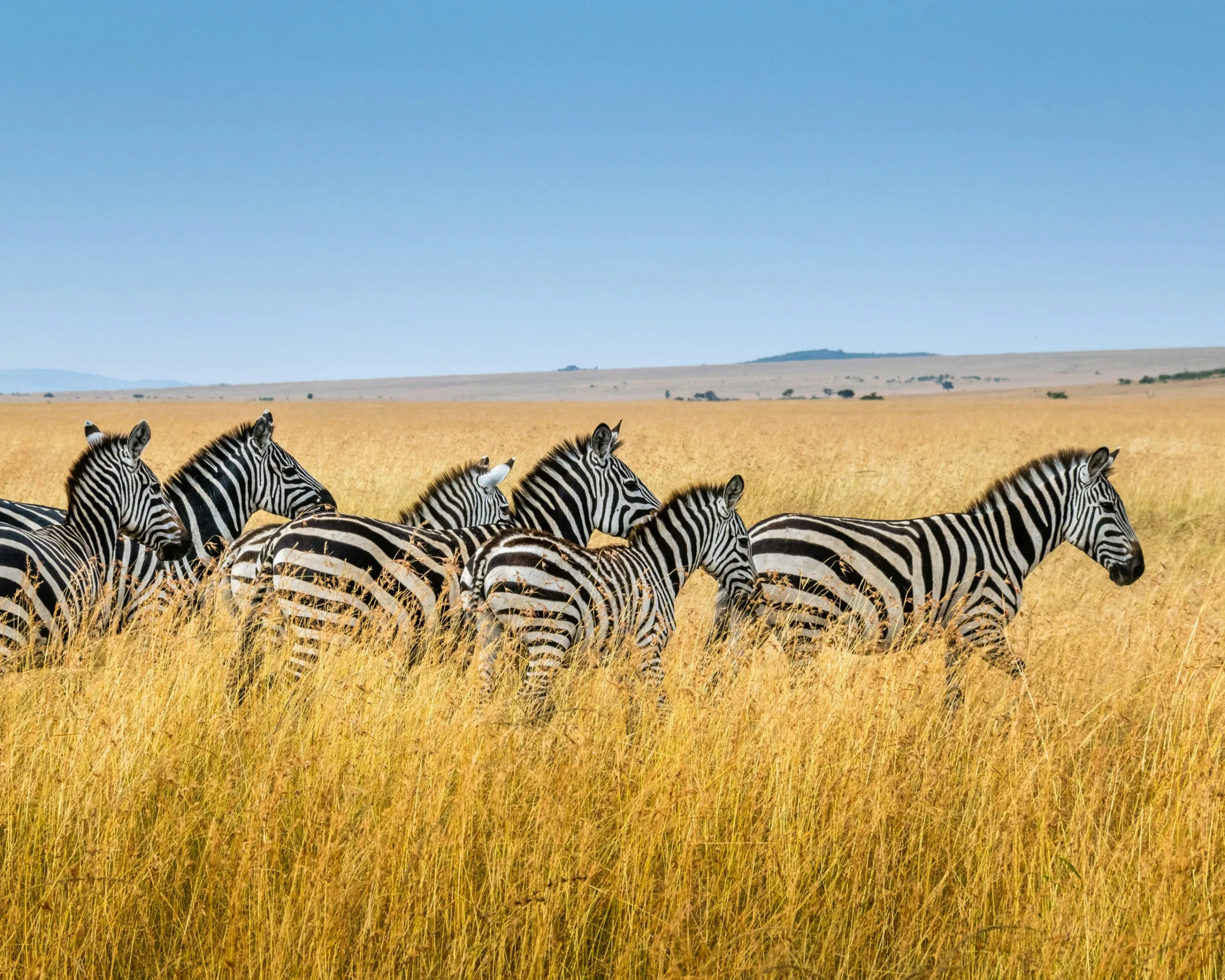
Serengeti National Park is one of Africa's most remarkable wildlife destinations, renowned for its immense open plains, dramatic predator encounters and the extraordinary movements of wildebeest and zebra across the wider Serengeti–Mara ecosystem. Covering approximately 14,763 square kilometres, the park contains a changing mosaic of short-grass plains, rocky kopjes, acacia woodland, river valleys and seasonal water sources. Each landscape supports different wildlife experiences, making the location of your accommodation and the season of your visit important parts of safari planning.
At Watoto Wa Bingwa Safaris & Tours, a locally based Tanzanian safari company operating since 2015, we help travelers plan private wildlife safaris around their interests, travel dates and preferred level of comfort. Rather than treating the Serengeti as a single stop, we help you consider which region offers the most suitable experience for your journey.
What to see and do
Explore the Serengeti's Distinct Wildlife Regions
Central Serengeti — Seronera Valley: A strong all-round choice for first-time visitors.
Read moreShow less
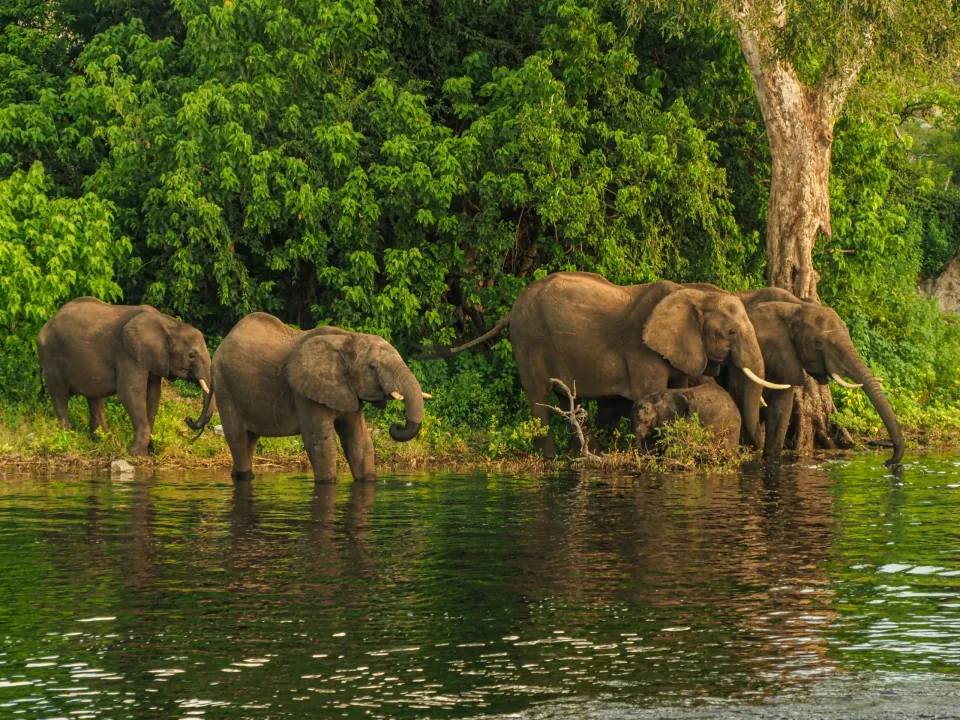
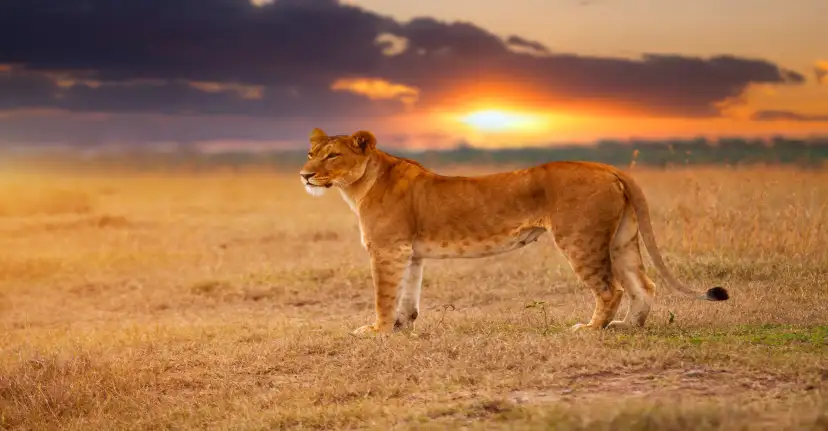
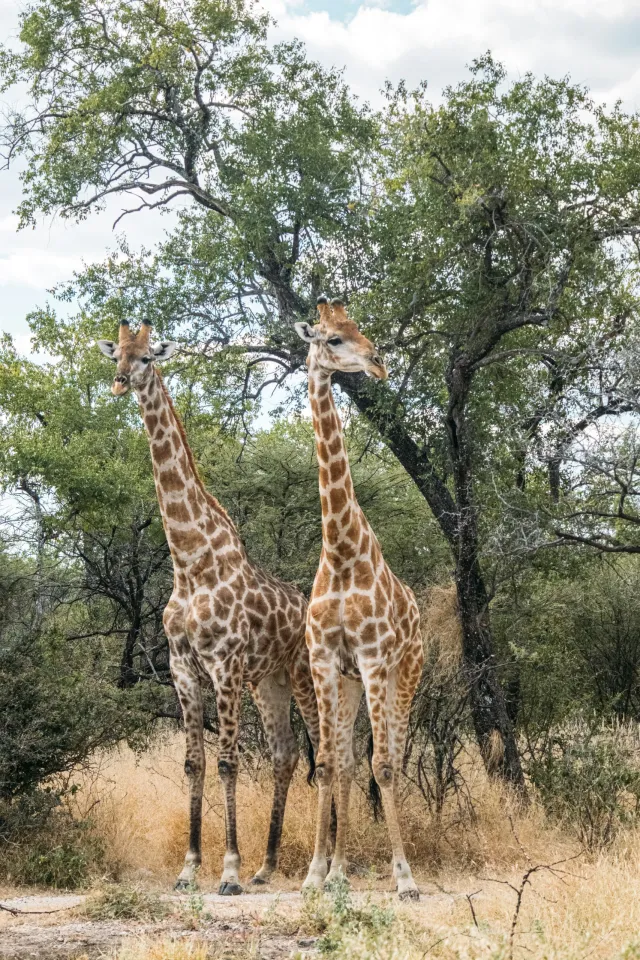
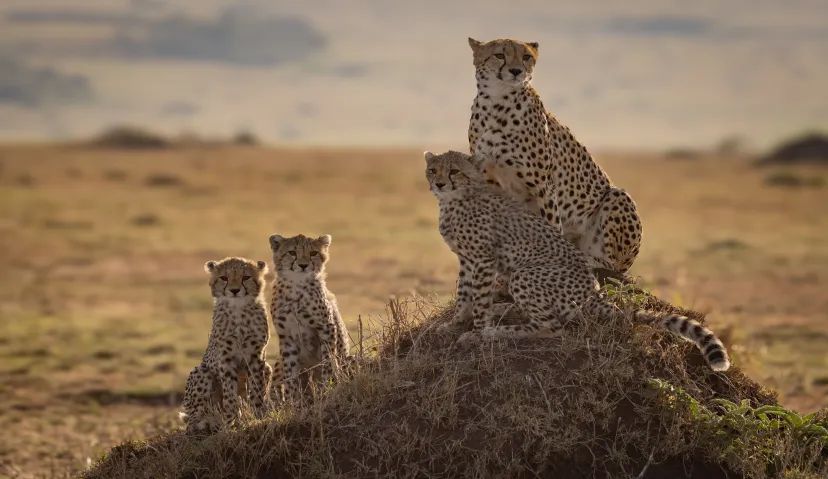
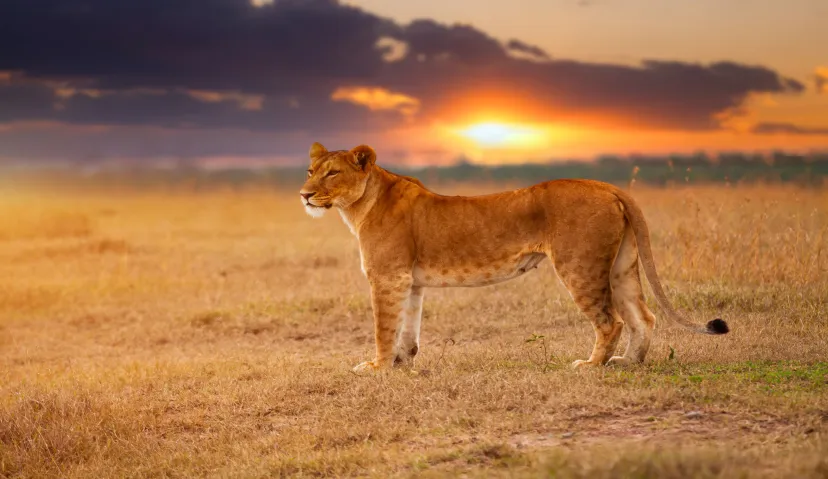
Central Serengeti — Seronera Valley: A strong all-round choice for first-time visitors. Its river systems, grasslands and rocky kopjes support resident lions, leopards, cheetahs, elephants, giraffes and numerous grazing species. It is particularly useful for travelers seeking rewarding game drives throughout the year.
Southern Plains and the Ndutu area: Famous for seasonal wildebeest calving, especially around January to March, depending on rainfall and herd movements. This area is especially appealing to photographers and wildlife enthusiasts interested in newborn animals and predator behaviour. Ndutu is mainly within the Ngorongoro Conservation Area, adjacent to the Serengeti National Park.
Western Corridor and Grumeti region: Riverine woodland, open country and seasonal migration movements create a different safari atmosphere. Wildlife movement through this region often becomes more prominent around May to July, although timing varies.
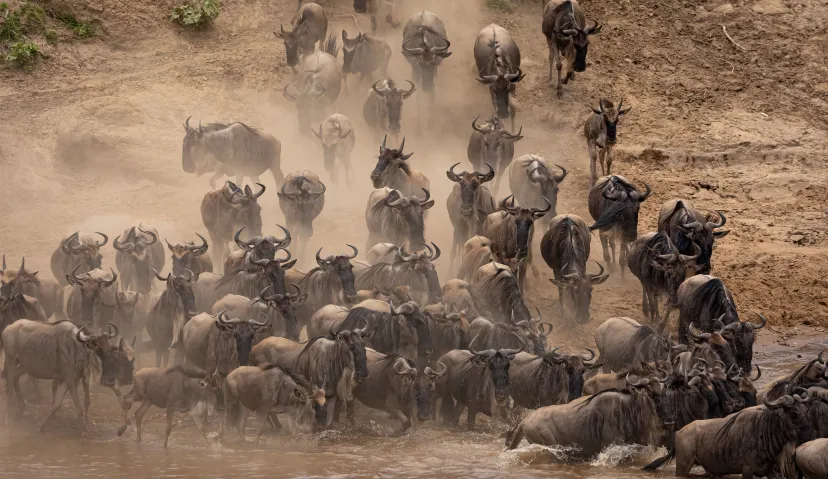
Northern Serengeti — Kogatende and the Mara River: A popular choice for travelers hoping to observe migration herds near the Mara River, particularly during the middle and later part of the dry season. River crossings are unpredictable and should never be guaranteed.
Key Experiences
Enjoy guided morning and afternoon game drives, explore different habitats, photograph wildlife at the appropriate distance and learn from your…
Read moreShow less
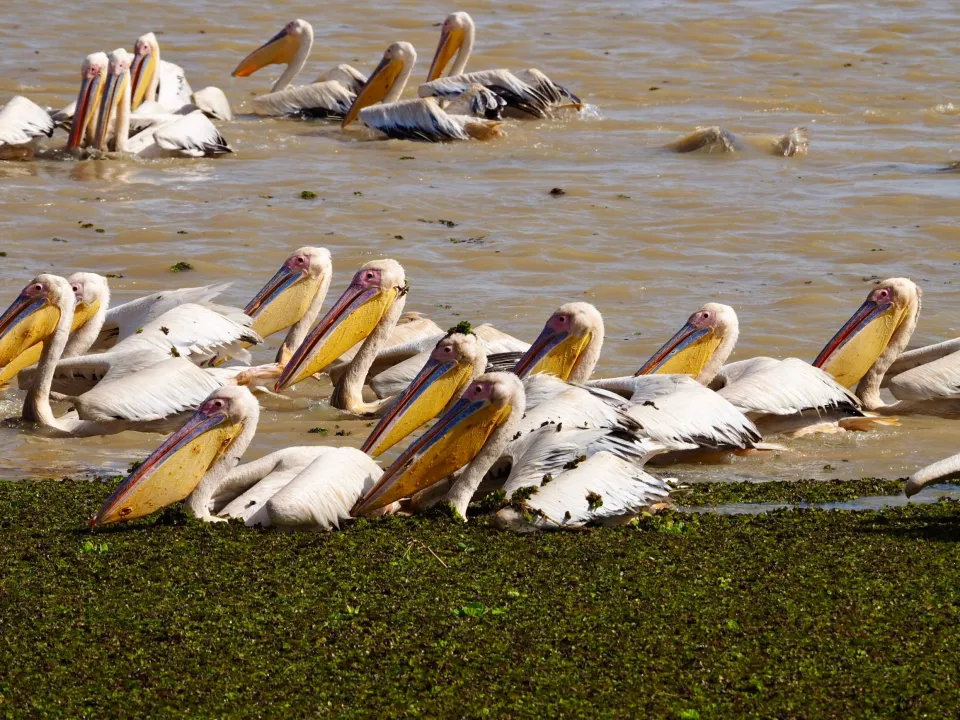
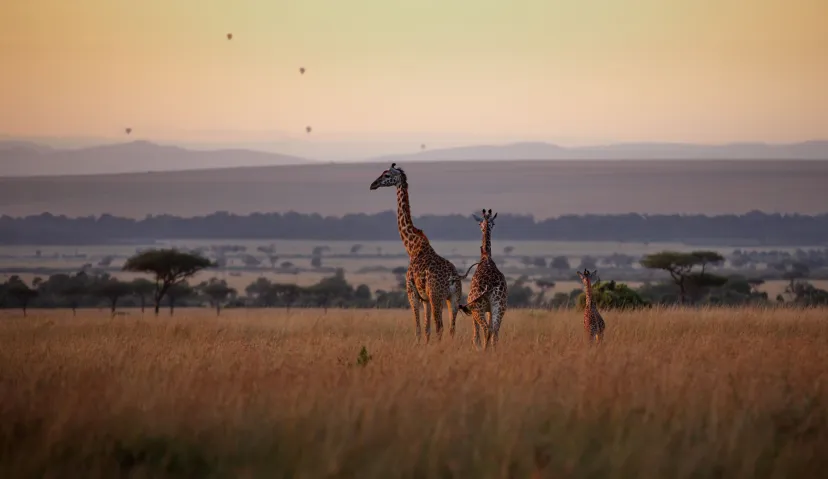
Enjoy guided morning and afternoon game drives, explore different habitats, photograph wildlife at the appropriate distance and learn from your safari guide about animal behaviour and the ecology of the plains. Optional hot-air-balloon safaris may be available in designated areas, subject to operator arrangements, weather, permits and availability. Birdwatching, scenic sundowners and quieter drives away from the busiest routes can add depth to the experience.
Best Time to Visit and How Long to Stay
The Serengeti can be visited throughout the year. June to October is generally popular for dry-season wildlife viewing.
Read moreShow less
The Serengeti can be visited throughout the year. June to October is generally popular for dry-season wildlife viewing. January to March can be rewarding in the southern ecosystem for calving-season experiences. November and December may bring greener scenery and seasonal herd movements, while April and May can be wetter and some roads more difficult.
Allow three to four nights for a well-paced first visit; five or more nights can make it easier to combine regions. Road journeys from Arusha can take much of a day, depending on your route, gate and stops. Scheduled or chartered flights to airstrips such as Seronera, Kogatende, Ndutu or Grumeti can reduce travel time, but the best airstrip depends on your itinerary.
Accommodation and Safari Style
Choose from public campsites, budget tented camps, comfortable mid-range tented lodges and premium or luxury camps.
Read moreShow less
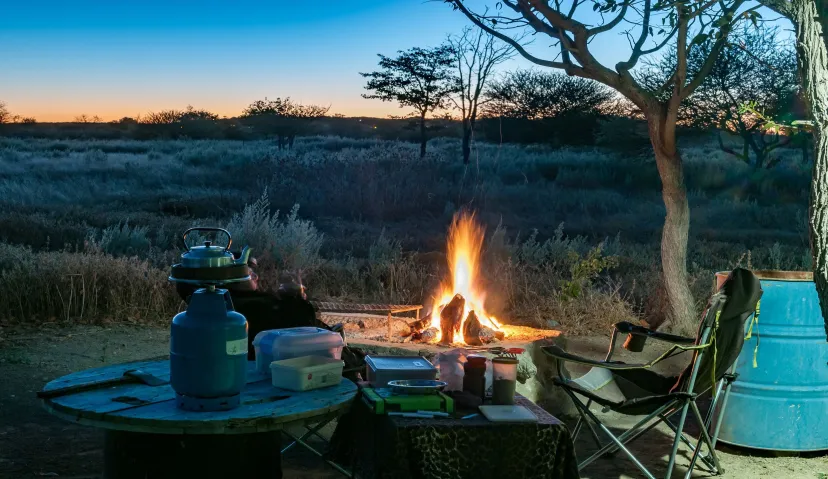
Choose from public campsites, budget tented camps, comfortable mid-range tented lodges and premium or luxury camps. The right option depends on your budget, location, facilities and the season. A well-positioned mid-range camp may suit your wildlife priorities better than a more expensive property far from the area you want to explore.
Plan Your Serengeti Safari with Local Expertise
Whether you are planning a first African safari, a photography-focused journey, a family holiday or a migration-season adventure, our team can help…
Read moreShow less
Whether you are planning a first African safari, a photography-focused journey, a family holiday or a migration-season adventure, our team can help match your travel dates with a suitable Serengeti region and itinerary. Contact Watoto Wa Bingwa Safaris & Tours for a personalized safari proposal, with clear arrangements and accommodation options suited to your travel style and budget.
Best time to visit
- Jan Good
- Feb Good
- Mar Low
- Apr Low
- May Low
- Jun Peak
- Jul Peak
- Aug Peak
- Sep Peak
- Oct Peak
- Nov Good
- Dec Good
Dry season (June to October) gives the best game viewing. Calving season in the south runs January to February.
Where it is
More in the Northern Circuit
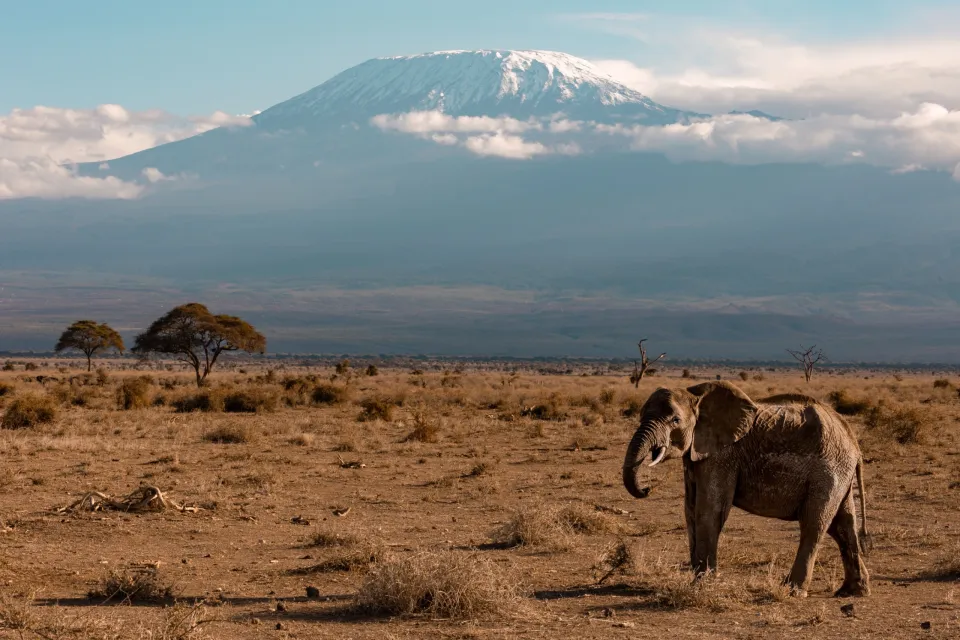
Mount Kilimanjaro National Park
Tanzania
7 places to see 3 safaris, from $1,500