
 Wildlife Safaris
3-Day Classic Serengeti Wildlife Safari
Immerse yourself in the heart of Africa with our 3-Day Classic Serengeti Wildlife Safari. Journey across the legendary e...
From $1,850,000 per adult
Loading

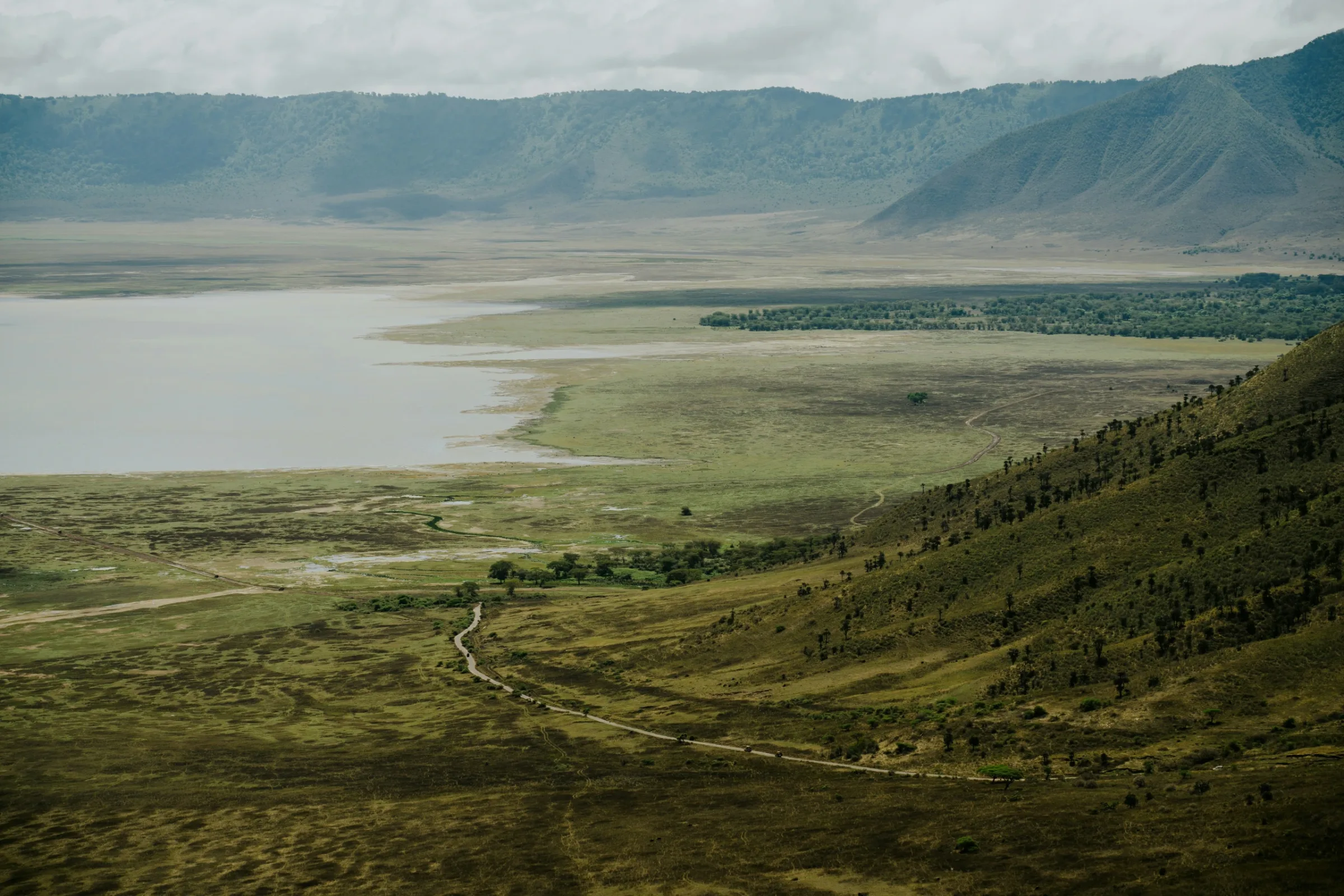
Serengeti, Mara Region, Lake Zone, 31611, Tanzania, Seronera
From $5,500 per adult
Experience the wild beauty of East Africa on this 15-day Great Migration safari in Tanzania, exploring Tarangire National Park, Lake Manyara National Park, Serengeti National Park, and the Ngorongoro Conservation Area. Discover diverse landscapes, remarkable wildlife, and the famous Serengeti ecosystem, home to the spectacular Great Migration.
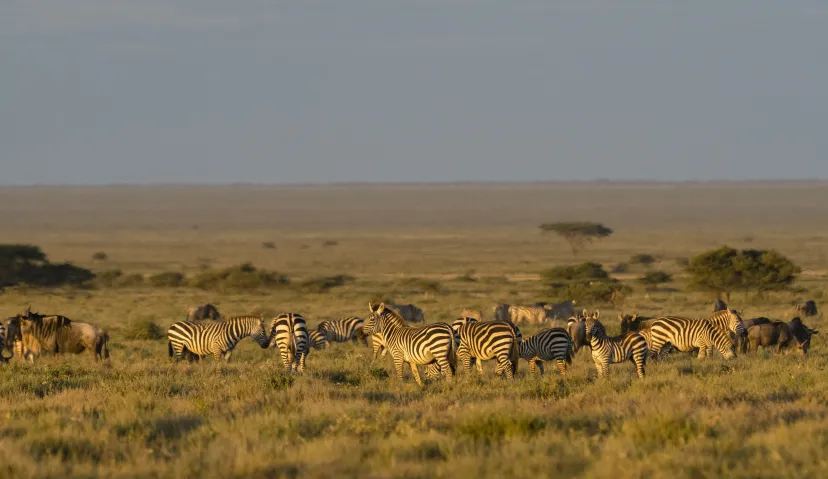
From the ancient baobab trees and elephant herds of Tarangire to the endless plains of the Serengeti, every destination reveals a different side of Tanzania's natural heritage. Spend more time exploring the Serengeti, where wildebeest and zebras move across seasonal grazing grounds and predators follow the changing distribution of their prey.
Continue to the northern Serengeti, an important migration region during parts of the year, before discovering the dramatic volcanic scenery and wildlife-rich Ngorongoro Crater.
Designed for travellers seeking an immersive wildlife experience, this safari combines game viewing, breathtaking landscapes, photography opportunities, and the possibility of cultural encounters. The route can be adapted to your travel dates and the seasonal location of the Great Migration.
A longer safari allows you to explore several ecosystems without limiting your experience to short visits. Additional time in the Serengeti creates more opportunities to search for wildlife, appreciate the landscape, and explore areas where migration herds may be present.
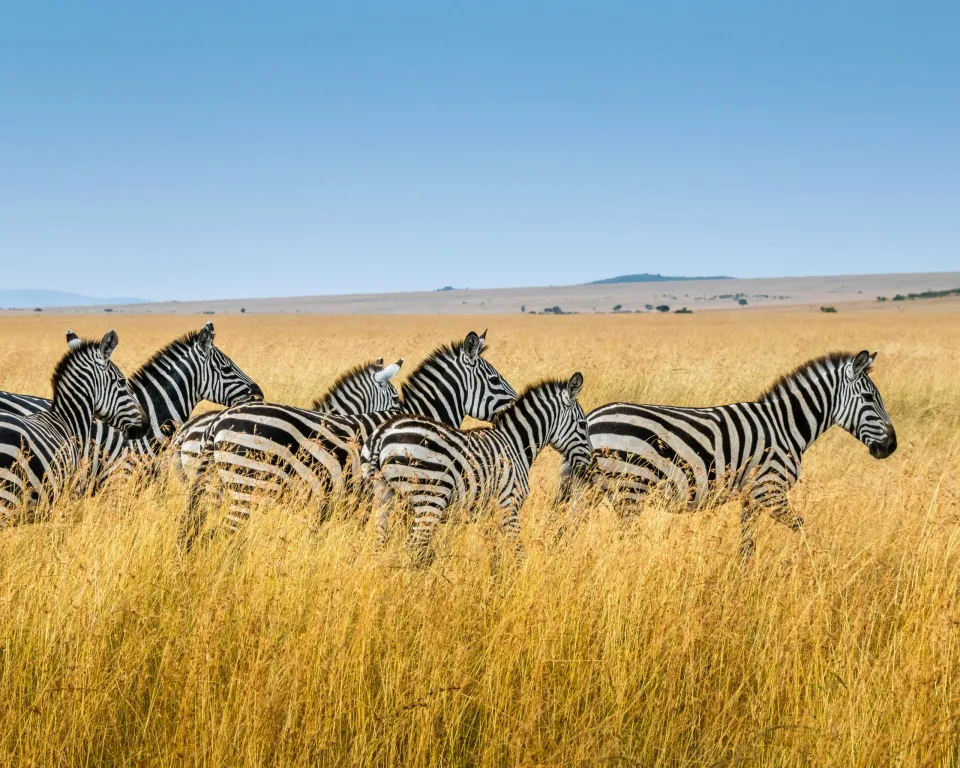
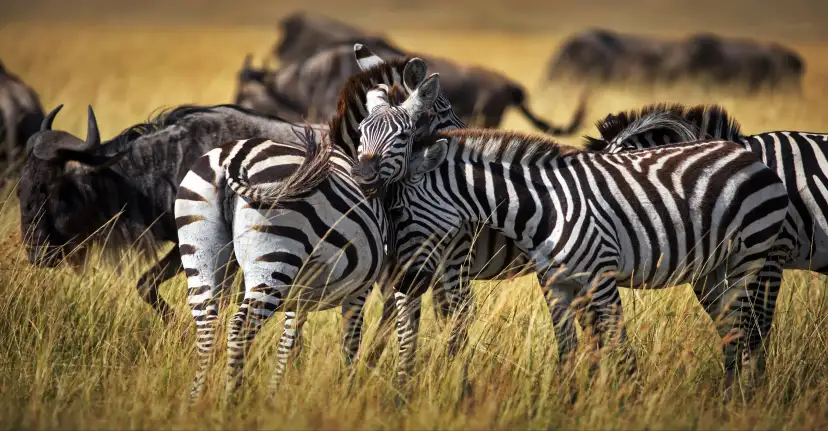
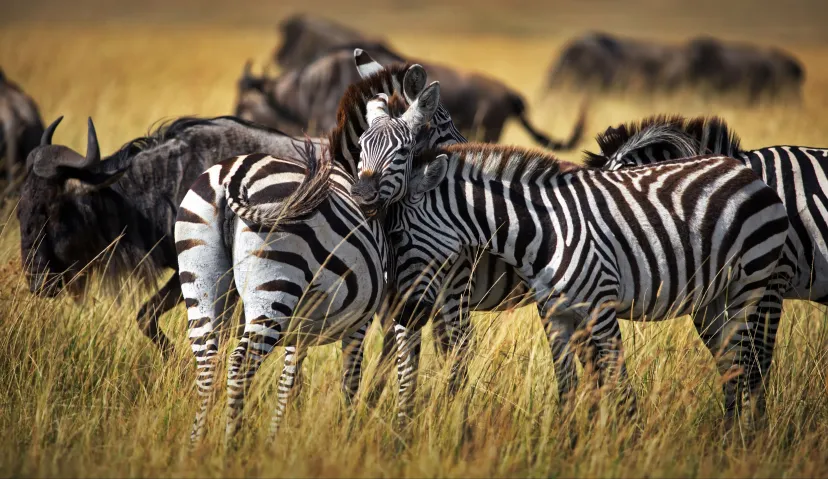
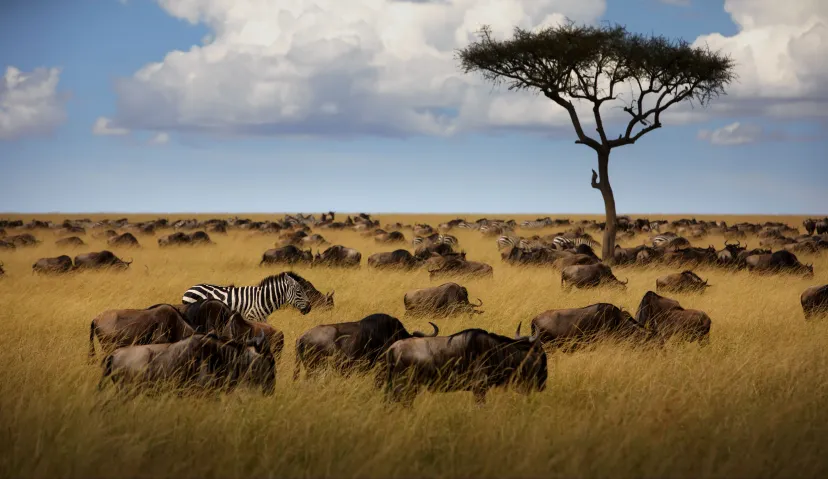
The Great Migration is one of Africa's most remarkable wildlife spectacles. Millions of wildebeest, accompanied by zebras and other grazing animals, move through the Serengeti ecosystem and into Kenya's Maasai Mara as they follow seasonal rainfall and fresh grass.
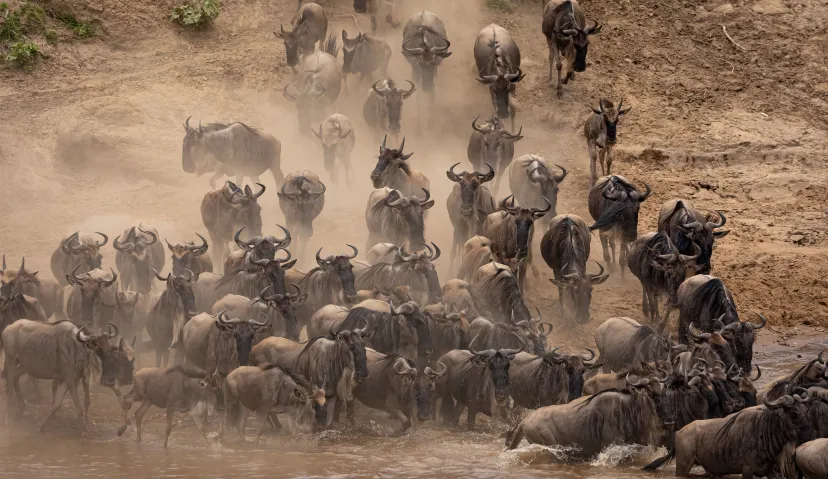
The northern Serengeti can provide opportunities to observe migration herds near the Mara River during parts of the year. However, animal movements and river crossings are unpredictable, so sightings cannot be guaranteed.
Explore Tarangire's baobab-dotted plains, Lake Manyara's forest and lakeshore habitats, the Serengeti's expansive grasslands, and the elevated volcanic scenery surrounding Ngorongoro Crater.
Capture elephants beneath baobabs, predators resting in the grass, grazing herds across open plains, and dramatic landscapes shaped by volcanic activity.
Beyond wildlife, the journey offers opportunities to learn about the natural environment and local cultures. Cultural visits can be considered where they fit the route and are arranged with the relevant communities.
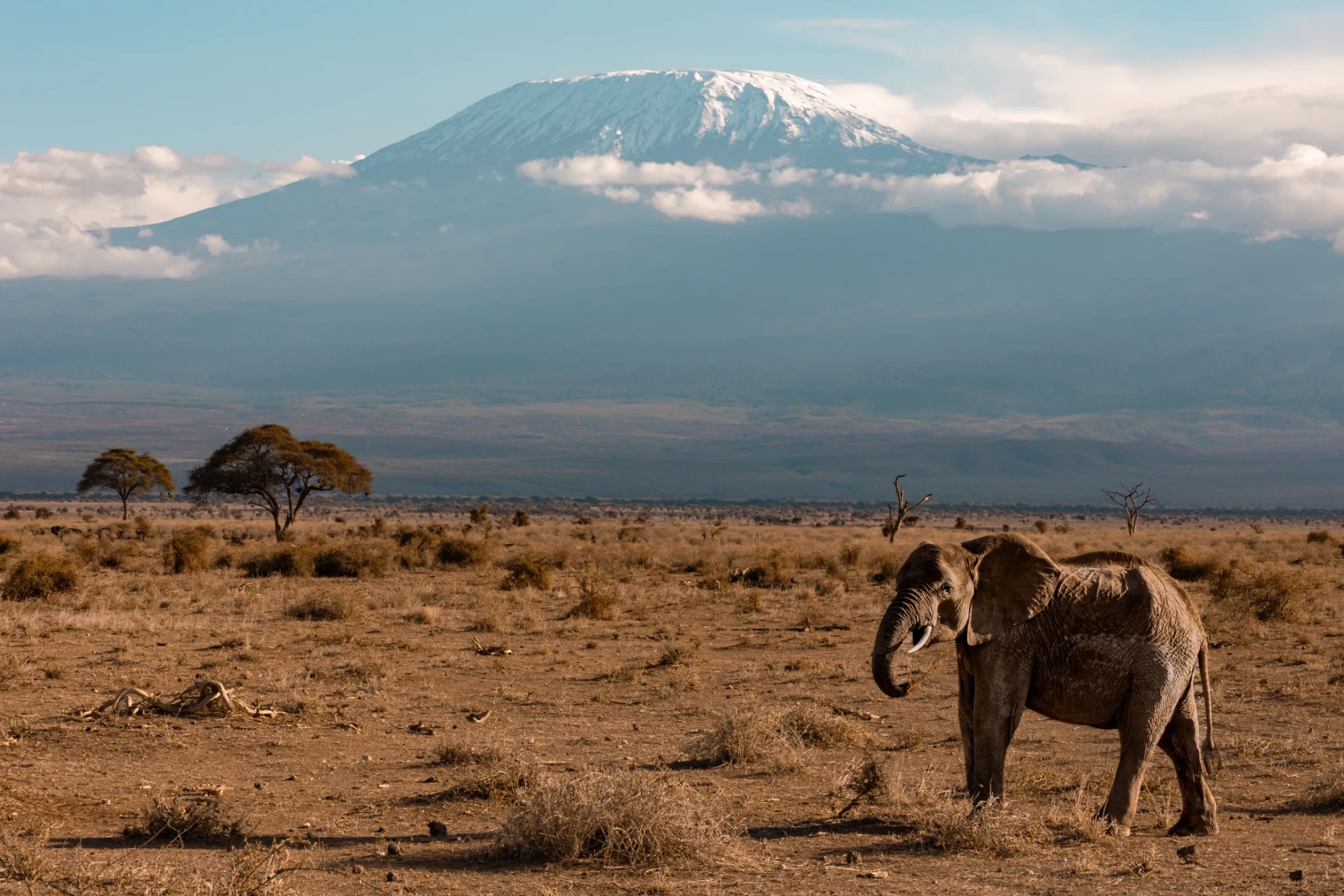
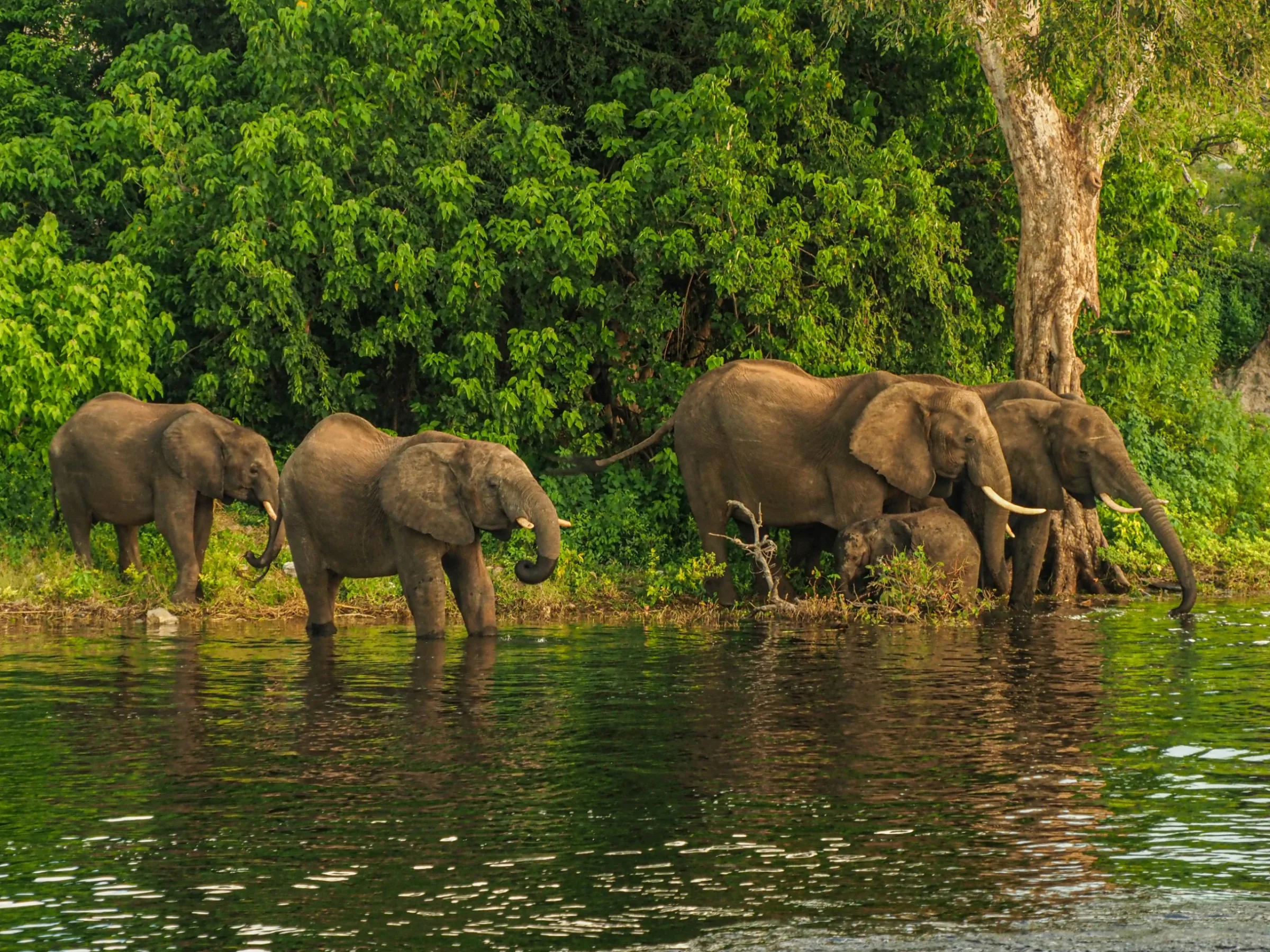
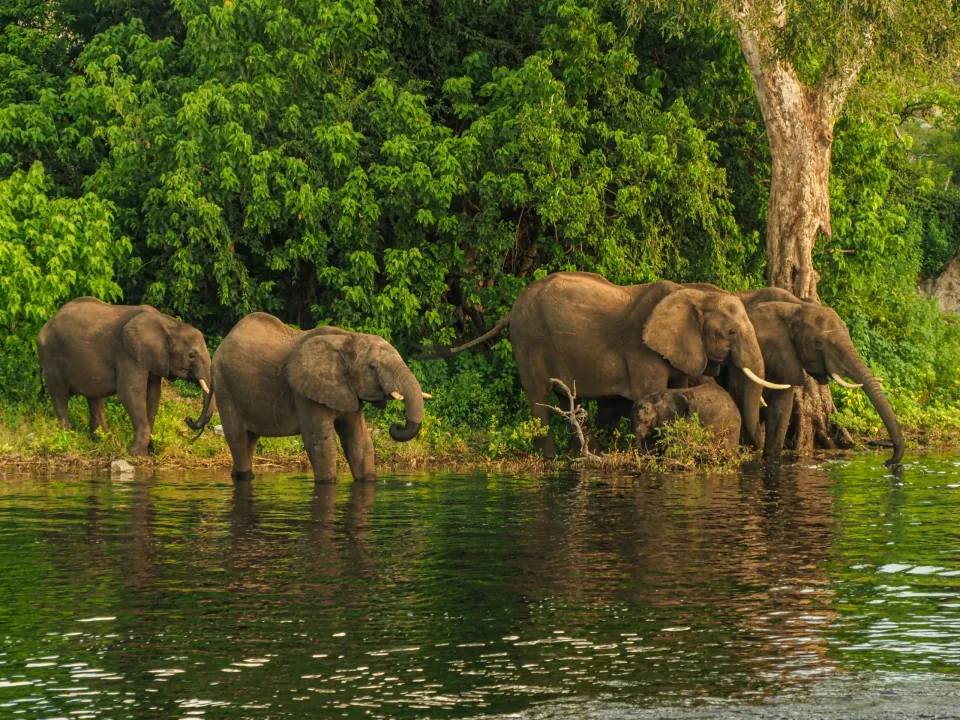
Tarangire National Park is one of Tanzania's outstanding wildlife destinations, particularly recognised for its large elephant populations, impressive baobab trees, and seasonal concentrations of animals. The Tarangire River provides an important water source, especially during the dry season.
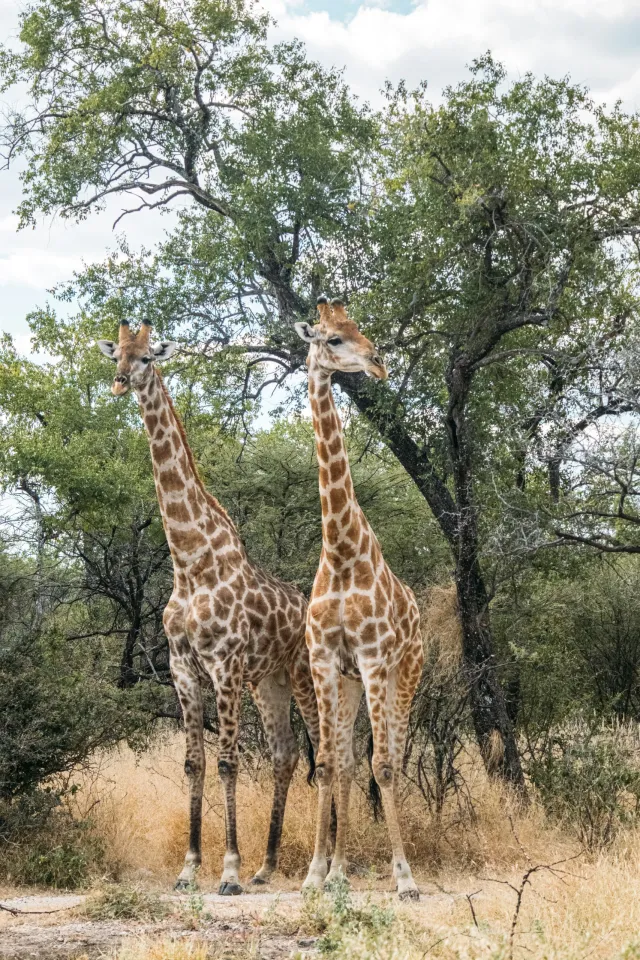
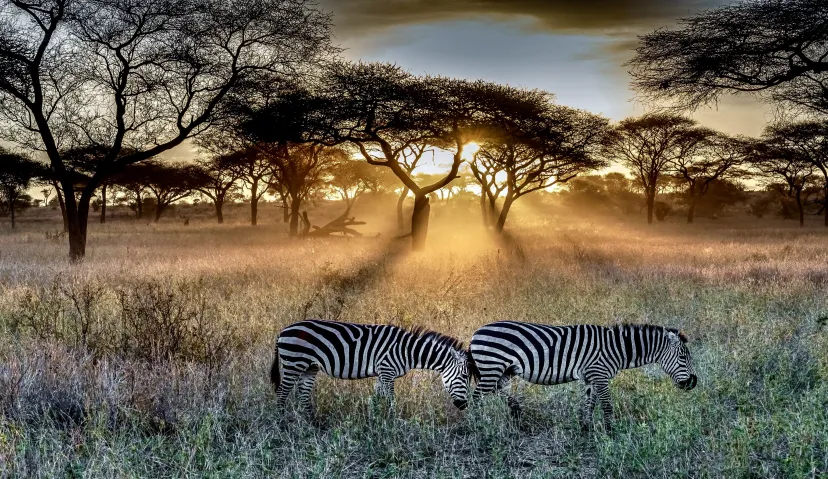
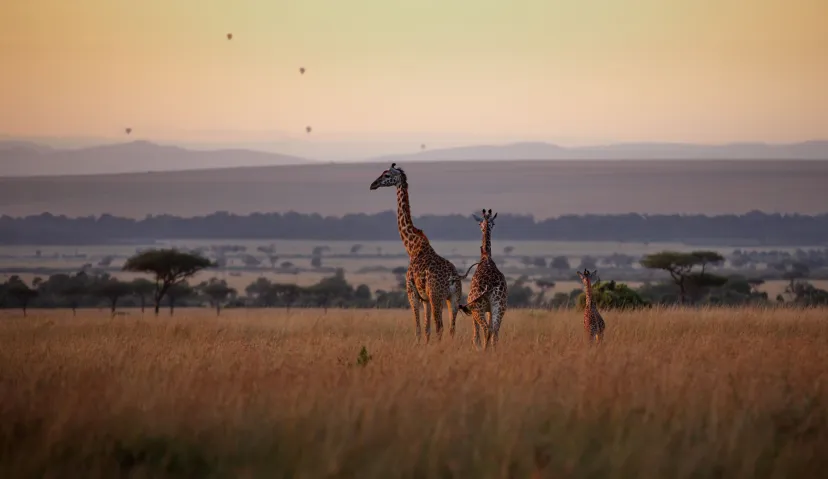
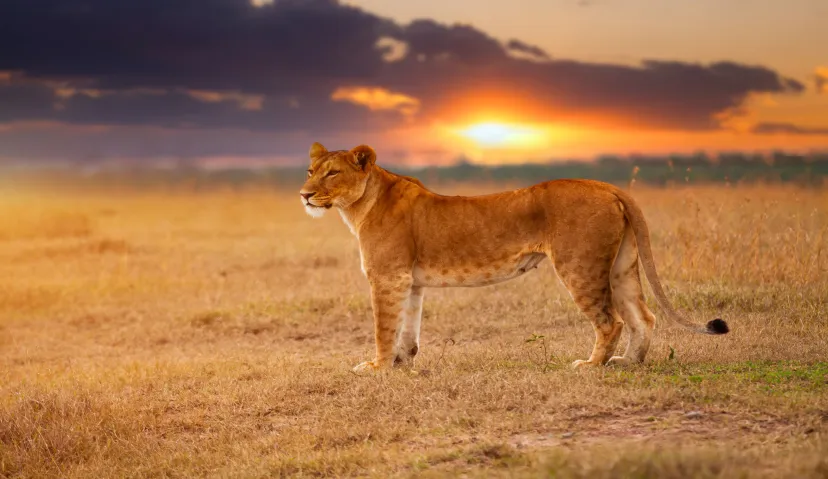
The park's landscape includes open grasslands, acacia woodland, seasonal swamps, and riverine habitats. These environments support elephants, giraffes, zebras, wildebeest, buffalo, and several antelope species. Lions are regularly sought during game drives, while leopards may also be encountered.
What to experience in Tarangire:
Tarangire is especially rewarding during the dry season, although wildlife viewing varies with rainfall, water availability, and animal movements.
Lake Manyara National Park offers a striking contrast to the open plains of the Serengeti. Situated beneath the Great Rift Valley escarpment, the park contains groundwater forests, woodland, open grassland, and lakeshore habitats.
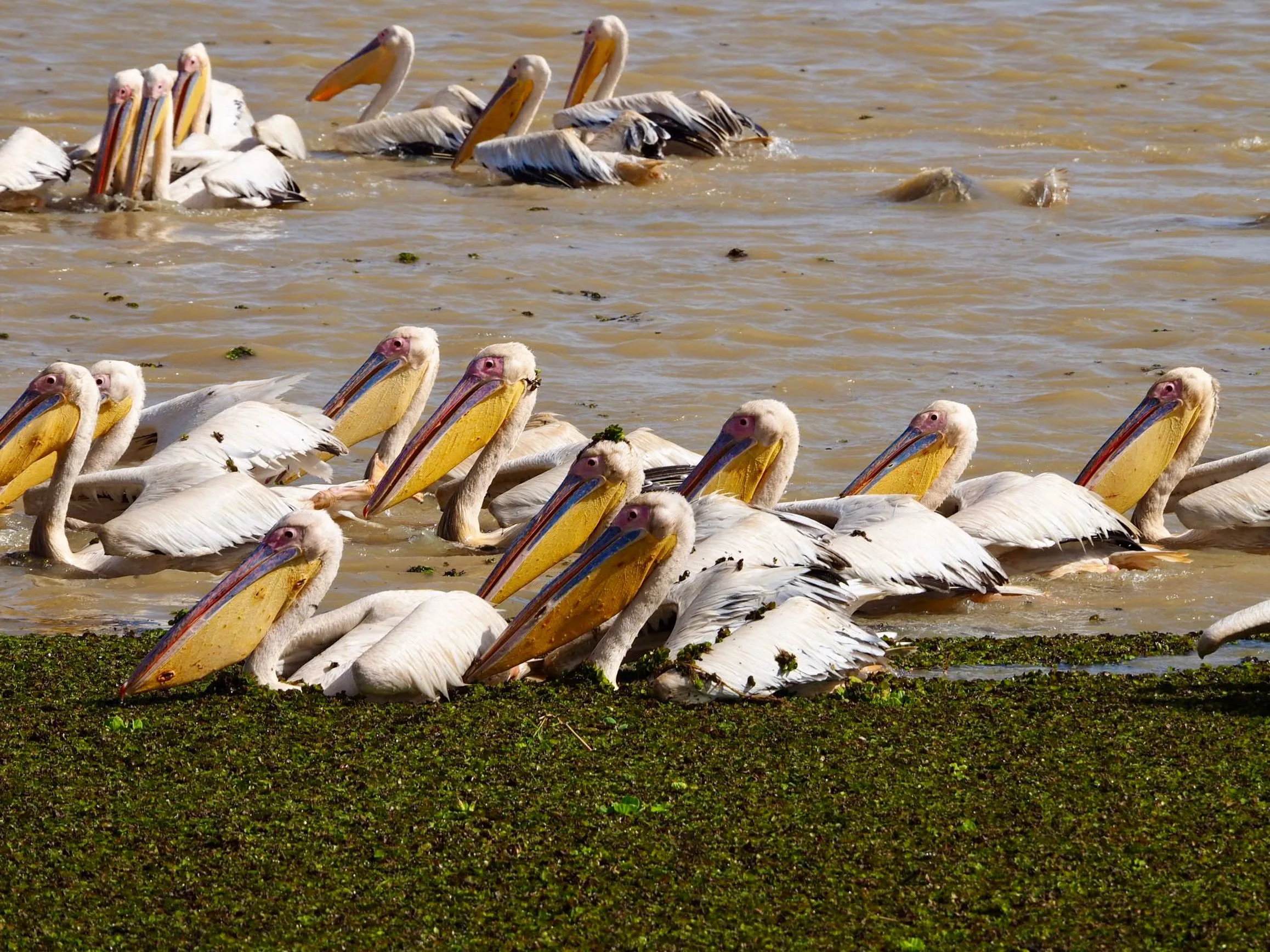
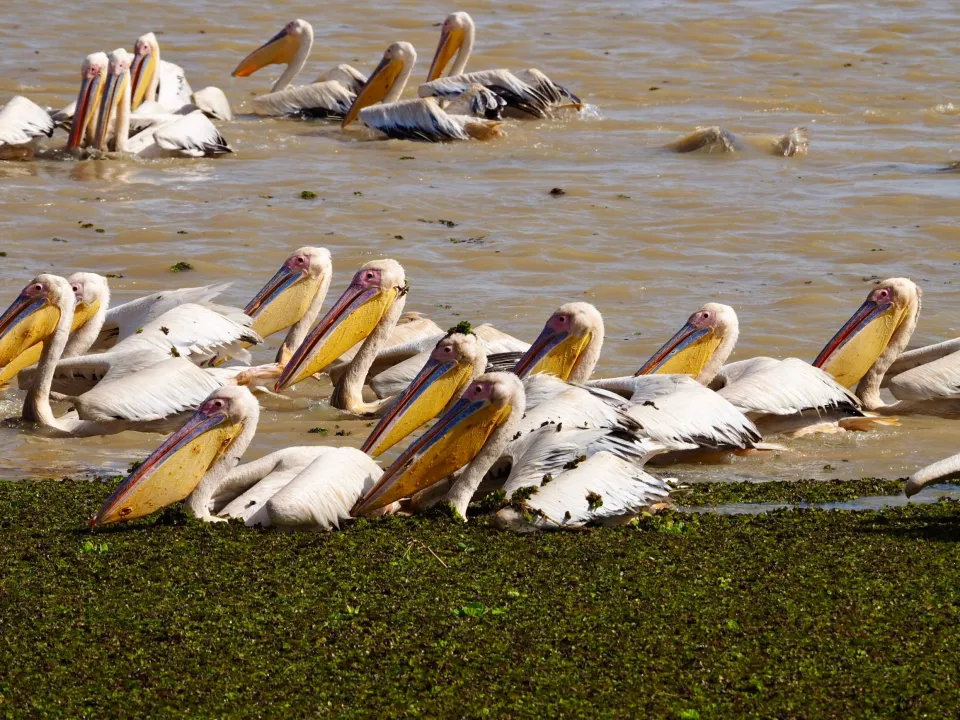
These varied environments support elephants, giraffes, zebras, baboons, and other wildlife. The lake can attract flamingos and other waterbirds when conditions are suitable. Lake Manyara is also associated with tree-climbing lions, although spotting this behaviour is never guaranteed.
What to experience at Lake Manyara:
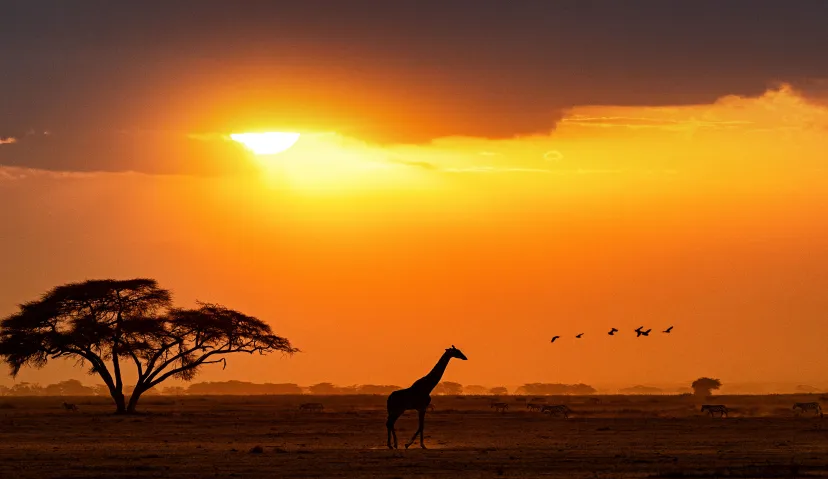
Serengeti National Park is one of Africa's most celebrated wildlife destinations. Its vast grasslands, abundant grazing animals, and predators make it a central part of Tanzania's safari experience.
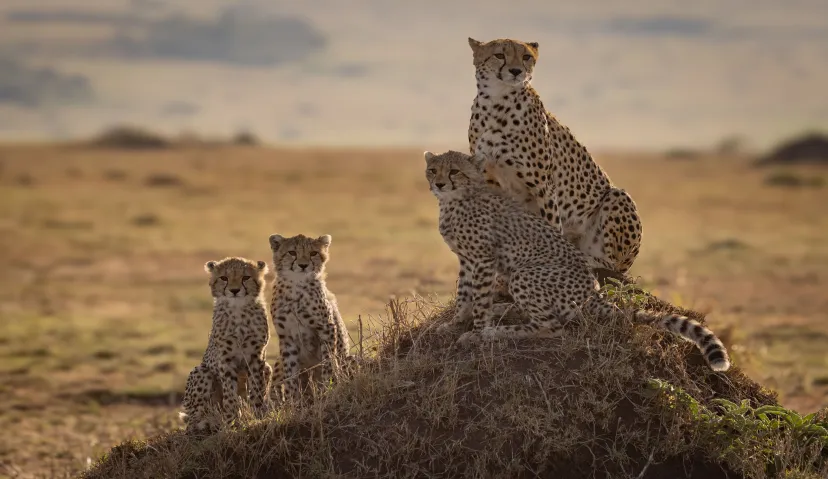
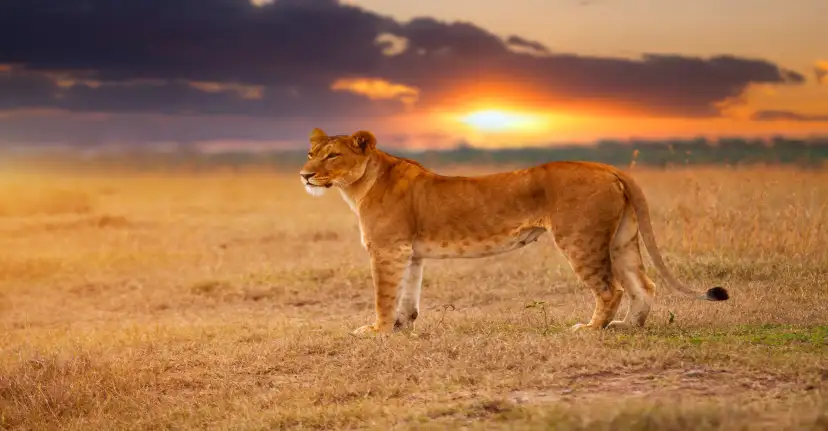
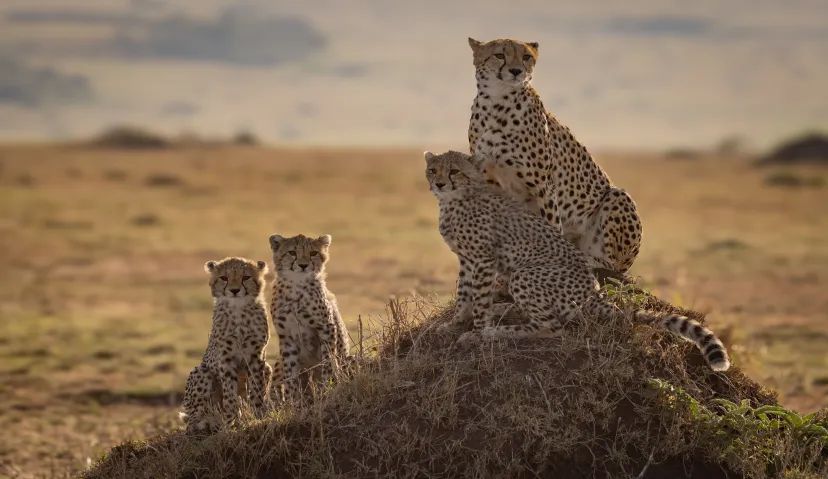
The park contains open plains, rocky kopjes, woodland, and river systems. Lions can often be found in suitable hunting territories, while cheetahs favour open areas. Leopards are more elusive and are frequently associated with wooded or rocky habitats.
The Serengeti is also the principal Tanzanian setting for the Great Migration, during which wildebeest and zebras move between seasonal grazing areas.
What to experience in the Serengeti:
The northern Serengeti is an important seasonal destination for travellers interested in the Great Migration. Its open landscapes, rolling hills, and riverine habitats can provide opportunities to search for wildebeest and zebra herds when they move through the region.
During suitable periods, migration animals may approach or cross the Mara River. These events depend on natural conditions and cannot be predicted precisely. Herds may remain in one area, move quickly, or change direction according to rainfall and grazing.
What to experience in the northern Serengeti:
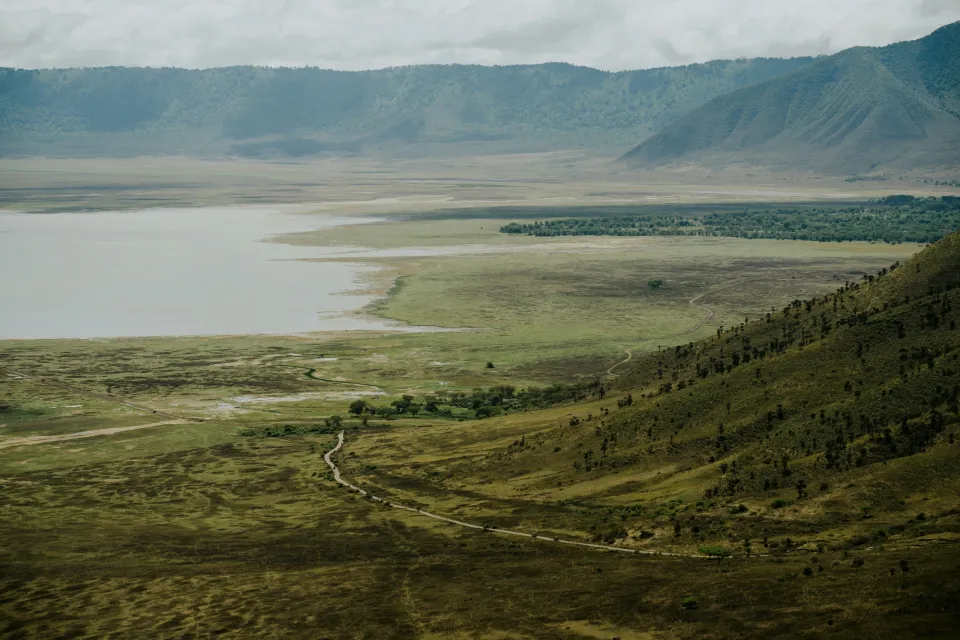
The Ngorongoro Conservation Area is known for its spectacular highland scenery, volcanic landscapes, and diverse wildlife. Its centrepiece, Ngorongoro Crater, is a vast volcanic caldera supporting a wide variety of animals.
The crater floor contains grassland, woodland, freshwater areas, and other habitats that attract grazing animals and predators. Wildlife commonly searched for includes zebras, wildebeest, buffalo, elephants, and lions. The area also supports the endangered black rhinoceros, although sightings are not guaranteed.
What to experience in Ngorongoro:
Tanzania's northern safari destinations support a remarkable variety of mammals and birds. During this journey, you may have opportunities to search for:
Wildlife sightings depend on natural conditions, and the presence of any particular species cannot be guaranteed.
Game drives are the main activity across the national parks and conservation areas. Travel through different habitats with a professional guide who can help identify wildlife, explain animal behaviour, and interpret the surrounding environment.
Explore migration regions according to your travel season. The northern Serengeti can be a good choice for travellers hoping to search for herds near the Mara River during suitable periods.
Photograph wildlife, landscapes, and changing light conditions. A camera with a zoom lens or binoculars can help you observe animals at a distance without disturbing them.
The combination of woodland, grassland, lakeshore, and riverine habitats supports diverse birdlife. Lake Manyara and the Serengeti ecosystem can be particularly interesting for birdwatchers.
A cultural visit may be arranged where appropriate, offering opportunities to learn about local traditions and ways of life. Activities and travel time should be confirmed before the visit is included in the final package.
The best time for this safari depends on your preferred migration experience and the locations you want to explore.
The southern Serengeti and neighbouring Ndutu area can offer opportunities to see large concentrations of wildebeest and newborn calves, depending on rainfall and herd movements.
Rainfall can influence road conditions and animal movements. Herds may move through central and western parts of the ecosystem, although their precise locations vary from year to year.
Depending on conditions, migration herds may move through the western Serengeti and other transitional areas. Travellers should select locations based on current seasonal information.
The northern Serengeti can provide opportunities to search for herds near the Mara River. This period is popular with travellers hoping to see river crossings, but the timing and location of crossings are unpredictable.
As seasonal rains develop, herds often begin moving toward eastern and southern grazing areas. The exact pattern depends on rainfall and the availability of fresh grass.
Planning tip: Choose travel dates first, then confirm the route and accommodation locations according to the most recent seasonal information. The Great Migration is a natural event, not a scheduled attraction.
Accommodation for this 15-day safari can be selected to match your preferred comfort level, budget, and seasonal travel plans. Options may include safari lodges, tented camps, and camps positioned near key wildlife-viewing areas.
Spending several nights in the Serengeti can provide more time to explore the ecosystem. During migration season, accommodation in the relevant region can help reduce unnecessary travel and improve access to areas where herds may be present.
Accommodation availability, camp locations, room categories, and meal arrangements vary by date and must be confirmed before booking. Specific properties should only be named once their suitability and availability have been checked.
Arusha is a major gateway for safaris in northern Tanzania and provides access to Tarangire, Lake Manyara, Serengeti, and Ngorongoro.
International travellers commonly arrive through Kilimanjaro International Airport, depending on their flight arrangements. Airport transfers and the start of the safari should be coordinated with the final booking plan.
Travel between destinations is generally by safari vehicle, with journey times depending on the route, road conditions, wildlife stops, and seasonal weather. Optional domestic flights may reduce driving time but must be arranged separately if not included in the confirmed package.
A 15-day safari offers an extended opportunity to explore several northern Tanzania destinations and spend substantial time in the Serengeti ecosystem. The final route should balance driving time, wildlife-viewing opportunities, seasonal migration movements, and accommodation locations.
Observe animals from a respectful distance and follow your guide's instructions. Avoid feeding wildlife, making excessive noise, or encouraging drivers to disturb animals for photographs. Responsible travel helps protect the wildlife and natural environments that make Tanzania special.
Discover the extraordinary wildlife and landscapes of Tanzania with Watoto Wa Bingwa Safaris & Tours. From Tarangire's iconic elephants and baobabs to the vast Serengeti plains and the dramatic Ngorongoro Crater, this 15-day adventure offers a rich exploration of northern Tanzania's most celebrated safari destinations.
Whether your priority is searching for the Great Migration, photographing African wildlife, discovering diverse ecosystems, or experiencing the natural beauty of Tanzania, your travel dates and route can be considered to create a safari that suits your interests.
Contact Watoto Wa Bingwa Safaris & Tours to discuss your preferred travel dates and plan your Great Migration safari in Tanzania.
Spend several nights exploring Central and Northern Serengeti, renowned for breathtaking landscapes and incredible wildlife encounters. Enjoy exciting game drives and seasonal opportunities to witness the Great Migration, including possible Mara River crossings.
during migration season, where vast herds of wildebeest and zebras move across the plains. Enjoy thrilling wildlife encounters and possible Mara River crossings, which are unpredictable and not guaranteed.
Witness vast herds of wildebeest and zebras moving across the Serengeti plains during migration season. Enjoy unforgettable wildlife encounters and the chance to see dramatic Mara River crossings.
Explore the spectacular Ngorongoro Crater, a UNESCO World Heritage Site renowned for its breathtaking scenery and rich wildlife. Enjoy a memorable game drive with opportunities to spot lions, elephants, buffaloes, and the endangered black rhinoceros.
On this route
Upon arrival at Kilimanjaro International Airport or Arusha Airport, you will be welcomed by a Watoto Wa Bingwa Safaris & Tours representative and transferred to your hotel in Arusha. This first day is intentionally relaxed so you can recover from your flight and settle into Tanzania before the safari begins. Depending on your arrival time, you may rest at the hotel, meet your guide for a short safari briefing or enjoy a quiet dinner. Arusha is the main gateway to northern Tanzania’s safari circuit, making it the perfect starting point for a Great Migration journey.
After breakfast, your safari officially begins with a drive toward Tarangire National Park. Tarangire is known for its large elephant herds, ancient baobab trees and wildlife gathering around the Tarangire River during the dry season. Your first game drive introduces you to northern Tanzania’s landscapes and wildlife at a comfortable pace. You may see elephants, giraffes, zebras, wildebeest, buffalo, impala, warthogs, lions and many bird species. The park has a wild and atmospheric feeling, making it a beautiful first safari experience before the Serengeti section later in the journey
This morning, you may enjoy a short final game drive in Tarangire before continuing toward the Great Rift Valley and the Lake Manyara or Karatu area. Depending on final routing, you may visit Lake Manyara National Park or enjoy a slower transfer through the highlands. Lake Manyara is known for groundwater forest, birdlife, monkeys, elephants and beautiful Rift Valley scenery, while Karatu offers farms, gardens and cooler highland air. This overnight stop breaks the route nicely and positions you well for the journey into the Serengeti.
After breakfast, depart toward Serengeti National Park. The journey may pass through the Ngorongoro Conservation Area before the landscape opens into the famous Serengeti plains. This is one of the most exciting transition days of the safari because the scenery changes dramatically as you move from highland country toward open savanna. Depending on timing and wildlife movement, you may enjoy game viewing en route before reaching Central Serengeti. Central Serengeti is one of Tanzania’s most reliable wildlife regions, especially for big cats and year-round game viewing.
Today is dedicated to exploring Central Serengeti. Your guide may recommend an early start because mornings often bring cooler temperatures, soft light and better predator activity. The Seronera region is known for permanent water sources, riverine areas, kopjes and open plains that support strong wildlife throughout the year. You may search for lions resting on rocks, leopards in trees, cheetahs scanning the plains, elephants, giraffes, hippos, hyenas and large herds of plains game. A full day here allows you to slow down, follow tracks, wait at sightings and enjoy photography without feeling rushed.
A second full day in Central Serengeti gives the itinerary more depth and flexibility. Wildlife sightings change from day to day, so this extra time increases your chances of meaningful encounters. Your guide can explore different valleys, kopjes, river systems and open plains depending on recent activity. This day can be adjusted for your interests: big-cat tracking, photography, birding, relaxed game viewing or spending longer at high-quality sightings. In the evening, return to camp for dinner and another night in the heart of the Serengeti.
After breakfast, begin the journey from Central Serengeti to the Northern Serengeti. This is a full safari day with game viewing en route as you move through changing Serengeti habitats. The Northern Serengeti is one of the most important areas for Great Migration safaris during the Mara River season, generally associated with the period from July to October depending on rainfall and herd movement. River crossings are natural events and cannot be scheduled, but reaching the north gives travelers one of the best opportunities to search for migration herds during the right season.
Today is dedicated to exploring the Northern Serengeti. Your guide will plan the route based on current wildlife movement, local conditions and your interests. The Mara River area is famous for dramatic migration scenes, but patience is important. Some days may bring huge herds gathering near crossing points, while other days may focus on lions, leopards, elephants, crocodiles, hippos and beautiful northern landscapes. A packed lunch is recommended so you can stay out longer and avoid missing wildlife movement during the middle of the day
Enjoy another full day in the Northern Serengeti. This extra time is one of the strongest parts of the itinerary because migration viewing works best with patience. If the herds are nearby, your guide can spend time observing movement and waiting carefully. If the herds are spread out, the day can focus on resident wildlife and quieter scenic areas away from the busiest crossing points. The Northern Serengeti can feel remote, open and wild, giving travelers a deeper safari atmosphere than shorter routes allow.
This is your final full day in the Northern Serengeti and another opportunity to search for migration activity. Your guide may revisit productive areas, follow recent reports or explore a different section of the region. The goal is not only to chase one event, but to experience the broader drama of the ecosystem: herds on the move, predators watching, crocodiles near the river, elephants in the valleys and the changing light across the northern plains. Returning to camp in the evening, you will have time to reflect on the strongest migration moments of the safari.
After breakfast, begin the long scenic journey south through the Serengeti. This is a travel day, but it remains part of the safari because the drive passes through active wildlife areas. Your guide will balance distance with game viewing, stopping when there are strong sightings along the route. Depending on the final accommodation plan, you may overnight in Central Serengeti, southern Serengeti plains or another suitable transit point. This day gradually positions you closer to the Ngorongoro area while still allowing the Serengeti experience to continue.
Today you leave the Serengeti and continue toward the Ngorongoro area. The route may pass through open plains, Maasai landscapes and the Ngorongoro Conservation Area. Depending on timing, you may enjoy game viewing along the way before reaching your lodge near the crater or in Karatu. This overnight stop places you well for the next day’s Ngorongoro Crater experience. The evening is for relaxing after several intensive Serengeti days and preparing for one of Tanzania’s most iconic wildlife locations.
After an early breakfast, descend into the Ngorongoro Crater for a game drive. The crater is famous for dramatic scenery and a high concentration of wildlife within a compact area. You may see lions, buffalo, zebras, wildebeest, hippos, hyenas, elephants and, with luck, black rhino. After the crater experience, the afternoon can be adjusted depending on timing: return to the lodge, visit a cultural experience near Karatu or continue toward Lake Eyasi for an optional cultural extension. This day adds variety after the open Serengeti plains.
Today you drive back toward Arusha at a relaxed pace. If the final routing includes Lake Eyasi, the morning may include a cultural visit with local communities, depending on availability and ethical arrangements. Alternatively, you may enjoy a slow breakfast and scenic drive through the highlands, with time for viewpoints, markets or souvenir stops if appropriate. Arriving in Arusha, you can rest at your hotel and enjoy the final evening of your Tanzania journey.
After breakfast, you will be transferred to Kilimanjaro International Airport or Arusha Airport for your onward flight. Depending on your flight schedule, there may be time for a relaxed morning, optional shopping or a short town stop before departure. This marks the end of your 15 Days Great Migration Safari with Watoto Wa Bingwa Safaris & Tours.
No payment is taken online. We confirm availability, the children's ages and the final price with you.
5/5 Excellent fit
4/5 Very good fit
5/5 Excellent fit
Private group
Easy
4 and over
2 – 20 travellers
15 Days
Jan – Feb, Jun – Oct
Children aged 4 and under travel free. Add each child's age in the price calculator and we confirm the ages when you book.
Wildlife Safaris
Important: Peak means excellent safari conditions or seasonal wildlife opportunities, not a guarantee of seeing the migration. The best region changes throughout the year.
More about Serengeti National Park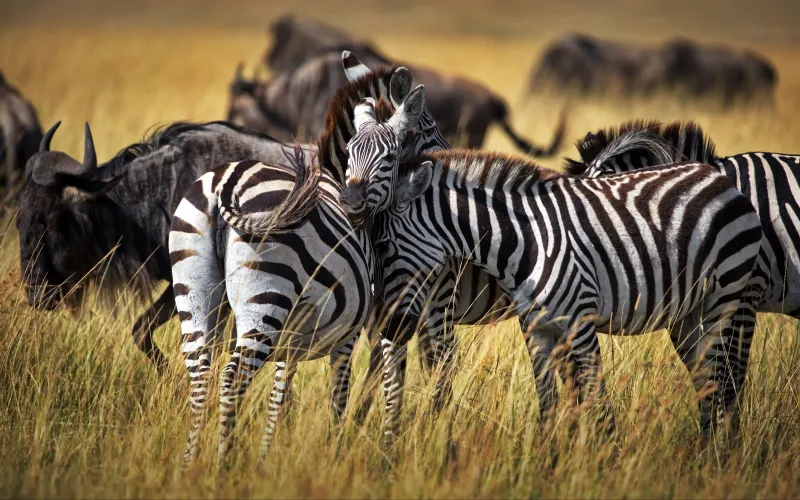
Born and raised near the Serengeti, Juma has over a decade of field experience guiding international travelers across the Northern Safari Circuit. He is an expert tracker with deep knowledge of animal behavior, birding, and African ecology
No reviews yet for this tour. Travelled with us? Add yours below.
• Airport transfers in Arusha or Kilimanjaro International Airport; • Meals as per confirmed itinerary.; • Private 4x4 safari vehicle with pop-up roof during the safari; • Park fees and conservation fees for included parks and areas.; and more. See the full list above.
• International flights; • Travel insurance.; • Tanzania visa fees.; • Tips for safari guide, hotel staff and porters.; and more. See the full list above.
This tour runs with 2 – 20 travellers.
The best months for Serengeti National Park are Jan – Feb, Jun – Oct. Important: Peak means excellent safari conditions or seasonal wildlife opportunities, not a guarantee of seeing the migration. The best region changes throughout the year.
Yes, this itinerary is strongest when positioned for the Northern Serengeti migration season, usually associated with July to October. However, river crossings are natural events and cannot be guaranteed.
Great Migration safaris need time. Multiple Serengeti nights give your guide more flexibility to follow wildlife movement, avoid rushing and improve your chances of strong sightings.
Yes. Accommodation level, routing, number of Serengeti nights, cultural activities and travel style can be adjusted based on budget, season and guest interests.
Send an enquiry with your dates and the number of travellers. Our team confirms availability and the final price. No payment is taken online.
Yes. Download the sample quote for an indicative price, then send an enquiry for your own.
Wildlife Safaris
Immerse yourself in the heart of Africa with our 3-Day Classic Serengeti Wildlife Safari. Journey across the legendary e...
From $1,850,000 per adult
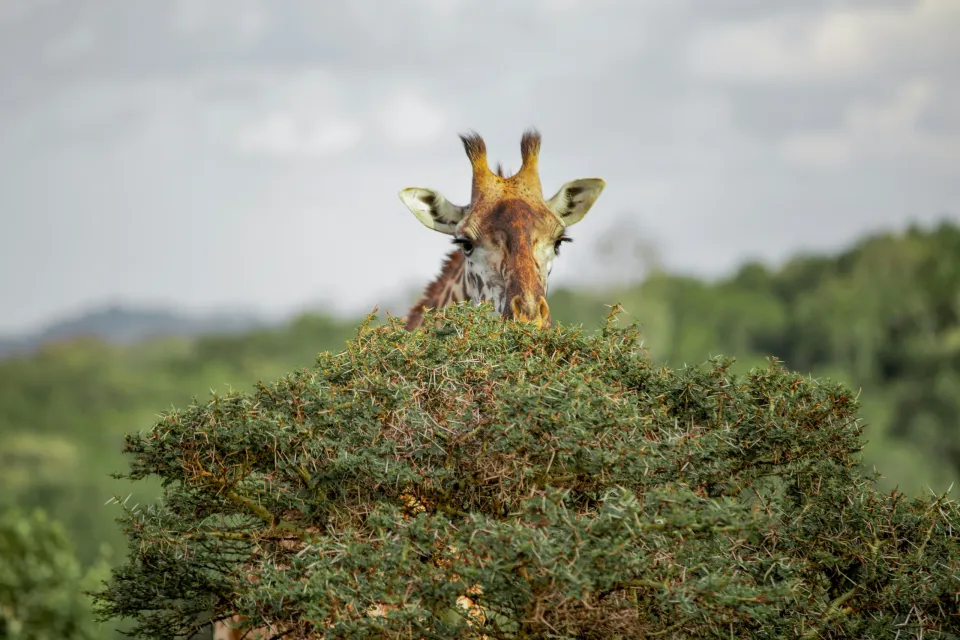 Wildlife Safaris
Arusha National Park
This 8 Days Tanzania Safari is designed for travellers who want a complete northern Tanzania safari experience with enou...
From $1,950 per adult
From $5,500 per adult
15 Days · 2 – 20 travellers
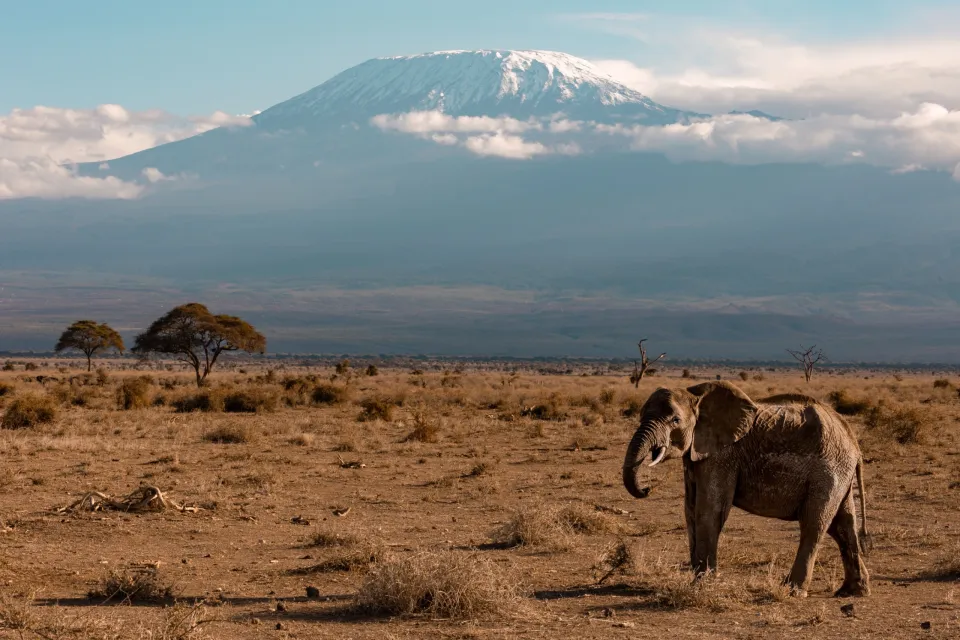


watotowabingwasafaris.com
Install Progressive Web Application
This site has app functionality. Install it on your device for extensive experience and easy access.