

- Best time
- Jan – Feb, Jun – Oct
- Area
- 14,763 km²
- Languages
- Swahili
- Currency
- TZS
About Serengeti National Park
Serengeti National Park is one of Tanzania's most celebrated wildlife destinations. Located in northern Tanzania, the park is known for its sweeping savannah, impressive populations of wild animals and the seasonal movements of the Great Wildebeest Migration.
Its landscapes extend beyond the open plains to include acacia woodland, rocky outcrops known as kopjes, rivers and patches of riverine forest. Together, these habitats support lions, leopards, cheetahs, elephants, giraffes, buffaloes and numerous grazing animals.
Whether you are visiting Tanzania for the first time or returning for a longer wildlife journey, the Serengeti offers opportunities for memorable game drives, wildlife photography and an appreciation of one of Africa's most important ecosystems.
The Serengeti is a place where vast landscapes, diverse wildlife and the changing seasons create a different safari experience throughout the year.
What to see and do
Where Is Serengeti National Park?
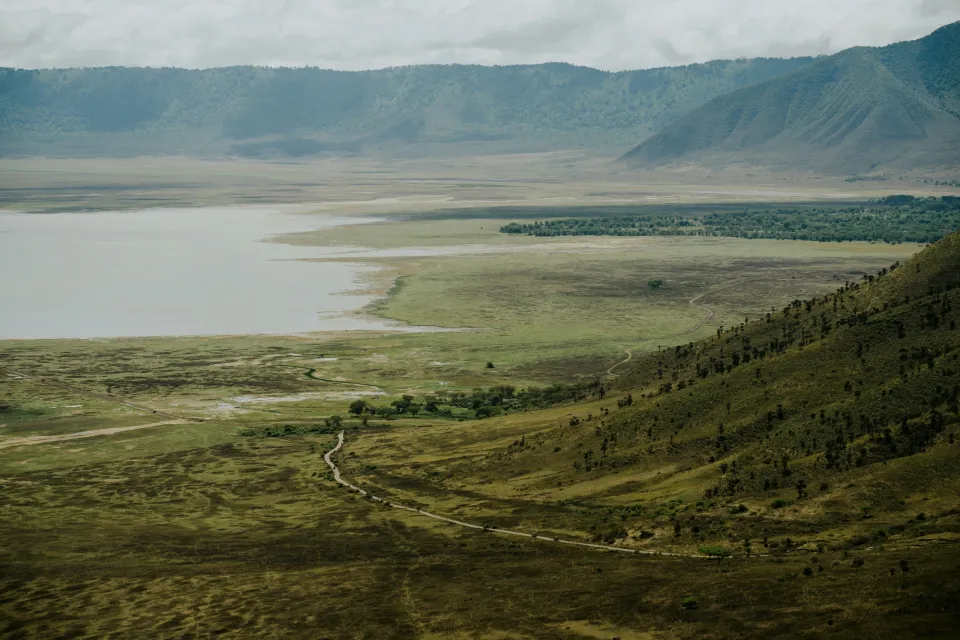
The Serengeti lies in northern Tanzania, northwest of the Ngorongoro Conservation Area.
Read moreShow less
The Serengeti lies in northern Tanzania, northwest of the Ngorongoro Conservation Area. Its broader ecosystem continues north into Kenya's Maasai Mara, allowing migratory herds to move across a large connected landscape.
Arusha is a common starting point for northern Tanzania safaris. Visitors usually travel to the park by road, often through the Ngorongoro highlands, or fly to an airstrip serving their chosen Serengeti region.
The name Serengeti is associated with the Maa expression Siringet, often understood as a place where the land stretches endlessly.
Why Visit the Serengeti?
Abundant wildlife: Encounter predators, elephants, giraffes, buffaloes, zebras and many other species in their natural habitat.
Read moreShow less
- Abundant wildlife: Encounter predators, elephants, giraffes, buffaloes, zebras and many other species in their natural habitat.
- Great Wildebeest Migration: See seasonal gatherings of migrating herds, with opportunities for calving-season viewing or river-crossing activity depending on the month.
- Varied landscapes: Explore grasslands, woodland, river valleys and granite kopjes rather than a single type of savannah.
- Year-round game viewing: Resident wildlife remains in parts of the Serengeti even when the largest migration herds are elsewhere.
- Photography opportunities: Open horizons and rich wildlife activity make the park especially appealing to nature photographers.
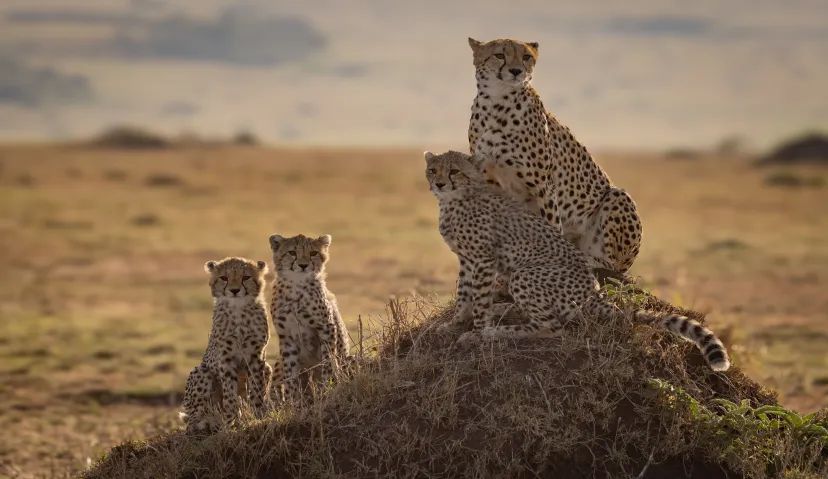
Lions, Leopards and Cheetahs
The Serengeti is particularly well known for its large carnivores. Lions may be seen resting around kopjes or moving through grassland, while…
Read moreShow less
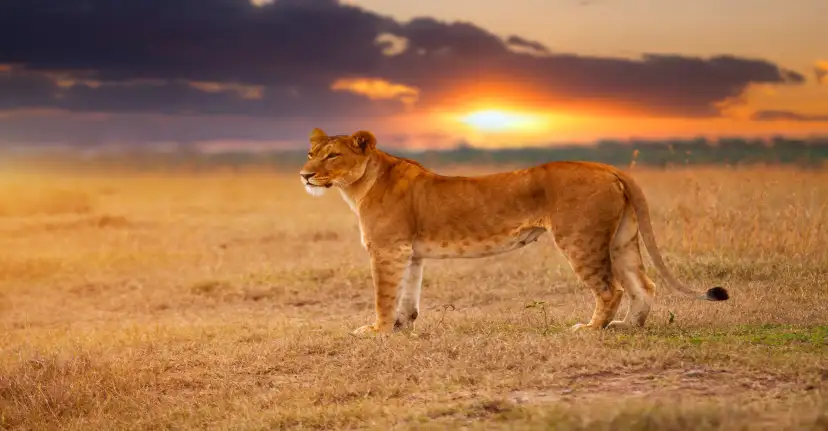
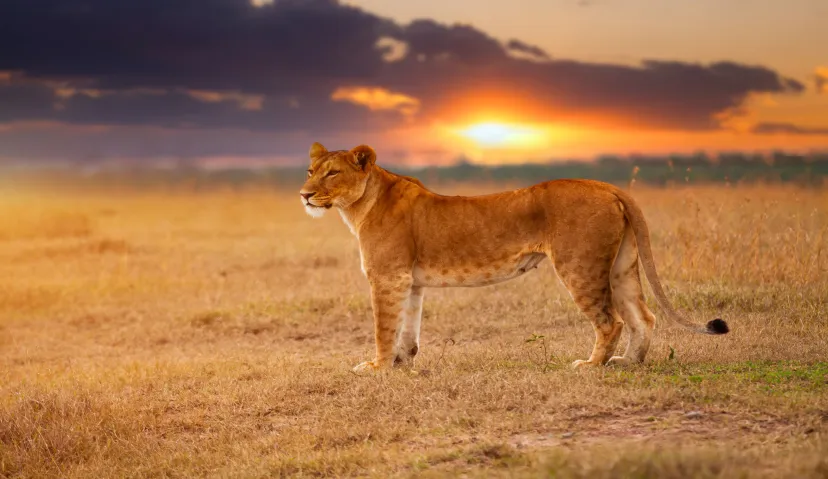
The Serengeti is particularly well known for its large carnivores. Lions may be seen resting around kopjes or moving through grassland, while leopards often favour trees and riverine cover. Cheetahs are associated with more open country, where they can scan for prey across the plains.
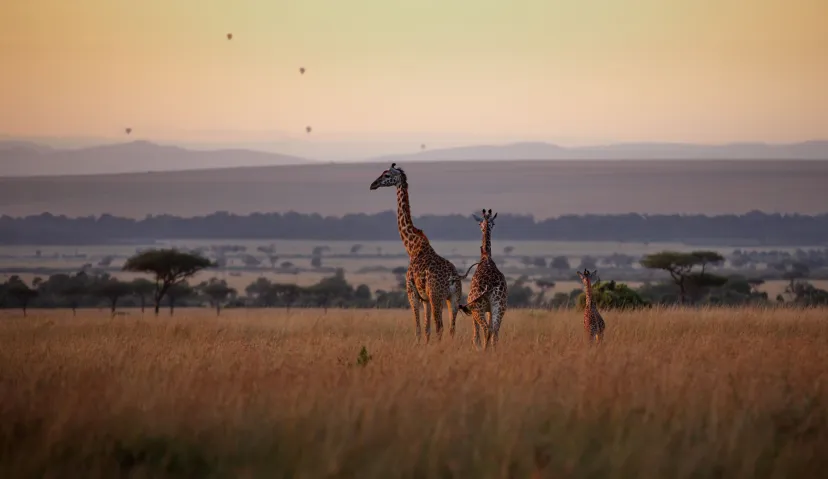
Elephants, Buffaloes and Giraffes
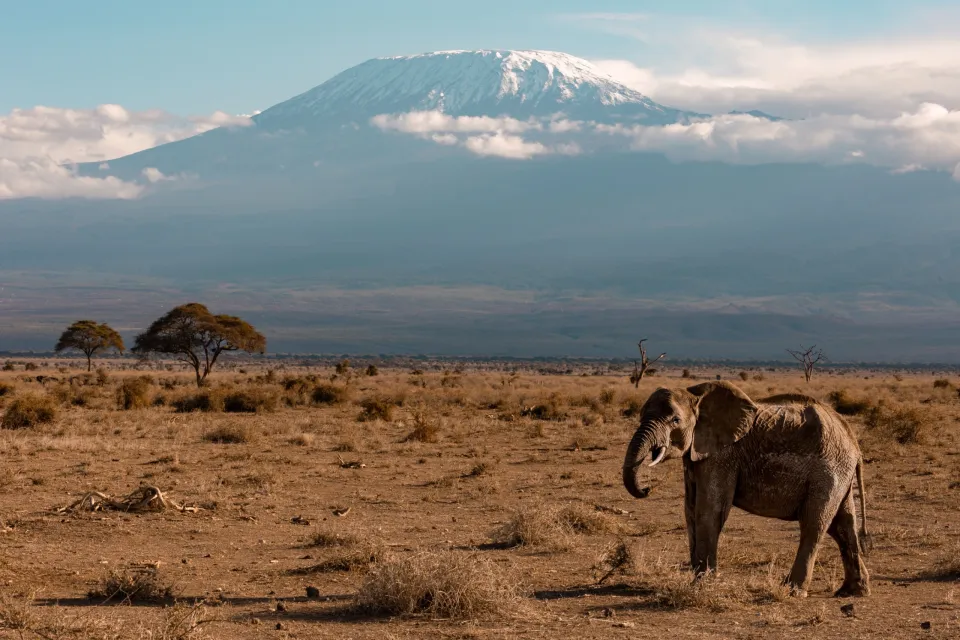
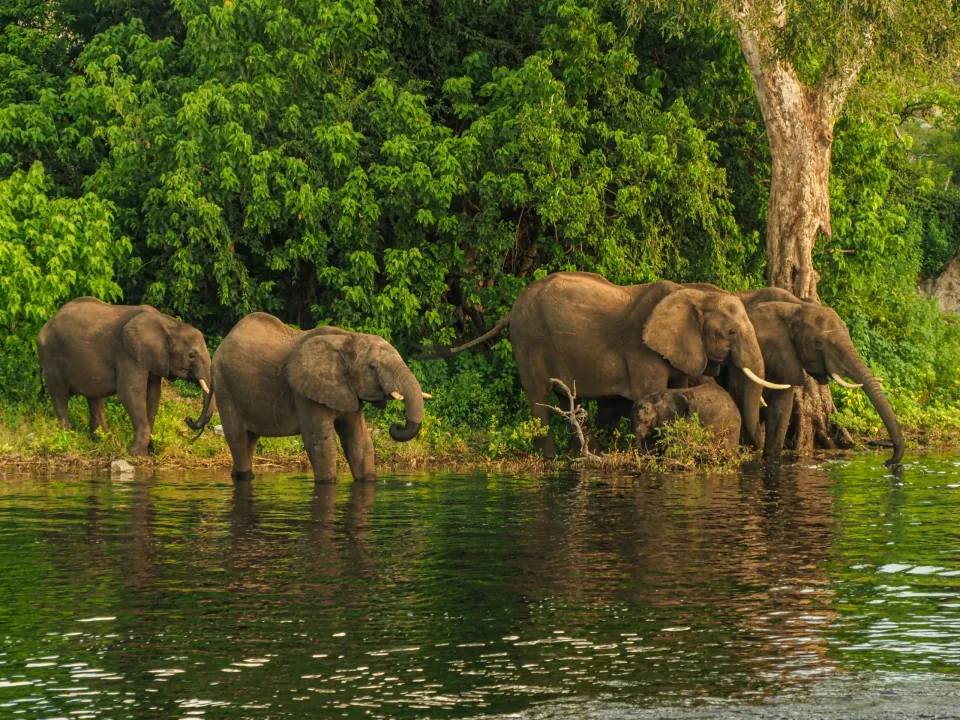
Elephants occur in several parts of the park, especially where woodland and water are available.
Read moreShow less
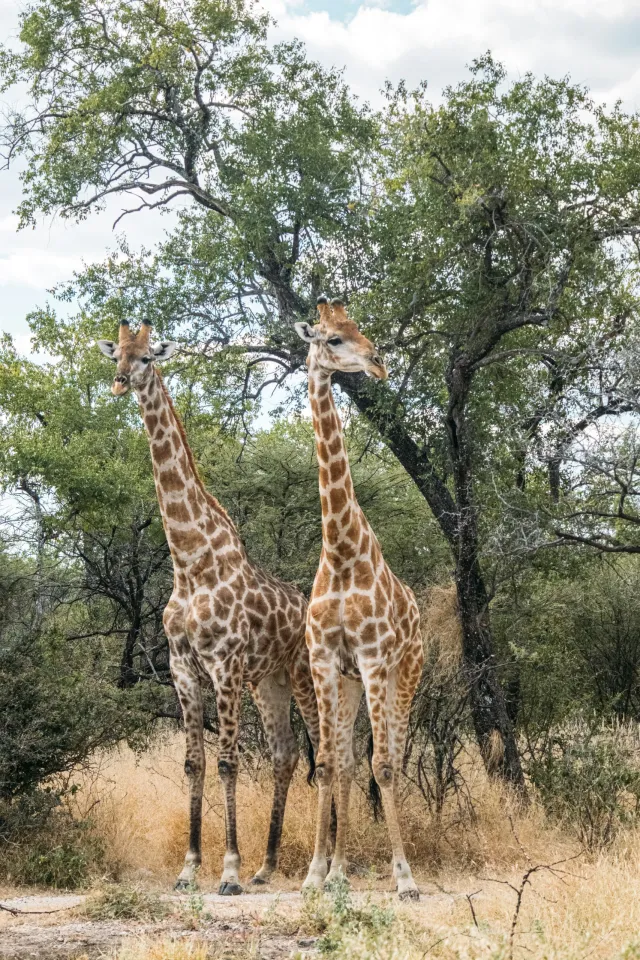
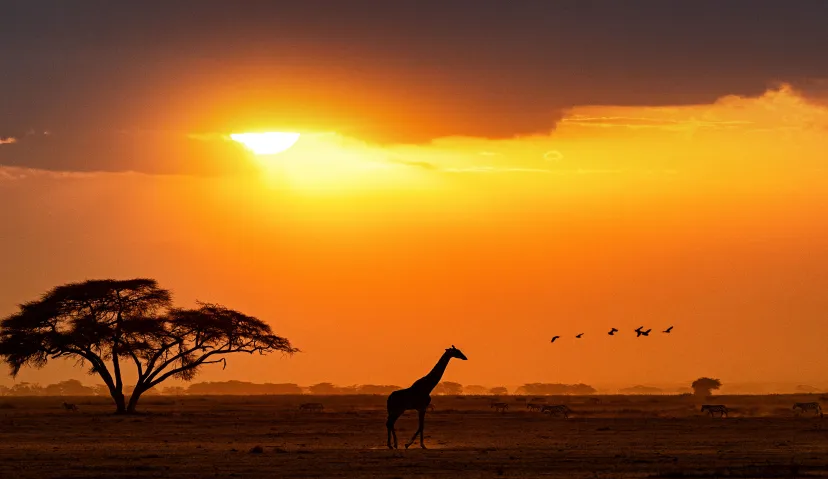
Elephants occur in several parts of the park, especially where woodland and water are available. Buffaloes may appear in sizable herds, while giraffes are often spotted browsing among acacia trees.
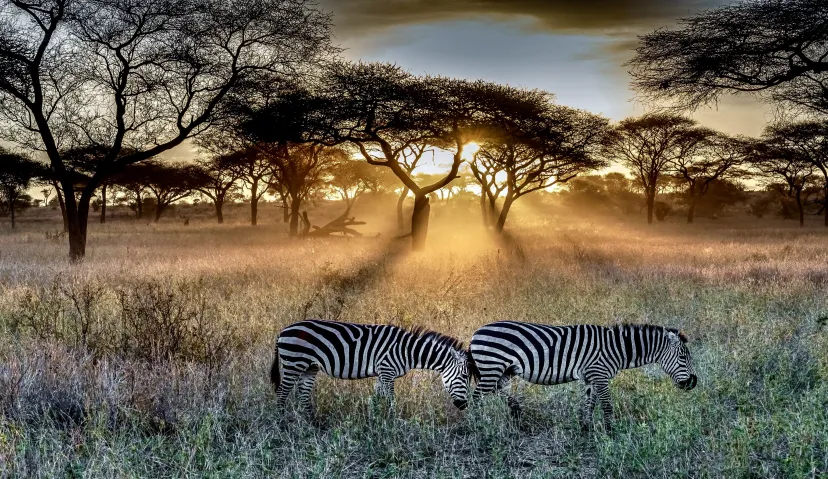
Wildebeest, Zebras and Antelopes
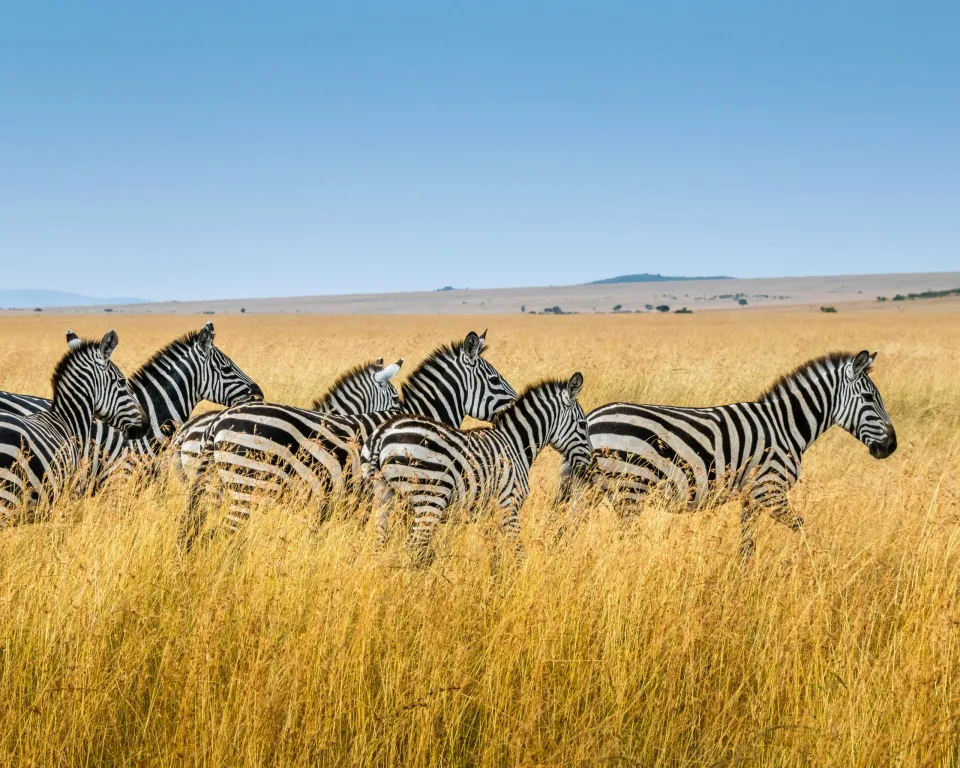
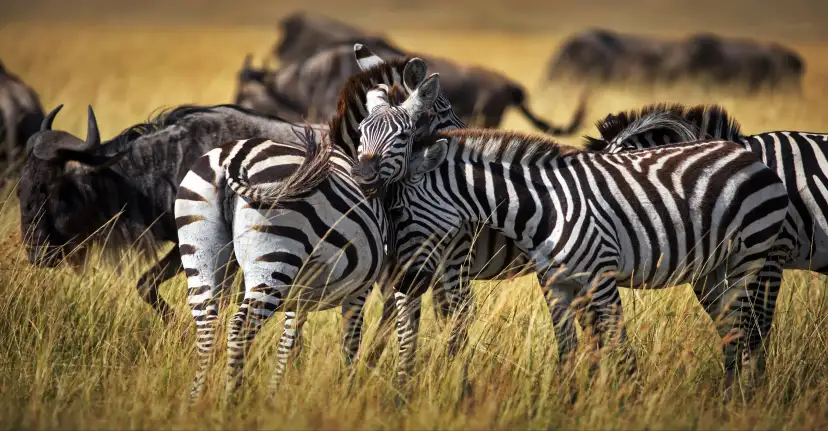
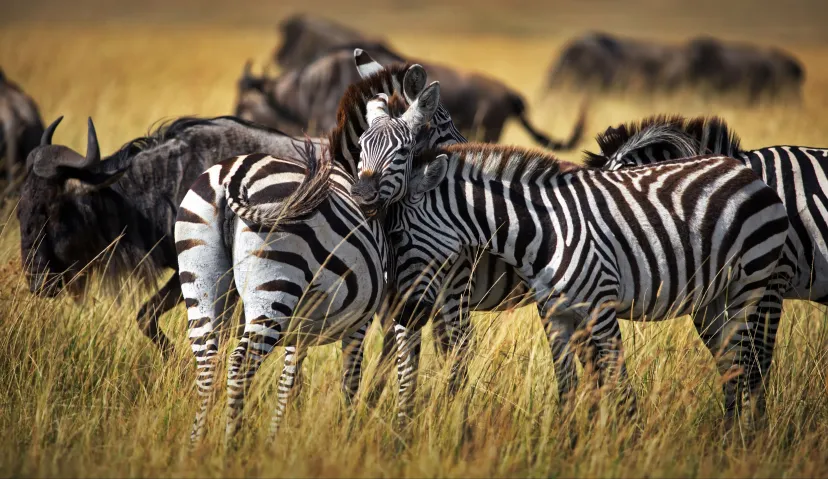
Wildebeest and zebras are closely associated with the migration, but many other grazing animals also live in the Serengeti.
Read moreShow less
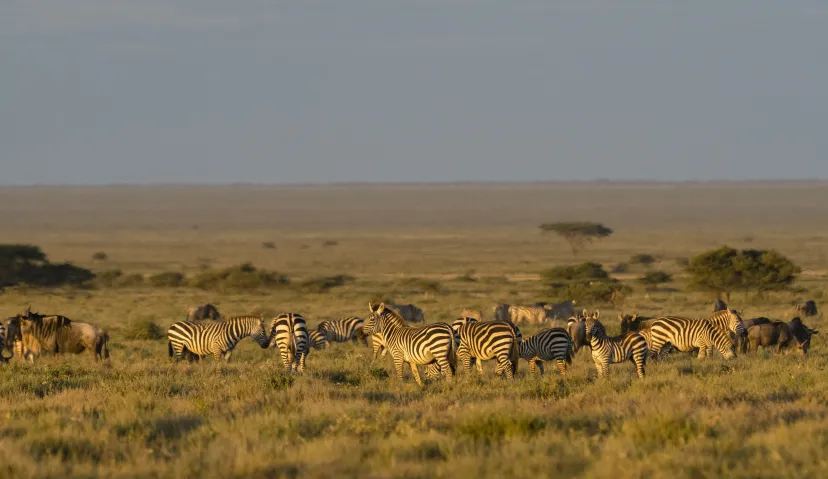
Wildebeest and zebras are closely associated with the migration, but many other grazing animals also live in the Serengeti. Look for gazelles, topis, hartebeests, impalas and other antelope species across different habitats.
Can You See the Big Five?
All five Big Five animals occur in the Serengeti: lion, leopard, elephant, buffalo and black rhinoceros.
Read moreShow less
All five Big Five animals occur in the Serengeti: lion, leopard, elephant, buffalo and black rhinoceros. However, black rhinos are exceptionally difficult to see, and no safari can guarantee sightings of all five.
Birdwatching
The park supports an impressive variety of birds, including ostriches, secretary birds, bustards, birds of prey, hornbills and seasonal visitors.
Read moreShow less
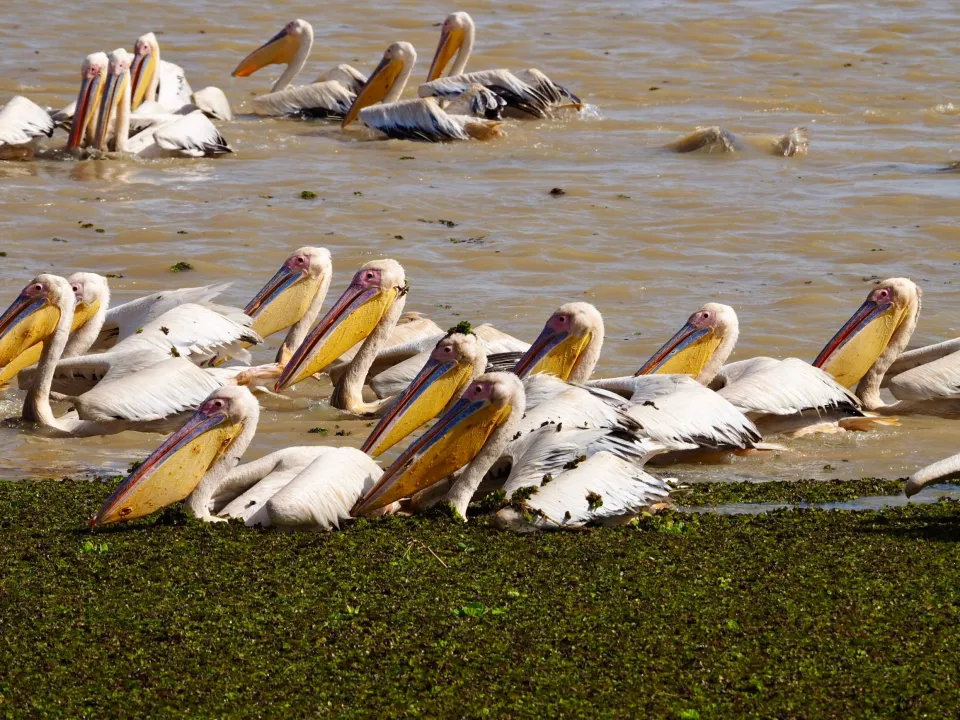
The park supports an impressive variety of birds, including ostriches, secretary birds, bustards, birds of prey, hornbills and seasonal visitors. Birdwatching adds depth to a game drive, particularly around wetlands and woodland.
The Great Wildebeest Migration
Each year, huge numbers of wildebeest, accompanied by zebras and other grazers, move through the Serengeti–Mara ecosystem in response to rainfall…
Read moreShow less
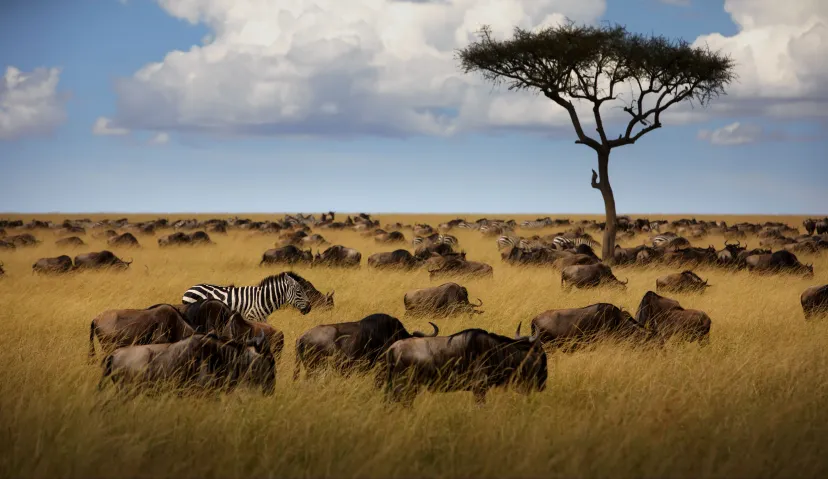
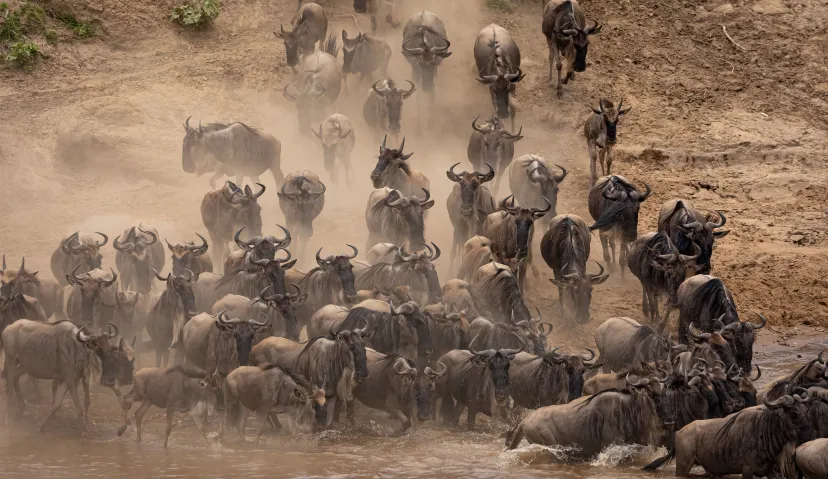
Each year, huge numbers of wildebeest, accompanied by zebras and other grazers, move through the Serengeti–Mara ecosystem in response to rainfall, fresh grass and access to water. The migration is a continuing natural cycle, not a single event with a fixed schedule.
December to March: Southern Plains and Calving
Many herds gather in the southern Serengeti ecosystem, especially around the Ndutu plains, during the green season.
Read moreShow less
Many herds gather in the southern Serengeti ecosystem, especially around the Ndutu plains, during the green season. Calving commonly peaks in the early months of the year and attracts predators such as lions, cheetahs and hyenas. Much of Ndutu lies outside Serengeti National Park, within the Ngorongoro Conservation Area.
April to June: Central and Western Movement
As grazing conditions change, herds often move toward the central and western Serengeti.
Read moreShow less
As grazing conditions change, herds often move toward the central and western Serengeti. The Western Corridor and Grumeti area can become important during this stage of the migration.
July to October: Northern Serengeti and Mara River
Large herds may reach the northern Serengeti and Mara River. River crossings are among the most sought-after sightings, but they depend on animal…
Read moreShow less
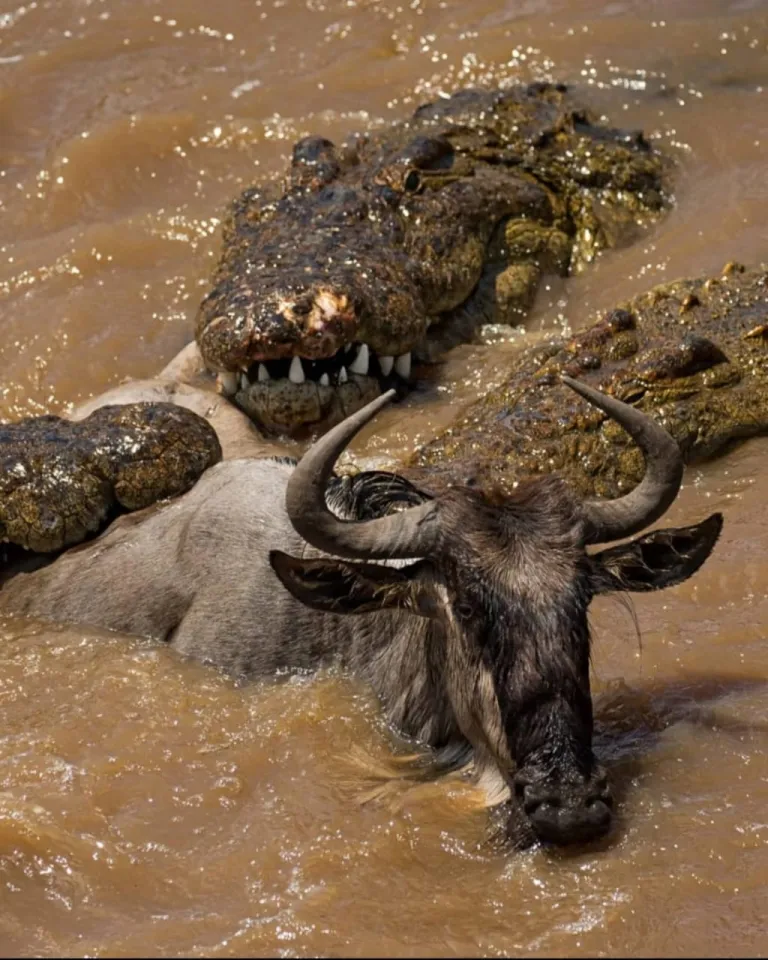
Large herds may reach the northern Serengeti and Mara River. River crossings are among the most sought-after sightings, but they depend on animal behaviour and conditions; even several days near the river cannot guarantee a crossing.
November to December: Movement South
With new rainfall and grass growth, many migrating animals begin returning toward the southern ecosystem.
Read moreShow less
With new rainfall and grass growth, many migrating animals begin returning toward the southern ecosystem. Exact movements vary from one year to another.
Safari planning note: Choose your Serengeti region based on the season and the kind of migration experience you hope to have. The timing above is a general guide, not a wildlife forecast.
Central Serengeti — Seronera
The Seronera area is popular for its varied habitats and resident wildlife. It is a practical base for first-time visitors and relatively short…
Read moreShow less
The Seronera area is popular for its varied habitats and resident wildlife. It is a practical base for first-time visitors and relatively short safaris, with opportunities to see big cats and grazing animals throughout the year.
Southern Serengeti and Ndutu
The southern short-grass plains are particularly appealing during the calving season.
Read moreShow less
The southern short-grass plains are particularly appealing during the calving season. Ndutu, in the neighbouring Ngorongoro Conservation Area, is often included in migration-focused itineraries.
Western Corridor — Grumeti
The western region combines plains, rivers and woodland. It can offer rewarding game viewing and seasonal migration activity, often with a different…
Read moreShow less
The western region combines plains, rivers and woodland. It can offer rewarding game viewing and seasonal migration activity, often with a different atmosphere from the busier central areas.
Northern Serengeti — Kogatende
The northern region is known for its rolling landscapes and proximity to Mara River migration routes.
Read moreShow less
The northern region is known for its rolling landscapes and proximity to Mara River migration routes. It is especially sought after during the drier months when herds may be in the area.
Things to Do in Serengeti National Park
Game drives: Explore wildlife habitats with a safari guide, often during the cooler morning and late-afternoon hours.
Read moreShow less
- Game drives: Explore wildlife habitats with a safari guide, often during the cooler morning and late-afternoon hours.
- Hot air balloon safaris: Take an optional early-morning flight where licensed balloon operations are available, subject to weather and advance booking.
- Wildlife photography: Spend more time around suitable habitats and use the softer light of morning or afternoon.
- Birdwatching: Discover grassland birds, raptors and waterbirds as part of your game drives.
- Guided walking: Join walking activities only in authorized areas and with the required professional supervision.
Best Time to Visit Serengeti National Park
The Serengeti can be rewarding throughout the year. The best months depend on whether you value dry-season wildlife viewing, lush scenery, predator…
Read moreShow less
The Serengeti can be rewarding throughout the year. The best months depend on whether you value dry-season wildlife viewing, lush scenery, predator activity during calving season or the possibility of northern river crossings.
Period Conditions Wildlife Highlights January–March Green season Calving and predators April–May Often wetter Birdlife and moving herds June–August Generally drier Game viewing and northern migration September–October Typically dry Possible Mara River crossings November–December Short rains Fresh grass and southward movementDry season: June through October is popular for wildlife viewing, though well-known areas may attract more visitors.
Green season: November through May offers changing scenery, birdlife and the southern migration calving period, with some wet-weather travel challenges.
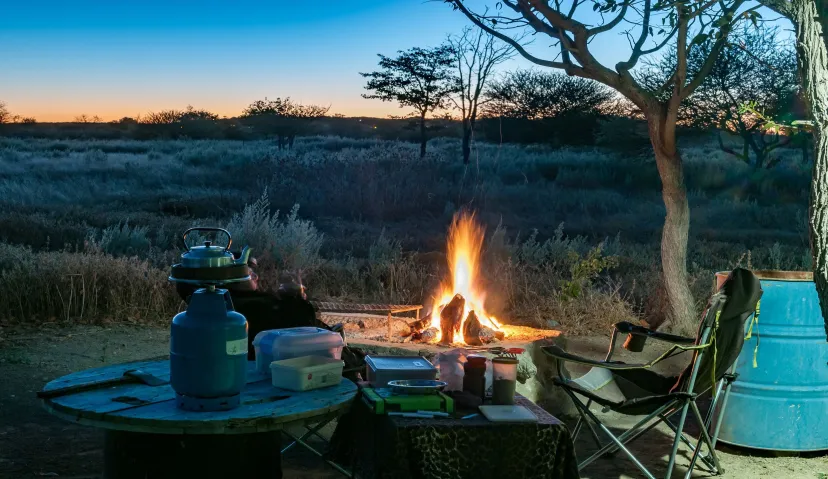
Budget Camping
Designated campsites offer a simpler way to experience the park, with facilities and camping arrangements varying by itinerary.
Read moreShow less
Designated campsites offer a simpler way to experience the park, with facilities and camping arrangements varying by itinerary.
Mid-Range Tented Camps
Comfortable tented camps often include proper beds, private bathrooms and catered meals, offering a balance of comfort and access to wildlife areas.
Read moreShow less
Comfortable tented camps often include proper beds, private bathrooms and catered meals, offering a balance of comfort and access to wildlife areas.
Luxury Lodges and Camps
Higher-end lodges and camps may offer spacious accommodation, elevated service and scenic locations.
Read moreShow less
Higher-end lodges and camps may offer spacious accommodation, elevated service and scenic locations. The most useful choice is not always the most expensive: staying in the right region for your travel dates is particularly important.
By Road
A road safari commonly begins in Arusha, often travelling through or near the Ngorongoro highlands.
Read moreShow less
A road safari commonly begins in Arusha, often travelling through or near the Ngorongoro highlands. Reaching the central Serengeti can take roughly seven to eight hours or longer, depending on stops, routes and road conditions.
By Air
Domestic flights serve selected Serengeti airstrips, including Seronera and airstrips in the north.
Read moreShow less
Domestic flights serve selected Serengeti airstrips, including Seronera and airstrips in the north. Flying can reduce travel time, but onward transfers and flight schedules should be factored into the itinerary.
How Many Days Do You Need in the Serengeti?
When driving from Arusha, consider how much of the first and last days will be spent in transit.
Read moreShow less
- 2–3 days: A short introduction, especially when concentrating on one region.
- 4–5 days: More time for game drives, changing conditions and a relaxed pace.
- 6+ days: Better suited to exploring multiple areas, wildlife photography or a migration-focused trip.
When driving from Arusha, consider how much of the first and last days will be spent in transit. Three nights is often a comfortable starting point for a fuller Serengeti experience.
Destinations to Combine with Serengeti
The Serengeti fits naturally into northern Tanzania itineraries.
Read moreShow less
The Serengeti fits naturally into northern Tanzania itineraries.
- Ngorongoro Conservation Area: Crater game viewing and highland scenery.
- Tarangire National Park: Large elephant herds and beautiful baobab landscapes.
- Lake Manyara National Park: Lake and forest habitats with varied birdlife.
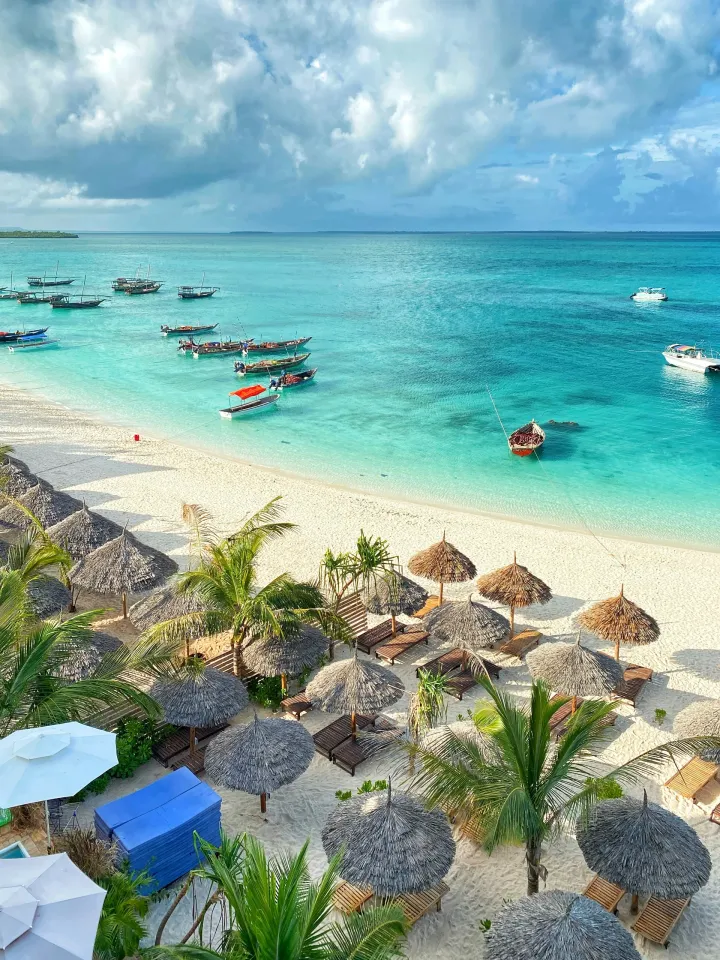
- Zanzibar: A relaxing Indian Ocean beach extension after a safari.
Practical Serengeti Safari Tips
Plan around the region and season, not an exact promised migration date.
Read moreShow less
- Plan around the region and season, not an exact promised migration date.
- Bring binoculars, sun protection and a warm layer for early drives.
- Wear comfortable clothing in subdued colours and carry essentials in a day bag.
- Allow enough time for driving distances between park areas.
- Follow your guide's instructions and park regulations; never feed or approach wildlife.
- Reserve sought-after accommodation well ahead of popular travel periods.
What is Serengeti National Park famous for?
Its extensive plains, large wildlife populations, predators and the seasonal Great Wildebeest Migration.
Read moreShow less
Its extensive plains, large wildlife populations, predators and the seasonal Great Wildebeest Migration.
What is the best month to visit the Serengeti?
There is no single best month. January and February are often good for southern calving-season activity, while July through October is popular for…
Read moreShow less
There is no single best month. January and February are often good for southern calving-season activity, while July through October is popular for dry-season viewing and possible northern migration events.
Can you see the Big Five?
All five species occur in the ecosystem, but black rhino sightings are rare and sightings are never guaranteed.
Read moreShow less
All five species occur in the ecosystem, but black rhino sightings are rare and sightings are never guaranteed.
Is the migration guaranteed?
No. Herd locations and river crossings depend on rainfall and animal movements. A good itinerary improves your chances of finding the herds but…
Read moreShow less
No. Herd locations and river crossings depend on rainfall and animal movements. A good itinerary improves your chances of finding the herds but cannot guarantee a specific event.
How much does a Serengeti safari cost?
Cost varies by trip length, travel season, accommodation, vehicle arrangements, park fees and group size.
Read moreShow less
Cost varies by trip length, travel season, accommodation, vehicle arrangements, park fees and group size. Request a quote for an itinerary-specific figure.
Can families with children visit?
Yes. Family-friendly itineraries can be designed around shorter drives, suitable lodges and age-related restrictions on optional activities.
Read moreShow less
Yes. Family-friendly itineraries can be designed around shorter drives, suitable lodges and age-related restrictions on optional activities.
Plan Your Serengeti Safari
Explore the Serengeti with an itinerary shaped around your travel dates, interests and preferred comfort level.
Read moreShow less
Explore the Serengeti with an itinerary shaped around your travel dates, interests and preferred comfort level. Watoto Wa Bingwa Safaris can help you compare routes and plan a journey that suits your group.
Explore Safari Options with Watoto Wa Bingwa Safaris
Sources and further reading:
Best time to visit
- Jan Peak
- Feb Peak
- Mar Good
- Apr Low
- May Good
- Jun Peak
- Jul Peak
- Aug Peak
- Sep Peak
- Oct Peak
- Nov Good
- Dec Good
Important: Peak means excellent safari conditions or seasonal wildlife opportunities, not a guarantee of seeing the migration. The best region changes throughout the year.
Safaris that visit Serengeti National Park
 Wildlife Safaris
Serengeti National Park
15-Day Great Migration Safari in Tanzania
15-Day Great Migration Safari in Tanzania Experience the wild beauty of East Africa on this 15-day Great Migration safar...
From $5,500 per adult
Where it is
More in the Northern Circuit