
Loading

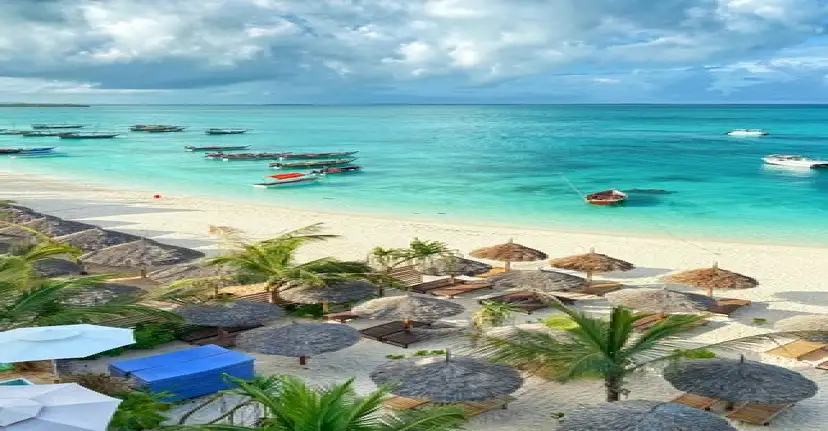
Set in the Indian Ocean off the coast of mainland Tanzania, Zanzibar is one of East Africa’s most distinctive island destinations. Travellers are drawn by its palm-fringed beaches, turquoise waters, historic settlements, aromatic spice farms and welcoming coastal communities. Yet the island’s character goes far beyond its scenery: Zanzibar is a place where Swahili culture, maritime history, local cuisine and contemporary island life come together.
The name Zanzibar is commonly used by visitors to refer to Unguja, the archipelago’s largest island. The wider Zanzibar Archipelago also includes Pemba and numerous smaller islands. Zanzibar City, on Unguja’s western coast, is home to Stone Town, the historic centre recognised as a UNESCO World Heritage Site.
With Watoto Wa Bingwa Safaris & Tours, travellers can explore Zanzibar through a carefully planned island holiday that balances relaxation and discovery. Whether you have a few days after a Tanzania wildlife safari or want to spend a longer holiday exploring the coast, your itinerary can be tailored to your preferred pace, accommodation style and interests.
Zanzibar’s coastline offers a variety of beach experiences rather than one uniform island setting. The north is known for its popular swimming beaches and sunset views, while the east coast features long sandy stretches, offshore reefs and tidal lagoons. Other areas offer quieter surroundings, fishing villages and opportunities to observe everyday coastal life.
The best beach for your holiday depends on what you want to do. Travellers who prioritise swimming should consider local tidal patterns and the conditions at their chosen beach. On parts of the east coast, the sea can retreat a considerable distance at low tide, revealing tidal flats and reef areas. This can create beautiful coastal walks, but it also affects when and where swimming is practical.
Zanzibar’s identity has developed through centuries of connections between East African coastal communities and traders from Arabia, Persia, India and other parts of the Indian Ocean world. These influences are visible in its architecture, language, cuisine, religious traditions, crafts and historic trading settlements.
Visitors can experience this heritage through guided walks, local markets, traditional food, village visits and conversations with knowledgeable local guides. Cultural experiences are most rewarding when approached with curiosity and respect for residents’ daily lives.
Zanzibar is widely associated with cloves and other spices, including cinnamon, nutmeg, pepper and vanilla. A guided spice farm visit introduces travellers to the plants, aromas and cultivation practices behind ingredients used in local cooking and international cuisine.
Rather than simply purchasing spices, visitors can learn how the plants grow, how different parts are used and how spice production connects with the island’s agricultural and trading history. Activities and demonstrations vary by farm and season, so it is worth confirming what a particular tour includes.
The waters around Zanzibar offer opportunities for snorkelling, scuba diving, boat excursions and other marine activities. Depending on the location, conditions and season, visitors may encounter coral formations and a variety of tropical fish.
Marine activities should be selected according to the traveller’s experience level and current sea conditions. Use responsible operators, follow safety briefings and avoid touching coral or disturbing marine animals. Wildlife sightings, including dolphins, are never guaranteed.
Zanzibar pairs naturally with a mainland Tanzania safari. After several days of early starts, wildlife drives and time in national parks, travellers may welcome a slower pace beside the ocean.
A combined itinerary can include the Serengeti, Ngorongoro Conservation Area or Tarangire National Park before continuing to Zanzibar for beach time, Stone Town and selected island excursions. The best sequence depends on flight schedules, the length of the trip and the traveller’s budget.
Stone Town is Zanzibar’s historic urban centre and one of the most important cultural stops on the island. Its narrow lanes, carved wooden doors, merchant houses, historic buildings and seafront reflect the region’s complex Swahili, African, Arab, Indian and European connections.
A guided walking tour can introduce visitors to the Old Fort, Forodhani Gardens, historic streets, local markets and other heritage landmarks. The experience is particularly valuable for travellers who want to understand the island’s history rather than spend the entire holiday at a beach resort.
Stone Town is also a practical base for exploring the western side of Unguja, arranging spice farm visits and connecting to nearby boat excursions. Allow time to explore at a comfortable pace, as the narrow streets are best experienced on foot.
Nungwi, at the northern end of Unguja, is a well-known beach destination with a wide selection of accommodation, restaurants and marine excursions.
It suits travellers looking for a lively coastal atmosphere, time beside the water and access to activities such as boat trips, snorkelling and diving. The northern coastline is also popular for sunset views over the Indian Ocean.
Conditions vary by beach and tide, so travellers should check local advice before swimming or booking water activities. Accommodation ranges from more modest guesthouses to upscale resorts, making it important to compare location and inclusions rather than assume all stays offer the same experience.
Kendwa is another popular northern beach destination, known for its broad sandy shoreline and opportunities to relax by the sea. It can suit couples, friends and travellers looking for a combination of beach time, dining and selected evening activities.
Compared with parts of the east coast, Kendwa’s beach is often attractive to visitors who want more flexibility around swimming, although sea conditions and tides still need to be checked.
A stay in Kendwa can be planned as a dedicated beach break or as part of a wider itinerary that includes Stone Town and other parts of the island.
Paje, on the southeast coast, has become well known for its open beach, kitesurfing scene and relaxed coastal atmosphere. Wind conditions and the shallow reef-fringed coastline make the area particularly relevant to travellers interested in wind-powered water sports.
The experience here changes with the tides and wind. At low tide, the shoreline can extend across broad tidal flats; at other times, the water provides different opportunities for swimming and activities.
Paje is a strong option for active travellers, but it can also appeal to visitors who want cafés, small accommodation properties and a beach setting with a social atmosphere.
Jambiani offers a long stretch of southeast coast with a village atmosphere, beach accommodation and opportunities to learn about everyday life in a coastal community.
Visitors may enjoy walking along the shore, learning about local fishing and seaweed-related livelihoods where available, or simply spending time away from busier resort areas. As with other east-coast beaches, tidal changes influence how the coast looks and which activities are practical at different times of day.
For travellers who value a more relaxed holiday, Jambiani can be an appealing alternative to a busier northern beach.
Matemwe lies along Zanzibar’s northeastern coast and is often considered by travellers who prefer a quieter beach setting. Its location also makes it relevant for visitors interested in marine excursions around nearby reef and island areas, subject to local access rules and sea conditions.
The area can suit couples and travellers seeking a more peaceful stay, but services and activity options depend on the exact accommodation location. Confirm transfer arrangements and excursion details when comparing properties.
Jozani Forest is an important nature destination on Unguja. It is known for the Zanzibar red colobus monkey, a primate associated with the island’s forest habitats.
A visit provides a different perspective from the beaches and historic streets, introducing travellers to forest ecology and the importance of protecting natural habitats. Sightings of wild animals cannot be guaranteed, and visitors should follow the guidance of local staff, maintain respectful distances and avoid feeding wildlife.
Jozani can be incorporated into a broader island itinerary, depending on travel times and the locations of other planned activities.
Changuu Island, often called Prison Island, is a small island off Stone Town that visitors commonly explore by boat. Its history includes use as a quarantine station, and it is also known for its population of giant tortoises.
The excursion can provide a convenient change of scenery for travellers staying in Stone Town or nearby areas. Boat departure points, travel times, weather and entry arrangements should be confirmed before the visit.
Visitors should treat the island’s wildlife responsibly and follow the rules set by site staff.
Explore historic lanes, carved doors, markets and important heritage sites with a knowledgeable local guide. A guided walk helps explain how Zanzibar developed as a Swahili trading centre and how its history continues to shape the island today.
Discover the plants behind Zanzibar’s spice reputation, learn about cultivation and sample seasonal tropical produce where offered. Confirm the farm’s location, tour duration and inclusions when booking.
A traditional dhow excursion offers an opportunity to experience the island from the water. Depending on the departure point and conditions, trips may include coastal sailing, sunset views or stops at selected sandbanks and snorkelling areas.
Sea conditions, tides and departure times can affect the experience. Choose a responsible operator and confirm whether food, drinks, equipment and transfers are included.
Explore selected marine areas with an operator suited to your experience and the day’s conditions. Beginners should communicate their experience level in advance and use qualified instructors or guides where appropriate.
Coral reefs are sensitive environments. Responsible visitors avoid standing on coral, collecting marine life or leaving waste behind.
Zanzibar’s food reflects the island’s coastal setting and diverse cultural connections. Depending on the place and season, visitors may find fresh seafood, coconut-based dishes, spiced rice, grilled foods, tropical fruit and local street-food favourites.
A guided food experience or a visit to a reputable local restaurant can make cuisine an important part of the island itinerary. Ask about ingredients and preparation if you have allergies or dietary requirements.
Leave space in your schedule for unhurried beach time. Swimming, reading, walking, watching fishing boats or enjoying the changing light over the Indian Ocean can be just as meaningful as organised excursions.
Choose the coast according to your priorities, and check local tide and sea conditions before swimming.
Village and community-based experiences can provide insight into local livelihoods, crafts and island traditions. Select activities that are organised with local participation, explain what visitors will experience and respect photography preferences and community boundaries.
Zanzibar is a year-round destination, but rainfall, humidity, wind and sea conditions change throughout the year. The right time depends on whether your priority is beach relaxation, diving, cultural exploration or a combination of experiences.
June to October: This is generally a popular period for travel, with relatively drier conditions and comfortable opportunities for beach holidays and island excursions.
January to February: These months are often warm and attractive for beach stays and marine activities, although humidity and weather conditions can vary.
March to May: The long-rains period commonly brings heavier rainfall. Travellers may encounter lush scenery and fewer visitors in some places, but wet weather can affect excursions and beach plans.
November to December: The short rains may bring intermittent showers, while conditions can vary considerably from one day to another.
These are seasonal patterns, not guarantees. Before confirming your trip, consider the month, the coast where you intend to stay, the planned marine activities and the weather forecast.
Tides are an important part of planning a Zanzibar beach holiday, particularly along the east coast.
At some beaches, the sea retreats far from the shore during low tide, exposing sand flats and reef areas. This can be an excellent time for a guided coastal walk or for observing the changing shoreline, but it may limit swimming close to the accommodation.
Other beaches have different tidal characteristics, and conditions can vary even between nearby locations. Travellers should not assume that every beach offers the same swimming experience throughout the day.
When choosing accommodation, ask about typical swimming conditions, reef access, tidal patterns and the activities available from that particular stretch of coast. This helps match the beach to your expectations.
Travellers can reach Zanzibar by air or by ferry from mainland Tanzania, depending on their route and schedule.
By air: Zanzibar’s Abeid Amani Karume International Airport serves the island. Travellers may arrive on domestic flights from mainland destinations or on international services, depending on the airline and current schedules.
By ferry: Passenger ferry services connect Zanzibar with Dar es Salaam. Departure times, journey duration, baggage rules and availability should be checked directly with the operator before travel.
After arrival, transfers can be arranged to Stone Town, beach accommodation or other locations across Unguja. Travel time depends on the destination, traffic, road conditions and the location of your accommodation.
For a combined northern Tanzania safari and Zanzibar holiday, confirm domestic flight connections and baggage allowances before finalising the itinerary.
The ideal length of stay depends on how much of the island you want to experience.
Three to four days: A short break could combine Stone Town, one selected excursion and time at a nearby beach. It works best when transfers and activities are planned carefully.
Five to seven days: A longer stay allows more time to enjoy the beach, visit a spice farm, explore Stone Town and add a nature or marine excursion without rushing every day.
Eight days or more: Travellers with more time can explore different coastal areas, include additional activities or divide their stay between a historic-town base and a beach destination.
These are planning suggestions rather than fixed packages. Road transfers, arrival times, ferry schedules and weather can affect how much is realistic within each stay.
One of Zanzibar’s strongest advantages is the opportunity to combine an island holiday with wildlife experiences on the mainland.
A northern Tanzania itinerary might include:
Serengeti National Park: Vast savannah landscapes and wildlife viewing.
Ngorongoro Conservation Area: Wildlife, highland scenery and a distinctive conservation landscape.
Tarangire National Park: Known for its elephants, baobabs and seasonal wildlife patterns.
Zanzibar Island: Beach relaxation, Swahili heritage and selected island excursions.
The sequence can be adjusted to suit international flights, the number of safari days and the type of accommodation preferred. Travellers should allow enough time for transfers and avoid scheduling important activities too tightly around flight connections.
Watoto Wa Bingwa Safaris & Tours can help travellers explore a combined itinerary that connects mainland wildlife experiences with time on the coast.
Zanzibar’s appeal depends on its beaches, marine habitats, historic buildings and living communities. Visitors can help protect these qualities through thoughtful travel choices.
Respect local customs and dress appropriately when visiting villages, religious sites and other community spaces.
Ask permission before photographing people.
Use reputable boat and marine operators who prioritise passenger safety and responsible wildlife encounters.
Avoid touching coral, feeding wild animals or removing natural materials from protected areas.
Reduce litter and use refillable water containers where practical.
Support local guides, artisans and businesses when appropriate.
Follow site rules at historic buildings, forests and conservation areas.
A respectful approach helps ensure that the island remains a rewarding destination for visitors and residents alike.
A successful Zanzibar holiday is about more than selecting a hotel beside the ocean. The right itinerary considers your preferred beach, travel dates, tide patterns, transport arrangements, activities and the balance between relaxation and exploration.
Watoto Wa Bingwa Safaris & Tours is a Tanzania-based safari and travel company operating since 2015. We can help you plan a Zanzibar island holiday, from a relaxed beach escape to a culture-focused itinerary or a combined mainland safari and island experience.
When you enquire, let us know your travel dates, number of travellers, preferred accommodation style, budget range and the experiences you would most like to include. We can then discuss suitable options and clarify what each proposed arrangement includes.
Ready to discover Zanzibar? Contact Watoto Wa Bingwa Safaris & Tours to plan your island holiday around the beaches, culture and experiences that matter most to you.

watotowabingwasafaris.com
Install Progressive Web Application
This site has app functionality. Install it on your device for extensive experience and easy access.