
Loading

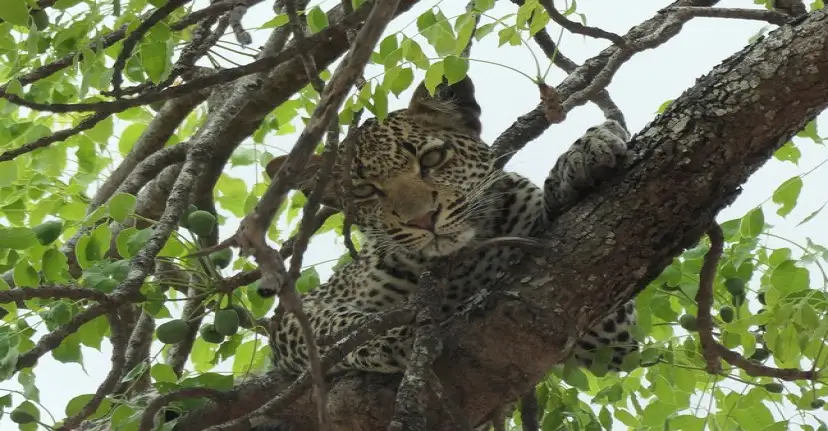
Mikumi National Park brings the wildlife and wide-open landscapes of a classic African safari within practical reach of Tanzania’s largest commercial city, Dar es Salaam. Located in Morogoro Region, the park covers approximately 3,230 square kilometres and forms an important part of southern Tanzania’s wider wildlife landscape. Its best-known feature is the Mkata floodplain, where expansive grasslands, scattered acacia trees and seasonal water sources create excellent conditions for observing wildlife.
A Mikumi National Park safari is particularly appealing to travellers who want to experience Tanzania’s wildlife without committing to a long journey into the more remote southern parks. Elephants, giraffes, zebras, buffalo, wildebeest and lions are among the animals visitors may encounter, while river channels, hippo pools and woodland habitats add variety to game drives. More than 400 bird species have also been recorded in the park.
For first-time safari visitors, families, couples and travellers with limited holiday time, Mikumi offers a practical introduction to Tanzania’s natural heritage. It can also form part of a longer southern Tanzania itinerary that includes forests, mountains and other national parks.
At Watoto Wa Bingwa Safaris & Tours, a locally based Tanzania safari company operating since 2015, we help guests plan private and tailor-made journeys around their interests, available time and budget. Our aim is to make the planning process clear and straightforward, from choosing travel dates to arranging transport, accommodation and guided wildlife activities.
The Mkata floodplain is the centrepiece of many Mikumi safari experiences. Its broad, open grasslands provide far-reaching views, making it easier to scan the landscape for wildlife than in areas dominated by dense forest or thick vegetation.
During the dry season, animals may concentrate around seasonal pans, waterholes and river systems. Elephants can be seen moving across the plains, while zebras and wildebeest graze in open areas. Buffalo herds may gather near suitable feeding grounds, and predators such as lions can sometimes be spotted resting or watching potential prey.
The floodplain is not simply an attractive backdrop. Its seasonal changes influence how animals use the landscape. When rain returns, water becomes more widely available and vegetation grows, spreading wildlife across different habitats. During drier periods, the distribution of water can make certain areas particularly productive for game viewing.
This variation is one reason a guided safari is valuable. An experienced guide can explain the relationship between animal behaviour, vegetation and water availability, helping visitors understand the landscape rather than simply moving from one sighting to another.
Mikumi supports a diverse range of mammals and birds, making it a rewarding destination for wildlife viewing and photography.
African elephants are among the park’s major attractions. Visitors may encounter them feeding, walking through woodland or crossing open ground. Their movements depend on water, food availability and seasonal conditions, so sightings can differ from one visit to another.
Observing elephants responsibly requires patience and sufficient space. Your guide should position the vehicle safely and follow park rules, especially when animals are moving across a road or gathering near water.
Giraffes are often seen browsing on trees scattered across the savannah, while zebras and wildebeest feed on suitable grassland. Their contrasting patterns and movements create excellent photographic opportunities, particularly in the softer light of early morning and late afternoon.
These herbivores also help visitors understand the park’s ecological relationships. Grazing animals depend on vegetation and seasonal water, while predators may use the same areas to search for prey.
Buffalo are an important part of Mikumi’s large-mammal community. Herds may move through open plains or gather in areas with suitable grazing and water.
Lions are among the predators visitors hope to see during game drives. They may rest in shade, lie in tall grass or move through open country. However, their behaviour and visibility vary, and no responsible safari operator should promise a particular sighting.
Selected pools and river habitats support hippos and crocodiles. These environments are also attractive to waterbirds, making them worthwhile stops for wildlife enthusiasts and photographers. Visitors should remain within designated viewing areas and follow the guide’s instructions around water.
Beyond the larger, more familiar mammals, Mikumi is home to a variety of antelope. Greater kudu, sable antelope and Lichtenstein’s hartebeest are among the species associated with the park’s more wooded habitats and surrounding landscape. They can be more challenging to locate than the animals commonly seen on open plains.
Looking for these species can add depth to a safari, particularly for repeat visitors who want to explore beyond the most recognisable animals.
Mikumi is also a rewarding destination for birdwatching. Its grasslands, acacia woodland, seasonal pans and riverine habitats attract a wide range of species. Birds that visitors may encounter include lilac-breasted rollers, bee-eaters, hornbills, eagles, storks and waterbirds.
The rainy months can bring changes in bird activity and the arrival of migratory species. Travellers with a serious interest in bird identification may wish to bring binoculars and allow extra time at suitable habitats.
Although the Mkata floodplain is Mikumi’s best-known landscape, the park has several other features worth appreciating.
Hippo pools and river loops: These areas offer opportunities to observe aquatic wildlife and waterbirds from authorized viewing locations.
Acacia savannah: Scattered trees provide shade and feeding opportunities for herbivores while giving the landscape its recognisable East African character.
Baobab and tamarind trees: These distinctive trees add visual interest and can become striking subjects for photography, particularly in the early morning or late afternoon.
Miombo woodland: Wooded habitats support different wildlife communities and may offer opportunities to search for species that are less frequently seen on open plains.
Malundwe Mountain and surrounding hills: The park’s varied terrain provides a contrasting backdrop to the floodplain and contributes to the diversity of habitats.
Together, these environments make Mikumi more than a convenient place for a quick wildlife drive. The park’s ecological variety offers visitors a chance to appreciate the connections between open grassland, woodland and seasonal water.
Game drives are the main activity for most visitors. A guided drive through authorized routes provides opportunities to search for mammals, observe birds and photograph the park’s landscapes.
Morning and late-afternoon drives are popular because of the changing light and potential wildlife activity. The best schedule depends on park rules, accommodation arrangements and the length of your visit.
Birdwatching can be incorporated into a regular game drive or given additional attention on a dedicated outing. River habitats, open plains and woodland each offer different viewing opportunities.
A knowledgeable guide can help identify species and explain their behaviour, making the experience useful for beginners as well as experienced birders.
Mikumi’s open landscapes can be particularly rewarding for photographers. The floodplain offers broad views of herds and predators, while isolated trees and distant hills add depth to landscape photographs.
A longer safari gives you more flexibility to wait for favourable light, revisit suitable areas and observe animal behaviour without rushing.
Walking safaris may be available in designated areas when authorized and appropriately arranged. Accompanied by a qualified guide or ranger, visitors can learn about animal tracks, plants, insects and smaller aspects of the ecosystem.
Walking activities are subject to park regulations, location and availability. They should never be undertaken independently in wildlife areas.
Depending on park facilities and the itinerary, visitors may be able to take a break at an authorized picnic site. These stops can make a full-day game drive more comfortable. Food must be handled responsibly, and visitors should follow all park rules about litter and wildlife.
Mikumi is visited throughout the year, but seasonal differences influence vegetation, wildlife distribution, bird activity and road conditions.
The dry season is generally a popular period for a Mikumi safari. As vegetation becomes thinner and water sources become more limited in some areas, wildlife can be easier to locate around the floodplain and remaining water points.
These months are often suitable for first-time visitors and travellers prioritising large mammals and conventional game drives. Dry-season conditions still vary, and sightings depend on where animals are moving on a particular day.
The greener months bring seasonal rainfall, fresh vegetation and changing scenery. Birdwatchers may find this period especially interesting, while photographers can enjoy dramatic skies and landscapes with richer colours.
Rain can affect some roads and access conditions, so travel plans should be checked before departure. The precise timing of rainfall varies between years, and the park’s conditions may not be identical throughout the season.
How to choose: If your priority is finding large mammals on open plains, the dry season is often a strong starting point. If you prefer greener scenery and are particularly interested in birds, consider the wetter months while allowing flexibility for weather.
One of Mikumi’s major advantages is its road access from Dar es Salaam.
By road from Dar es Salaam: The journey is commonly around three to five hours, depending on traffic, road conditions, stops and the location of your accommodation. The route generally follows the A7 highway through the Morogoro area. Allow additional time during busy travel periods and avoid planning an arrival that leaves too little time before park closing.
From Morogoro: The town is closer to Mikumi and can be a useful starting point for travellers already exploring the region. Actual transfer time depends on the accommodation and entrance being used.
By air: Scheduled or charter flights may operate to Mikumi Airstrip. Availability and schedules should be confirmed for your travel dates, and ground transfers should be arranged in advance.
Because Mikumi is accessible from Dar es Salaam, it can suit travellers who cannot easily fit a longer northern-circuit safari into their schedule. However, a short trip still benefits from careful timing: driving to the park, completing a game drive and returning to the city in one day can make for a demanding schedule. An overnight stay generally gives you more time to enjoy the destination.
Your ideal stay depends on where you are travelling from and how much time you want to spend watching wildlife.
One day: A day trip may be possible from nearby locations, but it requires careful timing and can mean a long day on the road. It is not always the best option for travellers seeking a relaxed safari.
Two days and one night: A practical short safari for visitors travelling from Dar es Salaam who want to combine the journey with game drives and an overnight stay.
Three days and two nights: Allows more time for wildlife viewing, birdwatching, photography and a less rushed schedule.
Four days or longer: Useful for travellers who want to explore at a slower pace or combine Mikumi with other destinations in southern Tanzania.
These are itinerary guidelines, not fixed packages. Travel times, park access, accommodation availability and the type of safari you choose should determine the final schedule.
Accommodation choices include lodges, tented camps, campsites and other facilities in or near the park, depending on availability and the applicable arrangements.
When comparing places to stay, look beyond the room category. Consider how far the property is from the park entrance or your planned game-viewing area, whether meals and transfers are included, and how the accommodation arranges guided activities.
Travellers with a limited budget may prefer a straightforward property that keeps transport and overnight arrangements practical. Those seeking more comfort may choose a lodge or tented camp with additional amenities. The right option is the one that suits your budget, location needs and safari priorities—not simply the one with the most expensive description.
For peak travel dates, advance booking is advisable. Current accommodation availability, park charges and activity arrangements should be confirmed before payment.
Mikumi is particularly suitable for:
First-time safari travellers seeking an accessible introduction to Tanzania’s wildlife.
Visitors based in Dar es Salaam who want a safari without a long domestic flight.
Families and private groups looking for a trip that can be planned around their schedule.
Couples seeking a short wildlife escape.
Wildlife photographers interested in open plains, herds and varied landscapes.
Birdwatchers who want to explore savannah, woodland and wetland habitats.
Travellers exploring southern Tanzania who want to connect Mikumi with other destinations.
Its accessibility makes Mikumi a strong option for shorter holidays, but it still offers genuine wildlife habitat and the need to respect park regulations. A shorter transfer does not mean wildlife encounters can be guaranteed.
Mikumi can be a useful starting point or connecting destination for a wider southern Tanzania journey.
Udzungwa Mountains National Park: A contrasting destination known for forest environments, hiking and opportunities to explore montane habitats.
Ruaha National Park: A larger, more remote wilderness experience for travellers seeking additional days of game drives and a broader southern safari.
Nyerere National Park: Offers a different style of safari, with the Rufiji River, boat-based wildlife viewing and extensive wilderness.
Morogoro: A practical regional stop that can form part of an overland itinerary.
Dar es Salaam: A useful arrival or departure city for travellers connecting their safari with coastal activities or onward international travel.
The best combination depends on the time available. These places are not all next door to one another, and adding more destinations can substantially increase travel time. A carefully planned itinerary should prioritise a manageable number of locations and allow enough time to enjoy each one.
Mikumi offers a practical way to experience Tanzania’s wildlife through open floodplains, woodland habitats, river environments and guided game drives. It is especially appealing to travellers who want to make the most of a limited schedule while still spending meaningful time in a national park.
Watoto Wa Bingwa Safaris & Tours is a locally based Tanzania safari company operating since 2015. We create private wildlife safaris and tailor-made travel experiences shaped around your interests, available days and budget. We can help you compare transport options, select suitable accommodation and plan activities that fit your trip.
Contact Watoto Wa Bingwa Safaris & Tours to plan your Mikumi National Park safari. Tell us your travel dates, group size and preferred style of experience, and we can help you explore a practical itinerary for your time in Tanzania.
Wildlife sightings are not guaranteed. Road conditions, park access, accommodation availability and activity schedules may vary by season. Confirm current arrangements and applicable fees before travelling.


watotowabingwasafaris.com
Install Progressive Web Application
This site has app functionality. Install it on your device for extensive experience and easy access.