
Loading

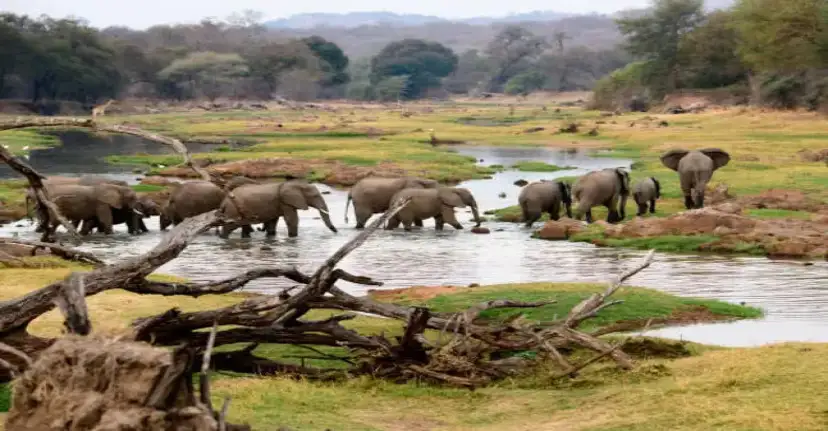
Ruaha National Park is a destination for travellers who want to experience Tanzania’s wilderness on a grand scale. Located in south-central Tanzania, in the Iringa region, the park covers approximately 20,226 square kilometres, making it one of the country’s largest national parks. Its expansive landscapes combine ancient-looking baobab trees, rocky outcrops, open savannah, seasonal sand rivers and broad stretches of woodland, creating a safari environment that feels markedly different from the busy routes of the northern circuit.
A Ruaha National Park safari is especially rewarding for travellers interested in elephants, large lion prides, elusive leopards, African wild dogs and unusual antelope species. The Great Ruaha River and the park’s seasonal waterways shape wildlife movements, particularly during the dry months when remaining water sources become increasingly important. Yet Ruaha is not simply a destination for counting animals. Its scale, changing light, striking vegetation and quieter safari atmosphere are central to the experience.
Watoto Wa Bingwa Safaris & Tours is a locally based Tanzania safari company operating since 2015. We help travellers plan meaningful journeys that reflect their interests, travel time and budget. For guests looking beyond the familiar highlights, Ruaha offers the opportunity to explore a remarkable part of southern Tanzania with time to appreciate the landscape as well as its wildlife.
The Great Ruaha River is one of the defining features of the park. It runs along the southeastern boundary and supports a network of habitats that sustain mammals, reptiles and birds. During the dry season, shrinking water sources can concentrate wildlife around remaining pools and river sections, creating valuable opportunities for observation.
Elephants may gather near the water, while hippos and crocodiles occupy suitable river habitats. Predators also use the wider river environment as they search for prey. The best sightings depend on the season, local conditions and animal movements, so a good safari focuses on patient observation rather than guaranteed encounters.
The river’s character changes throughout the year. During wetter months, flowing water and greener vegetation can transform the surrounding scenery. Later in the dry season, exposed sandbanks and isolated pools reveal how strongly wildlife depends on water in this semi-arid landscape.
For photographers, the river offers opportunities to capture animals against natural textures of sand, stone and woodland. For travellers who enjoy learning about ecology, it provides a useful starting point for understanding the relationship between rainfall, habitat and wildlife distribution.
Ruaha is renowned for its rich wildlife and the overlap of eastern and southern African ecological influences. TANAPA highlights the park’s elephants, buffalo, lions, leopards, cheetahs and varied antelope, alongside a recorded bird list exceeding 570 species.
Elephants are among the park’s most recognisable animals. Visitors may encounter them moving through woodland, feeding among scattered trees or gathering near water during dry periods. Large buffalo herds also contribute to Ruaha’s dramatic game-viewing opportunities.
Their movements vary with rainfall and the availability of food and water, which is why spending several days in the park can offer a broader picture of its wildlife.
Ruaha is an important destination for travellers hoping to observe African predators. Lions may be seen resting in shade, moving across open ground or following potential prey. Leopards are more elusive and may be difficult to spot in thick vegetation or rocky terrain, while cheetahs favour suitable open habitats where conditions allow them to hunt.
Predator sightings are never guaranteed. A knowledgeable guide uses tracks, habitat, recent observations and animal behaviour to help visitors search responsibly without disturbing wildlife.
African wild dogs are one of the special wildlife highlights associated with Ruaha. These endangered carnivores live and hunt in social packs, travelling over extensive areas in search of prey. Their movements can make sightings unpredictable, but the possibility of encountering them adds considerable interest for experienced safari travellers and wildlife photographers.
Ruaha is particularly notable for its antelope diversity, including greater kudu and lesser kudu. These elegant animals often use woodland and bush habitats, where their camouflage can make them challenging to find. Sable and roan antelope are also among the species that make the park interesting for visitors who want to look beyond the most familiar large mammals.
With more than 570 recorded bird species, Ruaha offers rewarding opportunities for birdwatching. Its rivers, woodlands, rocky areas and open plains support a wide variety of habitats. Visitors may encounter raptors, bee-eaters, kingfishers, hornbills and seasonal migrant species.
Birdwatching can be included in game drives or dedicated guided outings. Travellers interested in identifying species should consider bringing binoculars and allowing enough time to observe birds rather than treating them as a secondary part of the safari.
Ruaha’s scenery is a major reason to choose this destination. Its vastness creates a sense of space that is difficult to appreciate during a brief stop.
Baobab-studded savannah: Large baobabs rise above the surrounding vegetation, creating striking silhouettes and distinctive photographic subjects, particularly in early morning and late-afternoon light.
Rocky kopjes and granite outcrops: Isolated rocky formations interrupt the plains and provide shelter and habitat for wildlife adapted to rocky terrain.
Miombo woodlands: These broad woodland areas offer a different setting from open savannah, supporting birds and antelope that may be less visible in grassland habitats.
Seasonal rivers and sandbeds: Watercourses such as the Mwagusi and other seasonal river systems change with rainfall. During dry periods, remaining pools can become important wildlife gathering points.
Open plains and riverine vegetation: The contrast between open country and greener vegetation near water creates varied game-viewing and photography opportunities.
Together, these habitats make Ruaha particularly appealing to travellers who appreciate both wildlife and the natural environment in which it lives.
Game drives are the main way to explore Ruaha’s extensive landscapes. Travelling in a suitable safari vehicle with an experienced guide allows visitors to search for elephants, buffalo, predators, antelope and birdlife while learning about the habitats around them.
Morning and late-afternoon drives can offer favourable light and opportunities to observe animal activity. The precise schedule depends on accommodation arrangements, park regulations and the conditions of the day.
Walking safaris offer a more detailed way to experience the bush. With an authorized guide or ranger, visitors can learn to interpret tracks, identify plants, observe insects and notice details that are easily missed from a vehicle.
Walking activities are permitted only under the applicable park rules and in authorized areas. They should be arranged in advance through an appropriately licensed operator.
Birdwatching can be a rewarding focus for visitors who want to explore Ruaha’s habitats in more detail. The park’s mixture of woodland, open country and river environments supports a diverse bird community. The wetter months may be especially interesting for birders seeking seasonal migrants and greener scenery.
Ruaha’s combination of baobabs, rocky terrain, elephants and predators creates varied photographic opportunities. A longer stay can allow time to work with changing light and revisit suitable areas without rushing between sightings.
Away from major urban centres, the park’s remote setting can offer impressive night skies when weather and conditions are favourable. Stargazing should take place only where permitted by the accommodation or park operator, with wildlife safety and local instructions taking priority.
Ruaha can be visited at different times of year, but seasonal changes affect wildlife distribution, vegetation and road conditions.
The dry season is generally the most popular period for conventional wildlife viewing. As vegetation becomes less dense and water sources become more limited in some areas, animals may be easier to locate around rivers and remaining pools. Late dry-season conditions can be particularly productive for observing wildlife near water, although sightings still depend on local circumstances.
These months are well suited to travellers prioritising large mammals, predator searches and classic dry-season safari photography.
The rainy months bring greener landscapes, seasonal changes in water flow and opportunities to observe a different side of the park. Birdwatchers may find this period especially rewarding, while photographers can enjoy fresh vegetation and dramatic skies.
Rainfall can affect road conditions, travel times and access to some areas. Accommodation availability and seasonal operating schedules also vary, so itineraries should be checked carefully before booking.
Our planning advice: Choose your dates according to your main interests rather than assuming that one season suits every traveller. Wildlife viewing, birdwatching, photography and accommodation preferences can point towards different travel windows.
Ruaha lies west of Iringa in south-central Tanzania. Travellers can reach the park by road or by air, with the best option depending on the wider itinerary and available time.
By road: The journey from Iringa town to the park takes several hours, depending on the entrance, destination within the park, weather and road conditions. A 4×4 safari vehicle is recommended, particularly during the rainy season. Travellers arriving from farther away should allow enough time for the transfer rather than scheduling a rushed connection with a game drive.
By air: Scheduled and charter flights may serve airstrips including Msembe and Jongomero. Transfers from the airstrip to the lodge or camp are normally arranged as part of the safari logistics. Flight schedules and baggage restrictions should be confirmed before departure.
TANAPA advises visitors to plan arrival well before the park gates close and to follow current access and safety requirements.
Because Ruaha is a large park, selecting the right accommodation area is important. It influences how long you spend reaching game-viewing locations and how easily your preferred activities can be arranged.
The right length of stay depends on your budget, transport arrangements and wildlife interests.
Two days: Suitable for a short visit with selected game drives, although travel time can reduce the time available for exploration.
Three to four days: A useful starting point for a fuller experience, allowing several game drives and time to appreciate different habitats.
Five days or more: Best for travellers seeking a slower pace, dedicated photography time, birdwatching or a deeper exploration of the park.
For many visitors travelling from outside the Iringa area, flying can make a short safari more practical. Road-based itineraries may require additional travel time, so we recommend planning the transfer and accommodation together.
Accommodation options include safari lodges, tented camps, park bandas and campsites, with availability varying by location and season. Some properties provide convenient access to river areas, while others offer a more remote setting or a particular style of safari.
When comparing accommodation, consider the location, included game drives, meals, airstrip transfers, walking-safari arrangements and any additional activity charges. A comfortable mid-range camp can be a suitable choice for travellers who prioritise wildlife and guiding, while higher-end properties may appeal to guests seeking additional amenities or a more exclusive style of stay.
We help travellers assess these choices according to their actual requirements, rather than assuming that every safari needs to be luxurious to be memorable.
Ruaha is especially well suited to:
Wildlife enthusiasts who want to explore a large and varied ecosystem.
Photographers interested in elephants, predators, baobabs and open landscapes.
Birdwatchers seeking a wide range of species across woodland and river habitats.
Returning safari travellers who want to explore beyond the best-known northern parks.
Couples and private groups looking for a nature-focused itinerary.
Travellers who enjoy quieter wilderness settings and have enough time to travel into southern Tanzania.
The park’s scale and relative remoteness make itinerary planning particularly important for visitors with limited time or strict budgets.
Ruaha can form the centrepiece of a southern Tanzania safari or be included in a broader itinerary where transport connections allow.
Mikumi National Park: A potential addition for travellers exploring southern Tanzania, subject to road distances and available time.
Nyerere National Park: Offers a contrasting experience built around the Rufiji River, boat safaris and extensive southern wilderness.
Iringa town: A useful regional stop for travellers arranging overland journeys and wishing to understand more of the area beyond the national park.
Dar es Salaam: May serve as an arrival or departure point depending on the itinerary and flight arrangements.
Zanzibar: Can provide a beach extension after a wildlife-focused holiday, subject to suitable flight connections and the overall travel budget.
These destinations should not automatically be treated as close neighbours. Southern Tanzania covers a large area, so a realistic itinerary must account for transfer times, flight schedules and the time needed to enjoy each location.
Ruaha offers a compelling combination of large-scale wilderness, distinctive landscapes and exceptional wildlife. From elephants moving through baobab country to predators searching along river habitats, the park rewards travellers who allow enough time to explore at a thoughtful pace.
At Watoto Wa Bingwa Safaris & Tours, we create private wildlife safaris and tailor-made Tanzania travel experiences based on your interests, schedule and budget. As a locally based company operating since 2015, we value clear communication, practical advice and carefully planned journeys.
Contact Watoto Wa Bingwa Safaris & Tours to plan your Ruaha National Park safari. Tell us when you would like to travel, how many days you have and the kind of wildlife experience you hope to enjoy. We can help you explore suitable accommodation, transport options and an itinerary that fits your plans.
Wildlife sightings are never guaranteed. Access, activities, road conditions and accommodation availability vary by season and should be confirmed when arranging your trip.

watotowabingwasafaris.com
Install Progressive Web Application
This site has app functionality. Install it on your device for extensive experience and easy access.