W a t o t o W a B i n g w a

Loading

Climb Kilimanjaro

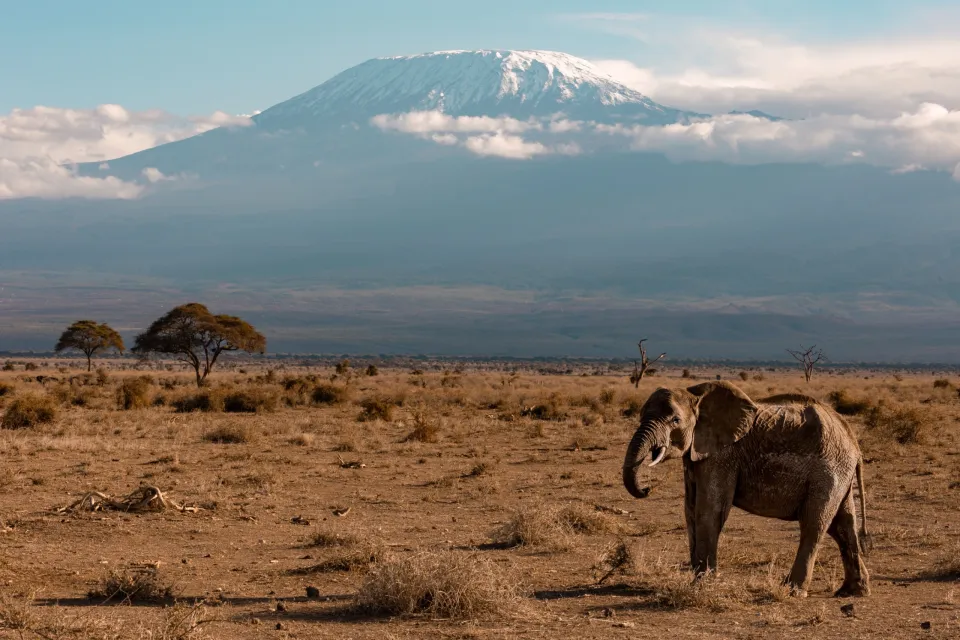
Six ways up Africa's highest mountain, 5,895 m. Choose a route on the map to see how many days it takes, where you sleep and how high you climb.

Lemosho Machame Marangu Rongai Northern Circuit Umbwe

Diagram, not to scale. Solid line: the way up. Dashed line: the way down.

Lemosho

The quiet western approach across the Shira Plateau

Days
7–8 days
Sleep in
Tents
Difficulty
Challenging
Acclimatisation
Excellent

Best for: First-time climbers who can give it eight days and want the best views.

Price on request, park fees included

Height
5,895 m (19,341 ft)
Summit
Uhuru Peak, on the Kibo crater rim
First recorded ascent
1889, Hans Meyer and Ludwig Purtscheller with guide Yohani Lauwo
National park since
1973, UNESCO World Heritage Site since 1987
Climate zones
5, from rainforest to arctic summit
Summit night
about −7 to −20 °C with wind
Minimum age
10 years (park rule for the summit)

Compare the routes

More days on the mountain means more time for your body to adjust to the altitude, and a better chance of reaching the top.

Route Days Sleep in Approach Acclimatisation Crowds Scenery Difficulty From
Lemosho 7–8 days Tents West Excellent Quiet Outstanding Challenging On request
Machame 6–7 days Tents South-west Good Busy Very good Challenging On request
Marangu 5–6 days Mountain huts South-east Fair Moderate Good Moderate On request
Rongai 6–7 days Tents North Good Quiet Good Moderate On request
Northern Circuit 9 days Tents West and north Excellent Quiet Outstanding Challenging On request
Umbwe 6–7 days Tents South Fair Quiet Very good Very challenging On request

Are you fit enough? Check in two minutes

Answer a few questions about your fitness and experience. You get an honest picture of how ready you are, how many days to choose and what to work on.

1How far can you run or jog without stopping?
2What is the longest hike you have done in one day?
3How often do you exercise?
4Can you walk up stairs for 30 minutes carrying a 5 kg backpack?
5Have you been above 3,500 m before?
6How old are you?
7Do you have a heart, lung or blood pressure condition?
8Height and weight optional
0%7 questions to goSee result

This check is a guide to how prepared you are. It is not a medical test and does not predict whether you reach the summit: altitude affects fit and less fit people alike. If you have a health condition, talk to your doctor first.

Can I climb Kilimanjaro?

Most reasonably fit people can. You do not need ropes or climbing skills. What decides success is how your body copes with the altitude, and that depends mostly on how many days you give it.

Experience
None needed. The standard routes are steep walking trails. Only short sections, such as the Barranco Wall, need your hands for balance.
Fitness
You walk 4 to 8 hours a day for a week, and 12 to 15 hours on summit day. If you can hike 10 km with hills and feel fine the next morning, you have a good base.
Altitude
This is the real challenge. Above 3,000 m the air holds less oxygen, and everyone feels it to some degree. More days on the mountain is the single best way to reach the top safely.
Age
The park allows climbers from 10 years old to the summit; there is no upper age limit. Climbers under 18 come with a parent or guardian.
Health
If you have a heart, lung or blood pressure condition, diabetes, or are pregnant, see your doctor before you book and tell us so your guide knows.
Summit night
The hardest part: about 1,200 m up in the cold and dark on loose scree, then a long walk down. It is a test of patience more than strength.

A 12-week training plan

Start three months before your climb. The goal is not speed: it is walking uphill for hours with a pack, and feeling fine the next day.

  1. Weeks 1–4

    Build a base

    Three or four sessions a week of 30 to 45 minutes: brisk walking, cycling, swimming or easy jogging. One longer walk of 2 hours at the weekend.

  2. Weeks 5–8

    Add hills and weight

    Hike hills or climb stairs with a 5 to 7 kg daypack. Weekend hikes of 3 to 5 hours. Add leg and core strength work twice a week: squats, lunges, step-ups, planks.

  3. Weeks 9–11

    Long days back to back

    Two long hikes on consecutive days, 5 to 7 hours each, in the boots and with the daypack you will use on the mountain. This is the closest thing to climbing Kilimanjaro.

  4. Week 12

    Rest and get ready

    Short, easy walks only. Sleep well, check your gear, and arrive rested rather than tired.

Park fees are included in every price

Every climb on Kilimanjaro pays fees to Tanzania National Parks. Our prices already include them, so the price you see covers the climb, the fees and the crew.

Conservation feeper climber, for every day inside the park
US$70 a day
Camping or hut feetents on most routes, huts on Marangu
US$50–60 a night
Rescue feeonce per climb
US$20
VATadded by the park to the fees above
18%

Park rates are set by Tanzania National Parks and can change. We confirm the exact amount in your quote.

Included

  • Park, camping or hut and rescue fees
  • Licensed mountain guides, cook and porters
  • All meals and drinking water on the mountain
  • Tents and sleeping mats (or hut beds on Marangu)
  • Transfers from Moshi or Arusha to the gate and back
  • Summit certificate

Not included

  • International flights and Tanzania visa
  • Travel insurance that covers trekking to 6,000 m
  • Hotel nights before and after the climb
  • Tips for the mountain crew
  • Sleeping bag and personal gear (can be hired)

What your climb pays for

A Kilimanjaro climb is mostly people and park fees. This is where the money goes.

Park fees
The biggest single part. They pay for every day and night you spend in the national park, plus the rescue service.
Your crew
Guides, a cook and porters, paid fair wages, fed and equipped for the cold. A typical climb needs three or four crew members for every climber.
Food and water
Three cooked meals a day, snacks and safe drinking water, carried up from the gate.
Camp and safety gear
Tents, mess tent, sleeping mats, emergency oxygen, oximeter and first aid kit.
Transport
Transfers from your hotel to the gate and back after the climb.

What changes the price

  • Number of days: every extra day adds park fees and crew wages
  • Group size: costs per person fall when more climbers share a crew
  • Route: Marangu uses huts; Lemosho and the Northern Circuit need a longer drive to the gate
  • Hotel nights, gear hire and a safari or Zanzibar stay after the climb

Tipping the crew

Tips are a large part of what the mountain crew earn, and are given at the end of the climb. These are typical amounts per day for the whole group, not per climber.

Lead guideUS$20–25 a day
Assistant guideUS$15–20 a day
CookUS$12–15 a day
PorterUS$8–10 a day each

We send the exact suggested amounts for your group with your quote.

How we look after you on the mountain

Altitude is the real challenge on Kilimanjaro, not the walking. This is what we do on every climb.

  • Oxygen and daily health checks

    We carry emergency oxygen on every climb, and your guide checks your oxygen level and pulse with an oximeter every morning and evening.

  • Guides trained in first response

    Our mountain guides hold Wilderness First Responder (or similar) medical training, so they know the signs of altitude sickness and what to do.

  • Fair treatment of porters

    We are a partner of the Kilimanjaro Porters Assistance Project (KPAP), which checks that porters are paid fairly, fed, equipped and not overloaded.

Altitude sickness: know the signs

Above about 3,000 m there is less oxygen in each breath. Most climbers feel some mild symptoms; they usually pass as your body adjusts. Knowing the signs keeps you safe.

Mild: common, usually passes

  • Headache
  • Nausea or loss of appetite
  • Tiredness
  • Poor sleep
  • Light dizziness
  • Shortness of breath when walking

Tell your guide, rest, drink and slow down.

Serious: go down now

  • Confusion, unusual behaviour or slurred speech
  • Loss of balance or coordination
  • Severe headache that painkillers do not ease
  • Breathless even when resting
  • Wet cough, gurgling breath or blue lips

These are signs of dangerous swelling of the brain or lungs. The treatment is to descend at once.

How to prevent it

  • Walk slowly: "pole pole" (slowly, slowly) is the rule on the mountain
  • Drink 3 to 4 litres of water a day
  • Climb high and sleep low: walk up in the afternoon, sleep lower down
  • Choose a route with more days
  • Eat even when you are not hungry
  • Tell your guide honestly how you feel, every day

What we do

  • Your guide checks your oxygen level and pulse every morning and evening
  • Mild symptoms: rest, water and a slower pace
  • Symptoms getting worse: the treatment is to go down, and a guide goes down with you
  • Emergency oxygen is carried on every climb

Ask your doctor about altitude medicine such as acetazolamide (Diamox) before you travel.

Five worlds on one mountain

In a few days you walk from farmland to glaciers. Each climate zone has its own plants, weather and clothing.

  1. 5,000–5,895 m−7 to −20 °C at night

    Arctic summit

    Ice fields, the crater rim and Uhuru Peak. Summit night is cold, dark and below freezing.

  2. 4,000–5,000 m0 to 10 °C, below freezing at night

    Alpine desert

    Rock and dust under a strong sun by day, frost at night. Little grows here.

  3. 2,800–4,000 m5 to 15 °C, near freezing at night

    Heath and moorland

    Giant heathers, groundsels and lobelias, and the first wide views. Nights turn cold.

  4. 1,800–2,800 m12 to 25 °C

    Rainforest

    Warm, damp and green, with colobus monkeys in the canopy. Often muddy underfoot.

  5. 800–1,800 m20 to 30 °C by day

    Farmland

    Coffee and banana farms on the lower slopes, where the drive to the gate ends.

When to climb

You can climb all year. The two dry seasons give the clearest views and the driest trails.

  1. Jan Best
  2. Feb Best
  3. Mar Good
  4. Apr Rainy
  5. May Rainy
  6. Jun Good
  7. Jul Best
  8. Aug Best
  9. Sep Best
  10. Oct Best
  11. Nov Rainy
  12. Dec Good

January to early March is quieter and a little warmer; July to October is the busiest season. In the rainy months the northern Rongai route stays drier.

  • Short dry season

    Mid December to early March

    Clear mornings, warmer days and fewer climbers than in the long dry season. A favourite time for the summit.

  • Long rains

    Mid March to May

    Heavy rain on the lower slopes and cloud higher up. Trails are muddy and quiet. Rongai, on the drier north side, is the best choice.

  • Long dry season

    Late June to October

    Dry, clear and cold at night. The most popular months, so camps are busier.

  • Short rains

    November to mid December

    Showers, often in the afternoon, with clear spells in between. Fewer people on the mountain.

A day on the mountain

Every day follows a simple rhythm, set by the light and the cold.

  1. Wake-up tea or coffee brought to your tent, and a bowl of warm water to wash
  2. Morning health check: oxygen level and pulse
  3. Hot breakfast in the mess tent
  4. Start walking, slowly, with short breaks for water and snacks
  5. Lunch on the trail or at the next camp
  6. Arrive at camp; your tent is already up. Tea, popcorn and rest
  7. Short walk higher up to help your body adjust, on some days
  8. Dinner, evening health check and a briefing on tomorrow
  9. Sleep: nights are cold, so a good sleeping bag matters

Summit night

The longest day of the climb: about 1,200 m up in the dark, then all the way down to a lower camp.

  1. Wake up, tea and biscuits, put on every warm layer
  2. Start climbing by head torch, very slowly, in a line behind your guide
  3. Reach the crater rim at Stella or Gilman's Point as the sky gets light
  4. Uhuru Peak, 5,895 m: photos at the sign, then start down
  5. Back at high camp for a rest and a meal
  6. Walk down to a lower camp, where the air feels thick again

Life on the mountain

What to expect from food, water, toilets and sleep.

Food
Your cook prepares three hot meals a day: porridge, eggs and fruit for breakfast, soups, rice, pasta, vegetables and meat or vegetarian dishes later. Tell us about any diet or allergy.
Drinking water
Collected from mountain streams and boiled or treated by the crew. Bring bottles for 3 litres; we fill them every morning and evening.
Toilets
Every camp has simple long-drop toilets. Ask us about a private toilet tent for your group.
Sleeping
Two climbers share a tent on the camping routes; Marangu has bunk beds in shared huts. Bring or hire a sleeping bag for −10 °C.
Washing
A bowl of warm water every morning and evening. There are no showers on the mountain, so wet wipes are your friend.
Charging and signal
There is no electricity on the mountain: bring a power bank. Phone signal is patchy; some high camps have a connection.

Who climbs with you

Your crew does far more than carry bags: they set up camp, cook, look after your health and get you to the top.

Lead guide
Licensed by the park and trained in first response. Sets the pace, checks your health twice a day and decides on summit night.
Assistant guides
Walk with the group so that every climber has a guide close by, and one can go down with anyone who needs to.
Cook
Plans and cooks every meal on the mountain, from the first lunch to the celebration dinner.
Porters
Carry the tents, food, water and your main bag between camps, and have camp ready when you arrive.
Camp crew
Bring tea and washing water, serve meals and look after the mess tent.

Getting there and travel essentials

Everything to sort out before you fly.

Arriving
Fly into Kilimanjaro International Airport (JRO). It is about 45 minutes by road to Moshi and an hour to Arusha. We meet you at the airport.
Visa
Most visitors need a Tanzania visa. Apply online through the official Tanzania eVisa website before you travel; allow a few weeks.
Vaccinations and health
You need a yellow fever certificate if you arrive from, or travel through, a country with yellow fever. Ask a travel clinic about other vaccinations and malaria tablets for the lowlands.
Travel insurance
Required. It must cover trekking up to 6,000 m, emergency evacuation including by helicopter, and medical treatment.
Money
US dollars are widely used for tips and extras. Bring notes printed after 2009; older notes are often refused. Cards work in towns, not on the mountain.
Before and after
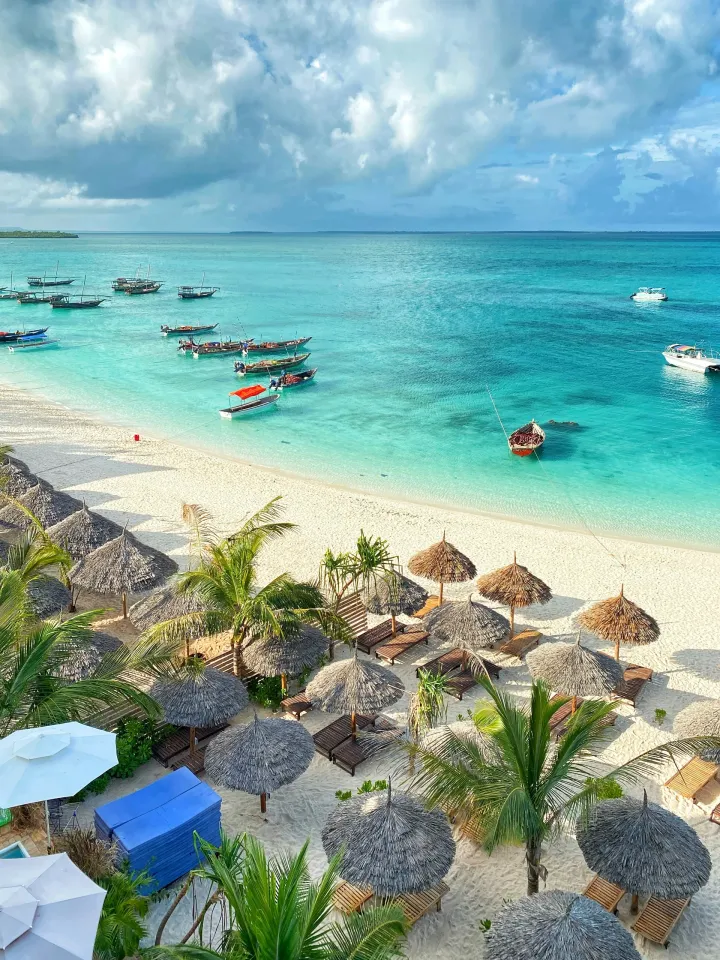
Plan a night in Moshi or Arusha before the climb for the gear check and briefing, and a night after to rest. Many climbers then add a safari or a few days on Zanzibar.

Every climb is planned around you

We plan every climb around your dates and group. Tell us which route you like and we will send a day-by-day plan with an all-in price.

Ask for a climb plan

What to pack

Porters carry your main bag of up to 15 kg. You carry a daypack with water, snacks, a warm layer and rain gear.

Clothing

  • Warm down or synthetic jacket
  • Waterproof jacket and trousers
  • Fleece mid-layer
  • Thermal base layers
  • Trekking trousers
  • Warm hat, sun hat and buff
  • Warm gloves and liner gloves

Feet

  • Broken-in waterproof hiking boots
  • Camp shoes or sandals
  • Wool hiking socks (4–5 pairs)
  • Gaiters

Gear

  • Sleeping bag rated to −10 °C (can be hired)
  • Daypack of 30–35 litres
  • Head torch and spare batteries
  • Trekking poles
  • Water bottles or bladder for 3 litres
  • Sunglasses with UV protection

Health

  • Sunscreen and lip balm
  • Personal medicines
  • Blister plasters
  • Hand sanitiser and wet wipes

How planning your climb works

From the first message to the summit certificate.

  1. Tell us your plans

    Your dates, how many of you are coming, the route you like and any questions. Not sure of the route? We help you choose.

  2. Get your day-by-day plan

    We reply with an itinerary and an all-in price, including park fees.

  3. Confirm and prepare

    Once you confirm, we send your packing list and answer every question while you train.

  4. Arrive and meet your guide

    We meet you at the airport. The evening before the climb your guide checks your gear and briefs you.

  5. Climb

    Your crew takes care of camp, food and your health, so you can focus on walking.

  6. Celebrate

    Summit certificate, a hot shower and a celebration. Then rest, or carry on to safari or the beach.

Questions climbers ask

Something else on your mind? Ask us and we will answer.

Do I need climbing experience?

No. The standard routes are steep walks, not rope climbs. You need to be fit enough to walk five to seven hours a day for several days, and on summit night for longer.

How many days should I choose?

As many as you can. Seven or eight days give your body time to adjust to the altitude and make reaching the summit much more likely than a five or six day climb.

Which route is easiest?

No route is easy, because the altitude is the same on all of them. Longer routes such as Lemosho and the Northern Circuit feel easier because they climb more slowly.

What is altitude sickness?

Headache, nausea and tiredness caused by thinner air. Walking slowly, drinking plenty and sleeping lower than you climb help. If symptoms get worse, the only cure is to go down, and your guide will decide when that is needed.

How cold does it get?

Days in the lower zones are warm. Nights get colder the higher you go, and on summit night it is usually −7 to −20 °C with wind. Good layers and a warm sleeping bag make all the difference.

Can children climb Kilimanjaro?

Children from 10 years old may climb to the summit under park rules, with a parent or guardian. For younger children we can plan a day hike or a lower trek.

What happens if I cannot continue?

A guide goes down with you while the rest of the group carries on. Going down is the treatment for altitude sickness, and you usually feel better quickly.

Can I rent gear?

Yes. Sleeping bags, jackets, poles and other gear can be hired in Moshi or Arusha. Tell us what you need with your enquiry.

Is there phone signal on the mountain?

In places. Some camps, especially higher up, have a signal, but do not count on it. There is no electricity, so bring a power bank.

Can I combine the climb with a safari?

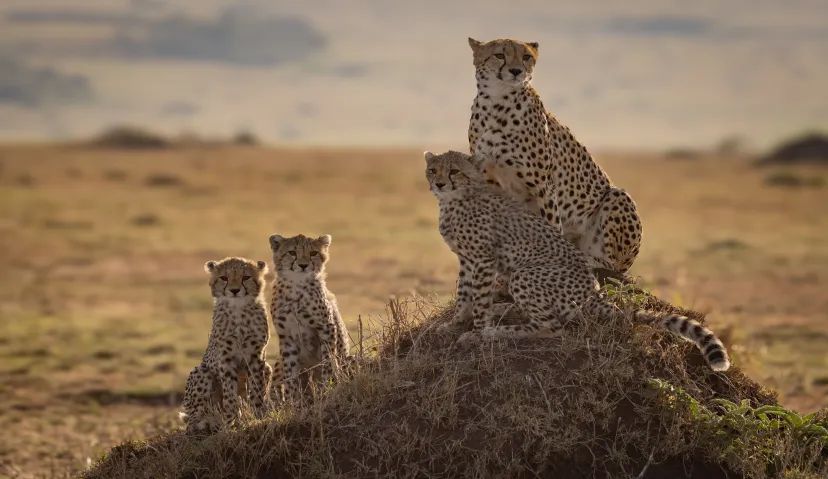
Yes. Many climbers rest for a night after the descent and then join a safari in Tarangire, Ngorongoro or the Serengeti. Ask us and we will plan both together.

How much should I tip the crew?

Tips are a big part of the crew's income. We send a suggested amount per guide, cook and porter with your quote so you can plan for it.

Do I need travel insurance?

Yes. It must cover trekking to 6,000 m and emergency evacuation, including by helicopter.
Plan your climb with us

Tell us your dates, how many of you are coming and which route you like. We reply with a day-by-day plan and an all-in price.

Watoto wa Bingwa

watotowabingwasafaris.com

Install Progressive Web Application

This site has app functionality. Install it on your device for extensive experience and easy access.