
 Mountain Trekking
Mount Kilimanjaro National Park
7-Day Kilimanjaro Lemosho Route
The Lemosho Route begins on Kilimanjaro’s western side, where the first hiking days unfold under a canopy of montane for...
From $1,750 per adult
Loading

Kilimanjaro, Northern Zone, Tanzania, Moshi
From $1,500 per adult
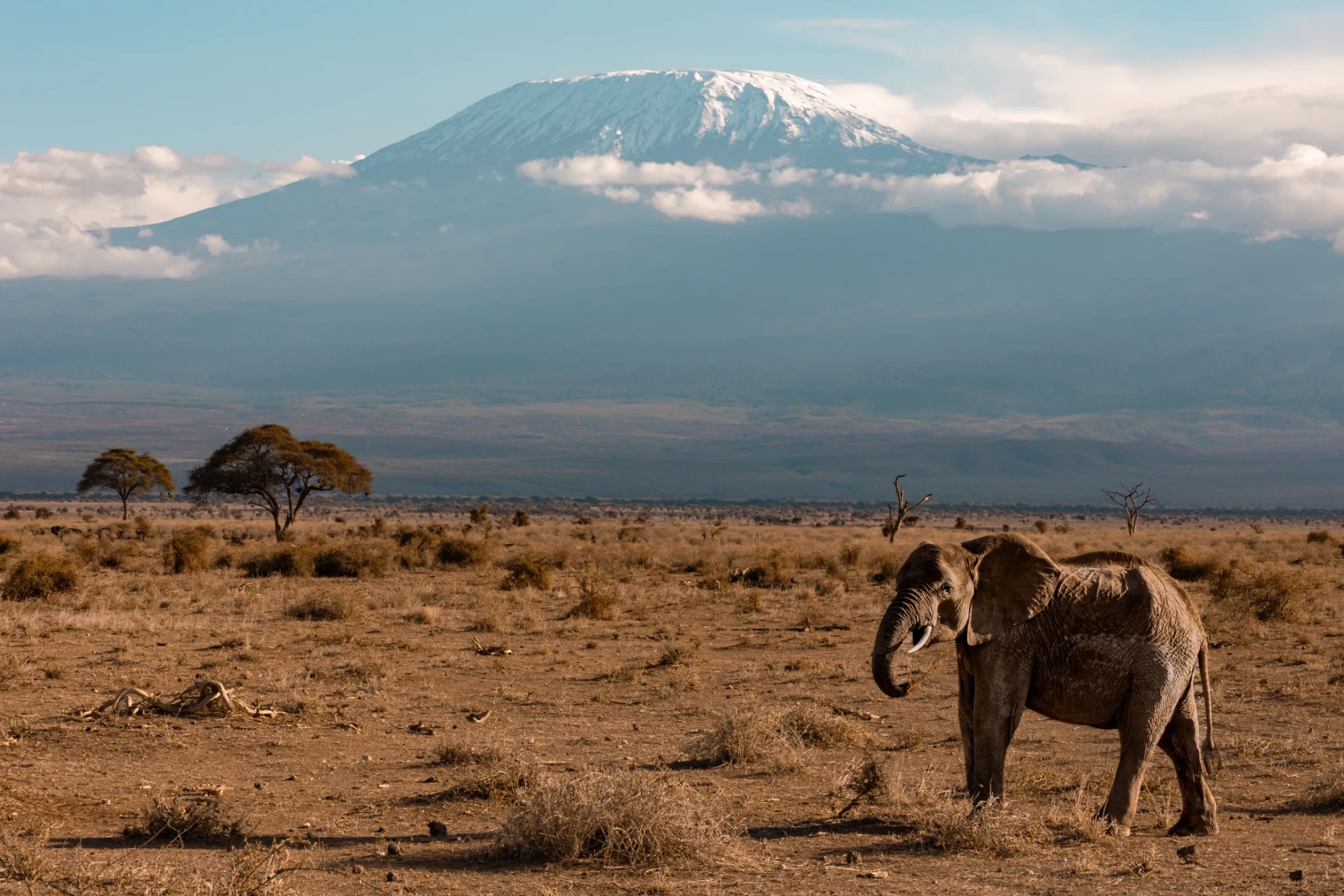
The six-day Marangu Route takes you up Kilimanjaro’s eastern slopes, from green mountain forest to the wide moorland above Horombo and the bare alpine landscapes surrounding Kibo. Unlike the camping routes, Marangu uses established mountain huts, giving walkers a roof over their heads at the end of each demanding day. That practical difference makes it attractive to guests who prefer hut accommodation, but it does not make the altitude or summit night easy.
Your climb begins at Marangu Gate. The trail winds through humid rainforest to Mandara Hut, then climbs into the heather and open moorland around Horombo Hut. From there, the journey continues across the broad saddle between Kibo and Mawenzi to Kibo Hut, the launch point for the overnight summit attempt. Reaching the crater rim before sunrise is a memorable experience, and the final path to Uhuru Peak offers the possibility of standing on the highest point in Africa. After the ascent, you retrace the mountain to the gate, where your vehicle takes you back to Arusha.
Marangu’s shorter itineraries require serious attention to acclimatization. The source document describes a six-day programme but contains a conflict in its post-summit Day 5 notes; the correct night sequence must be confirmed with the climbing operations team. This rewritten draft therefore marks the disputed detail explicitly rather than treating it as approved logistics.
Marangu is often described as a comfortable route because of its huts, but hut accommodation does not reduce the physiological risk of altitude illness. On a short ascent schedule, gradual pacing and active health monitoring are especially important. Guides should assess symptoms throughout the journey and make descent decisions whenever necessary. Travellers should discuss medical suitability with a qualified clinician before attempting a high-altitude climb.
Weather, trail conditions and park instructions may change daily walking plans. Summit timing, hut arrangements and achievable walking distances should be confirmed by the trekking team and treated as indicative until the booking is finalized.
On this route
Your adventure begins with collection from your accommodation in Arusha and a road transfer toward Marangu Gate on the southeastern side of Kilimanjaro. At the park entrance, your mountain team completes registration and prepares the equipment before you begin your first walk. The pace is deliberately steady: this is your introduction to the terrain, the guide’s rhythm and the daily routine that will become familiar over the coming days.
From the gate, the trail enters a lush rainforest where giant trees, mosses and dense vegetation create a cool, green corridor. The ground may be damp or slippery, particularly after rain, and your guide will encourage short, regular breaks to keep the group comfortable. As you gain elevation, the forest opens in places to reveal the mountain’s lower slopes. Depending on weather, time and group condition, an optional short walk toward Maundi Crater may be discussed after you reach camp.
Mandara Hut is your first overnight stop. Settle into the hut, enjoy a warm meal and review the following day’s walking plan. The first evening is also an opportunity to discuss hydration, footwear, layers and any early symptoms of altitude discomfort with your guide.
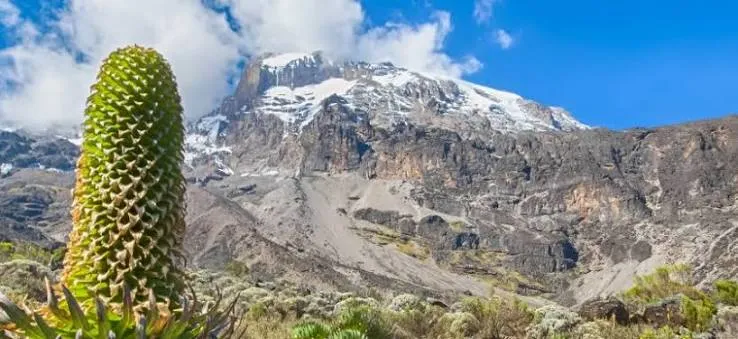
After breakfast you leave the enclosed rainforest and gradually climb into more open heathland and moorland. Shrubs replace the tall trees, the sky begins to feel wider, and clear weather can reveal the striking outline of Kibo above the route. The change in vegetation makes this one of the clearest examples of Kilimanjaro’s distinct ecological zones.
The trail gains altitude steadily, with time for water, photographs and short breaks along the way. You may feel the thinner air as you approach Horombo. Your guide should keep the pace manageable and watch how everyone is adjusting. Even if you feel energetic, conserving effort and eating well will matter more than walking quickly.
At Horombo Hut, take time to rest and enjoy the views. The original programme mentions that guests can add an acclimatization day here, but that would change the duration and price; it is not part of the six-day schedule as supplied. If you have concerns about altitude, discuss a longer Marangu programme before booking rather than assuming an extra day is included.
The landscape becomes increasingly spare as you walk beyond Horombo. Heathland gradually gives way to a high, exposed expanse, and the saddle between Mawenzi and Kibo stretches ahead. The mountain feels different here: fewer plants, colder wind and the immense volcanic slopes of Kibo drawing closer with every step.
Today’s objective is Kibo Hut, where you prepare for the summit attempt. The walking is not technically complex on the standard trail, but the altitude demands respect. Drink regularly, stay close to your guide’s pacing instructions and report headaches, nausea, dizziness or unusual fatigue rather than pushing through them. The team will explain the summit-night departure plan and check that your headlamp, warm layers, gloves and water are ready.
You will normally eat and rest early at Kibo Hut because the summit push begins around midnight. Rest can be difficult at this altitude, so focus on staying warm and keeping energy for the long night ahead.
Summit day starts in the dark. Equipped with headlamps and your warmest mountain clothing, you leave Kibo Hut and climb toward the crater rim at a slow, measured pace. The slope is steep, the air is thin and the temperature can be extremely cold. This is usually the toughest part of the expedition; progress is determined by conditions and by how well each member of the group is acclimatizing.
Your route aims first for Gilman’s Point on the crater rim. If conditions and your guide’s assessment allow, you continue along the rim toward Uhuru Peak at 5,895 metres. The rising light may reveal the volcanic landscape and surrounding peaks, but summit views are weather-dependent. Reaching the top is never guaranteed, and your safety takes priority over a summit photograph.
After your time on the rim or summit, descend carefully toward Kibo Hut, where you may pause for food and a brief rest before continuing down to Horombo Hut. Descending a large amount of altitude after the summit makes this a long, physically demanding day. Expect tired legs, loose ground and the need for patience even after the highest point is behind you.
The company’s source document labels Day 5 “Horombo – Mandara,” but the paragraph beneath it describes travelling back to Kibo Hut and then returning to Horombo. This does not form a coherent post-summit descent, especially because Day 4 already brings trekkers back to Horombo and Day 6 again starts from Horombo. The document also describes a six-day / five-night trek without a reliable overnight stop for this day.
A publishable guest itinerary must not invent the missing section. The operations team needs to confirm whether Day 5 is a separate acclimatization day scheduled earlier, whether the Day 4/5 descriptions have been shifted, or whether this should be a different total-duration product. Until corrected, Day 5 should remain an internal review placeholder, not customer-facing copy.
Possible final wording and activities will be written after the actual guide-approved overnight sequence and hiking distances are confirmed.
The final walking stage descends through the moorland and back into the humid mountain forest. The air grows warmer as you lose elevation, and the vegetation becomes thicker around the trail. Your legs may still be tired from summit day, so trekking poles and a deliberate pace can make the descent more comfortable, particularly on wet steps or muddy stretches.
At Marangu Gate, your mountain party completes the park exit process. Where applicable, successful summit and crater-rim achievements are recorded and certificates handled through the park’s procedures. After saying goodbye to the mountain team, you travel by vehicle back to Arusha. The journey ends with time to shower, rest and reflect on the achievement, whether you reached Uhuru Peak or turned back earlier for safety.
No payment is taken online. We confirm availability, the children's ages and the final price with you.
5/5 Excellent fit
4/5 Very good fit
4/5 Very good fit
1 – 15 travellers
6 Days
Jan – Feb, Jun – Oct
Children aged 4 and under travel free. Add each child's age in the price calculator and we confirm the ages when you book.
Mountain Trekking
Climb in the two dry windows: January to March and June to October.
More about Mount Kilimanjaro National Park
Born and raised near the Serengeti, Juma has over a decade of field experience guiding international travelers across the Northern Safari Circuit. He is an expert tracker with deep knowledge of animal behavior, birding, and African ecology
No reviews yet for this tour. Travelled with us? Add yours below.
• Full-board accommodation during the climb; • Transport identified in the original programme; • Professional mountain guides and porters; • Kilimanjaro park entrance and rescue fees; and more. See the full list above.
• International and domestic flights; • Visa costs; • Personal purchases, additional drinks, telephone and laundry; • Tips for guides and porters.
This tour runs with 1 – 15 travellers.
The best months for Mount Kilimanjaro National Park are Jan – Feb, Jun – Oct. Climb in the two dry windows: January to March and June to October.
The usual Marangu climbing programme stays in mountain huts rather than camping tents. Exact hut and bed arrangements are subject to the confirmed booking.
A six-day programme is relatively short for reaching high altitude. It can be demanding, and some climbers benefit from additional acclimatization time. Discuss route duration with the operator and a medical professional.
The standard Marangu trail is primarily a strenuous high-altitude hike rather than a technical mountaineering ascent, but steep, cold summit conditions require strong preparation and good judgement.
Tell your guide immediately. A guide may slow the pace, stop the climb or require descent based on symptoms and safety.
Send an enquiry with your dates and the number of travellers. Our team confirms availability and the final price. No payment is taken online.
Yes. Download the sample quote for an indicative price, then send an enquiry for your own.
Mountain Trekking
Mount Kilimanjaro National Park
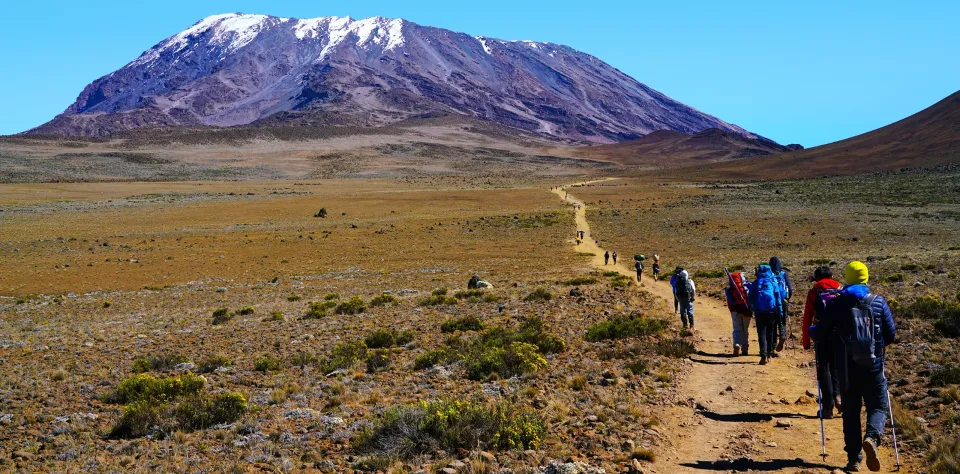
The Lemosho Route begins on Kilimanjaro’s western side, where the first hiking days unfold under a canopy of montane for...
From $1,750 per adult
 Mountain Trekking
Mount Kilimanjaro National Park
changes in scenery along the climb. In seven days, you pass through dense montane forest, open moorland, volcanic ridges...
From $2,500 per adult
 Mountain Trekking
Arusha National Park
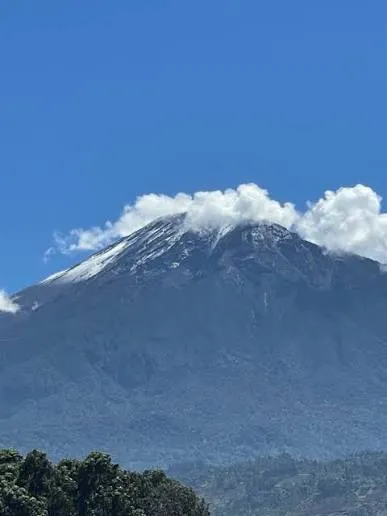
Mount Meru rises above Arusha National Park and rewards hikers with a striking combination of wildlife-rich lower slopes...
From $1,500 per adult
From $1,500 per adult
6 Days · 1 – 15 travellers

watotowabingwasafaris.com
Install Progressive Web Application
This site has app functionality. Install it on your device for extensive experience and easy access.