
 Mountain Trekking
Mount Kilimanjaro National Park
6-Day Kilimanjaro Marangu Route
Tour overviewThe six-day Marangu Route takes you up Kilimanjaro’s eastern slopes, from green mountain forest to the wide...
From $1,500 per adult
Loading

Kilimanjaro, Northern Zone, Tanzania, Moshi
From $2,500 per adult
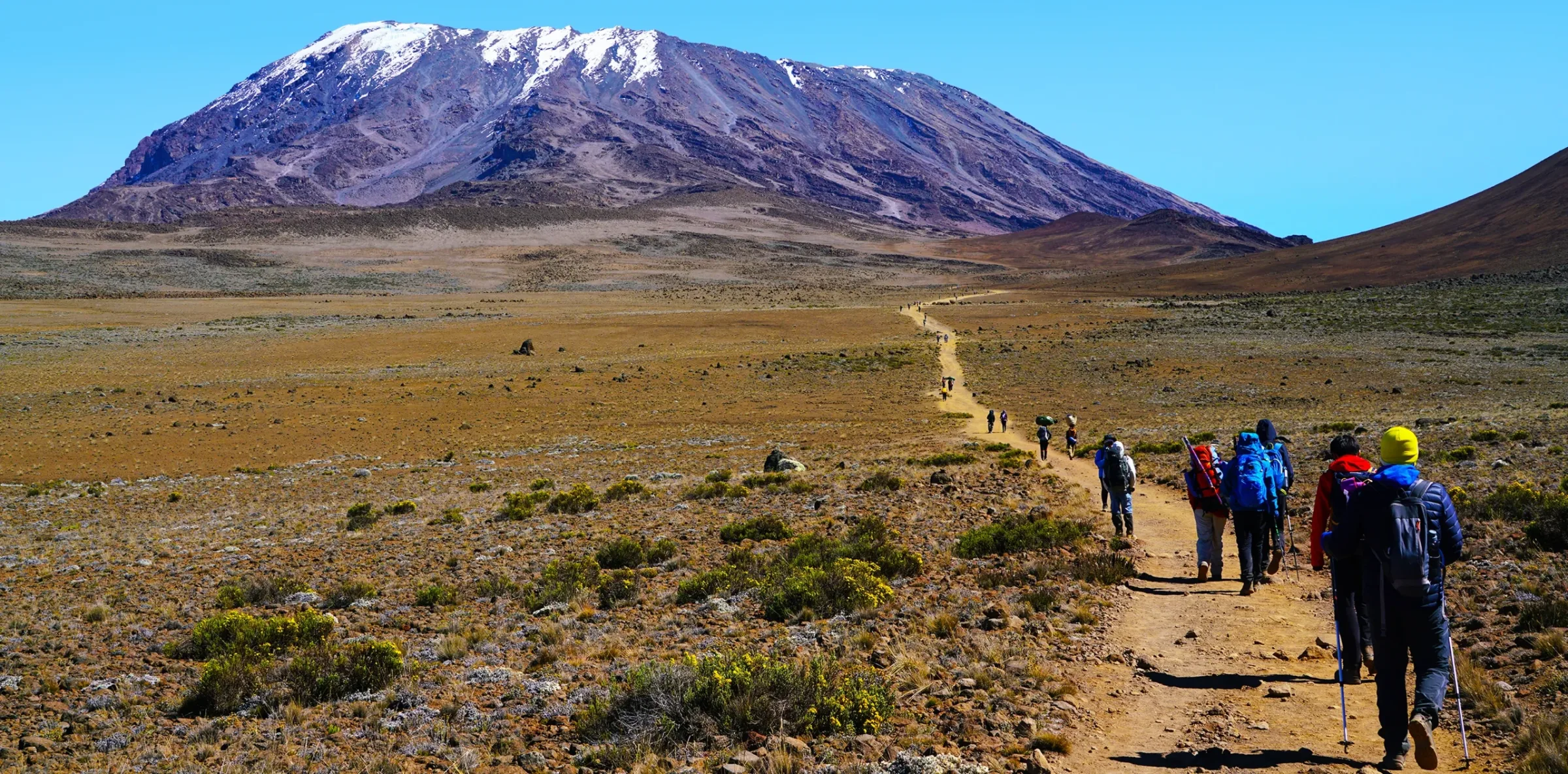
changes in scenery along the climb. In seven days, you pass through dense montane forest, open moorland, volcanic ridges and the stark upper alpine desert before attempting the summit under the night sky. The route descends via the Mweka Trail, giving climbers a different perspective on the mountain during the return.
This itinerary is designed to make room for acclimatization rather than rushing directly toward the summit. You cross the Shira Plateau, climb high toward Lava Tower and descend to Barranco, then stay at Karanga before moving to the higher Barafu summit camp. This climb-high, sleep-low pattern is a useful element of altitude planning, but it does not remove the risk of acute mountain sickness.
Expect early mornings, variable weather, limited washing facilities and nights in mountain tents. Weather, park requirements, porter logistics, trail conditions and each trekker’s health may change the daily schedule. Your guides will make decisions with safety as the priority
On this route
The adventure begins with breakfast in Arusha before your mountain team collects you and your luggage for the drive toward Machame on Kilimanjaro’s southern side. As the road rises toward the mountain, farms and village life give way to greener slopes. At the entrance gate, your guide handles park registration while the porters distribute equipment and prepare loads for the trek.
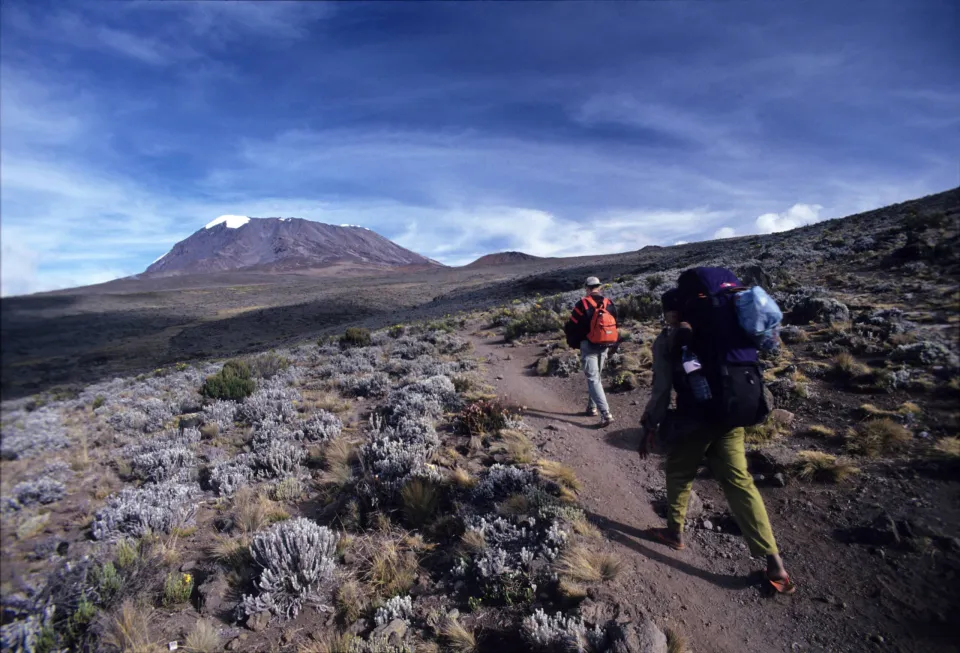
Once walking begins, the trail enters rich tropical forest. The air is often humid; branches and ferns crowd the path, and the ground can be slippery after rainfall. Rather than racing through this first stage, you settle into an unhurried pace and get used to walking with trekking poles and a daypack. Your guide sets a manageable rhythm and schedules rest and lunch breaks according to your group.
Watch for birds and, when fortunate, monkeys high in the trees. In wet weather the forest feels misty and atmospheric, making waterproof layers and properly fitted boots especially important. As you gain altitude, the tree cover gradually changes and temperatures can fall noticeably.
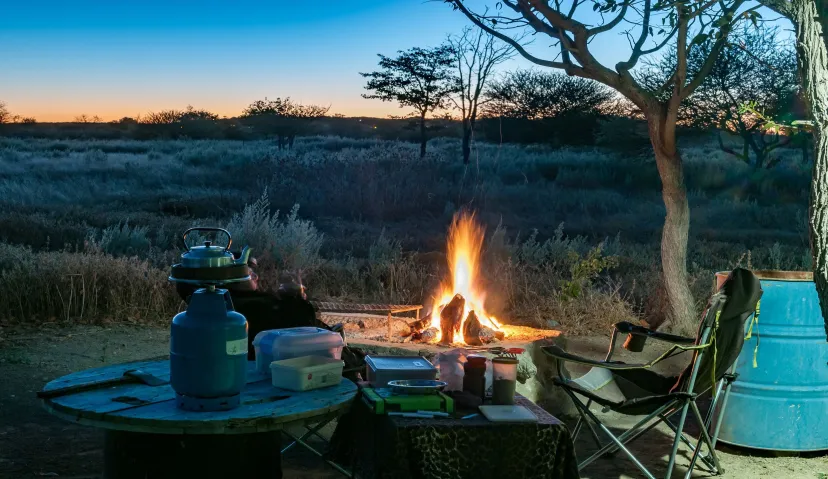
At Machame Camp, your support team will help you settle into your sleeping tents. The evening is a chance to change into dry clothes, enjoy a warm meal, refill water and check in with your guide about how you are adjusting. Sleep early: the next day climbs farther toward the plateau
After breakfast, leave the forest behind and follow a trail that steadily climbs onto more open terrain. Trees give way to heather, grasses and hardy mountain plants, and you begin to see how quickly Kilimanjaro changes character with altitude. The route includes rocky sections that may require careful foot placement, especially if the weather is damp.
As the trail approaches the Shira Plateau, there are increasingly broad views across the mountain and, on clear days, toward the Western Breach. Your team will maintain a steady, conservative pace. The climbing may not feel technically difficult, but thinner air can make ordinary uphill walking more tiring than at lower elevations.
Lunch and short breaks provide time to take photographs and adjust clothing. The open plateau is exposed to sun, wind and sudden shifts in cloud cover, so keep a warm layer and rain shell accessible even if the morning starts clear.
Arrive at Shira Camp with time to recover before dinner. The night can be very cold. Your guide may check oxygen saturation and discuss symptoms, but decisions should be based on the overall clinical picture rather than a single number. Rest, eat, drink sensibly and tell the guide promptly about persistent headache, nausea or unusual fatigue.
Today is an important acclimatization stage and one of the most visually memorable sections of the Machame Route. The trail crosses a rugged landscape where vegetation becomes sparse and volcanic rock dominates. You move gradually toward Lava Tower, a dramatic landmark high above the greener slopes.
As you climb, the altitude becomes more noticeable. The group should keep a pace at which breathing remains controlled, with regular stops to rest and assess how everyone feels. Weather can change quickly in this exposed environment, and a bright morning may turn windy or cloudy by midday.
Near Lava Tower, your team may pause for lunch if conditions allow. The day’s route then descends toward Barranco Valley. This is the well-known climb-high, sleep-low section: although you temporarily reach a higher elevation, you spend the night lower down. Your brochure incorrectly described the descent as 6,800 metres; this draft corrects that obvious unit/typing error but the exact measured elevation change should be checked.
The descent reveals a changing landscape of giant groundsels and the steep rock face of the Barranco Wall. Once at camp, take time to rest and prepare for the following day’s scramble. Your guide should assess every climber for altitude symptoms before the evening meal.
The morning begins beneath the impressive Barranco Wall. From camp the rock face can appear daunting, but the established trekking route uses a series of steep steps and short hands-on scrambling sections rather than technical mountaineering. Your guide will help manage the pace and spacing of the group, particularly where the path is narrow or crowded.
As you gain the upper edge of the wall, the reward is a sweeping view back across Barranco Valley and toward parts of the Southern Icefields on clear days. The trail then rises and falls through exposed alpine terrain, crossing smaller valleys on the way to Karanga.
Today is deliberately shorter than many earlier stages. It offers a useful chance to recover and continue acclimatizing before the higher Barafu Camp. You may notice that appetite decreases at altitude; even so, try to eat enough and communicate any problems with your guide.
At Karanga Camp, spend the afternoon taking it easy, checking equipment and adjusting your summit clothing plan. The extra overnight stop is an important difference between this seven-day route and more compressed versions of Machame.
After breakfast, continue uphill across the stark upper slopes to Barafu Camp. The landscape is now almost entirely rock and scree, with very limited vegetation. Although the day is shorter in distance, the higher altitude often makes walking feel slower and more demanding.
Barafu is the staging point for your summit attempt. The camp is exposed, and winds can be strong. Your team will help establish a secure campsite while your guide briefs you on the night ascent, layering, hydration, headlamp use and what to expect on the descent.
You will typically have an early meal and attempt to sleep before waking late in the evening or around midnight. Prepare your daypack in advance: keep snacks, water, gloves, insulated layers, waterproof shell and headlamp where you can reach them easily in the dark.
This is not a day to push through illness to keep a schedule. New or worsening altitude symptoms must be discussed with your guide; the safer choice may be to stop ascending or descend. The summit attempt is conditional on how the group is feeling and on the mountain’s conditions.
The summit attempt normally begins in darkness. After a warm drink and a final equipment check, you leave Barafu under the stars with your headlamp lighting the trail. This is the most strenuous part of the journey: the path rises through loose rock and scree, the air is thin and the temperature may be far below freezing.
Your guide will set a slow, steady rhythm, encouraging short steps and regular checks on the group. As you climb toward Stella Point on the crater rim, the horizon may begin to brighten. Reaching the rim is a milestone in itself, but it is still a demanding traverse to Uhuru Peak, and weather or a climber’s condition may make continuing unsafe.
If conditions permit, continue along the crater rim to Uhuru Peak, the highest point in Africa. There may be time for photographs and a brief pause, but prolonged stops at this elevation are rarely comfortable. Your guide will determine how long the group can remain safely.
The descent begins promptly, retracing the route toward Barafu. After a short break and food, continue downhill on the Mweka Trail toward camp. Tired legs, loose ground and fatigue make the return demanding in a different way from the ascent; trekking poles and deliberate foot placement are helpful. By the time you reach Mweka Camp, the air feels thicker and vegetation begins to return.
Celebrate the effort, whether or not every climber reached the summit. The mountain’s conditions and individual health always take priority over the goal.
Enjoy breakfast in camp and a final morning with your mountain team. The descent follows a forest trail that can be muddy and slippery, especially after rain. You will pass into increasingly lush vegetation as you lose altitude; the sounds of birds and the warmth of the lower slopes signal the return from the high mountain.
Your guide will help you complete the park exit procedures at Mweka Gate. Where applicable, summit certificates are issued according to the park’s current procedures and the highest qualifying point reached. The guide and support team may gather for a farewell moment before you leave the mountain.
After the hike, a vehicle transfers you back to Arusha. The rest of the day is usually reserved for a shower, food and rest. If you have an onward flight, discuss timing with the operations team in advance rather than assuming the descent and road transfer will fit a fixed early departure.
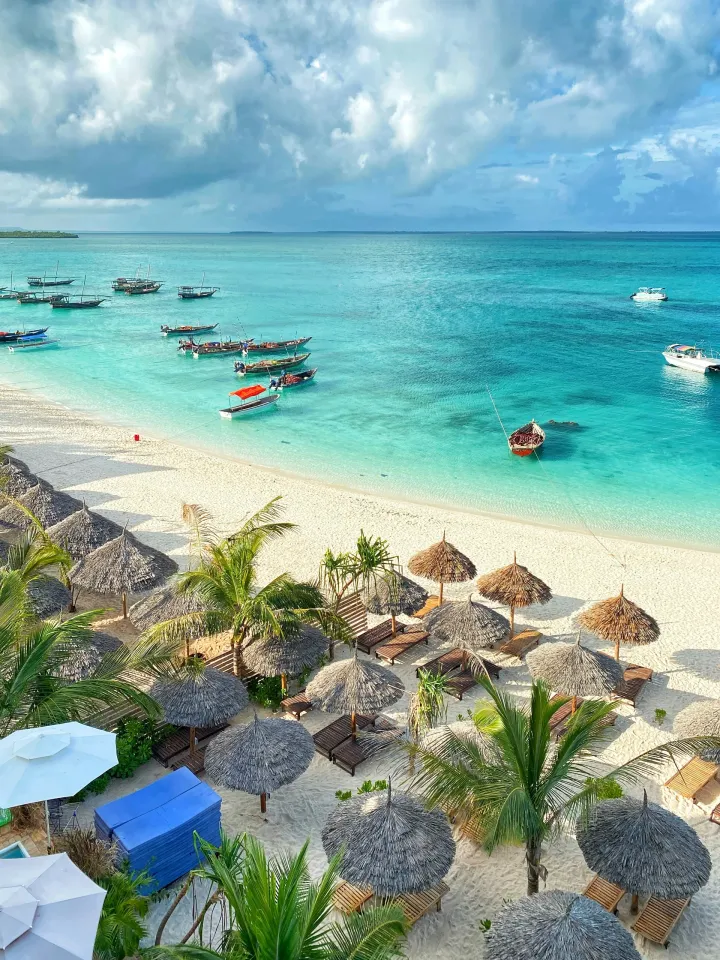
This concludes the seven trekking days on Machame Route. If you wish, you can plan a recovery day in Arusha or add a wildlife safari or Zanzibar extension in a separately confirmed package
No payment is taken online. We confirm availability, the children's ages and the final price with you.
Private or shared
Challenging
1 – 2 travellers
7Days
Jan – Feb, Jun – Oct
Children aged 4 and under travel free. Add each child's age in the price calculator and we confirm the ages when you book.
Mountain Trekking
Climb in the two dry windows: January to March and June to October.
More about Mount Kilimanjaro National Park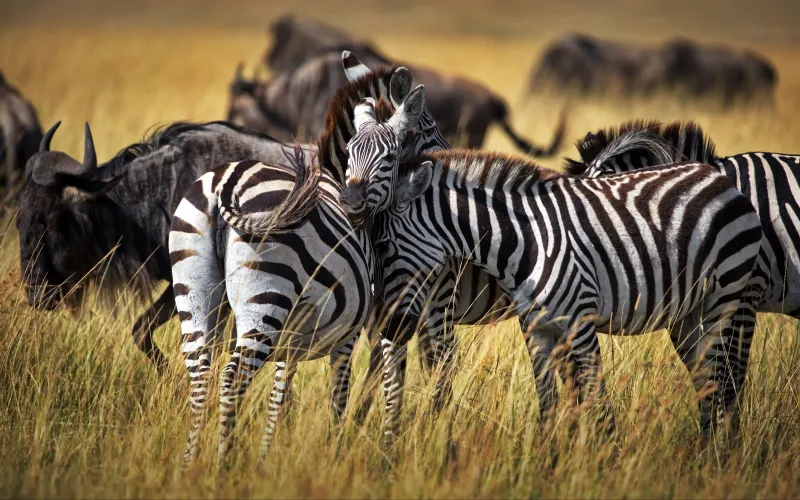
Born and raised near the Serengeti, Juma has over a decade of field experience guiding international travelers across the Northern Safari Circuit. He is an expert tracker with deep knowledge of animal behavior, birding, and African ecology
No reviews yet for this tour. Travelled with us? Add yours below.
• Mountain guide and crew services as confirmed in the quotation; • Mountain camping accommodation and meals during the trek; • Mountain transport to the trailhead and from the exit gate; • Park, camping and applicable rescue fees as specified in the quotation; and more. See the full list above.
• International and domestic flights; • Visa charges, travel and medical insurance; • Personal trekking clothing and equipment or rental fees; • Accommodation before or after the trek unless quoted; and more. See the full list above.
This tour runs with 1 – 2 travellers.
The best months for Mount Kilimanjaro National Park are Jan – Feb, Jun – Oct. Climb in the two dry windows: January to March and June to October.
Send an enquiry with your dates and the number of travellers. Our team confirms availability and the final price. No payment is taken online.
Yes. Download the sample quote for an indicative price, then send an enquiry for your own.
Mountain Trekking
Mount Kilimanjaro National Park
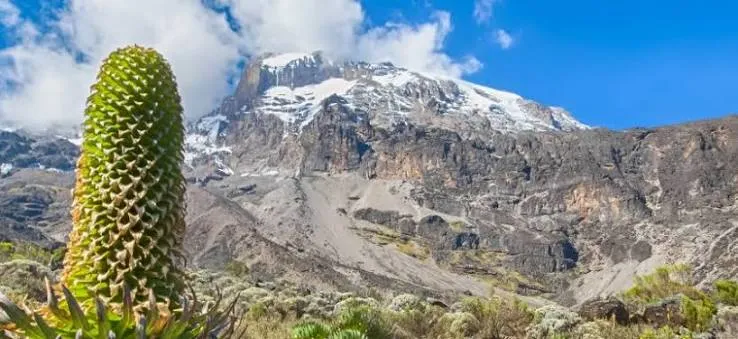
Tour overviewThe six-day Marangu Route takes you up Kilimanjaro’s eastern slopes, from green mountain forest to the wide...
From $1,500 per adult
 Mountain Trekking
Mount Kilimanjaro National Park
The Lemosho Route begins on Kilimanjaro’s western side, where the first hiking days unfold under a canopy of montane for...
From $1,750 per adult
 Mountain Trekking
Arusha National Park
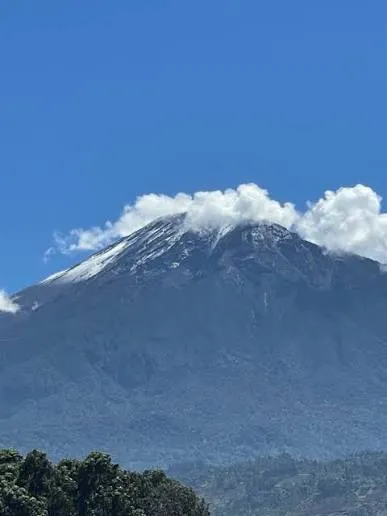
Mount Meru rises above Arusha National Park and rewards hikers with a striking combination of wildlife-rich lower slopes...
From $1,500 per adult
From $2,500 per adult
7Days · 1 – 2 travellers

watotowabingwasafaris.com
Install Progressive Web Application
This site has app functionality. Install it on your device for extensive experience and easy access.